
Pallet racking failure can cause a complete collapse onto a forklift or people working nearby, so let’s have a look at what you can do to prevent it.
Forklift operator
Make sure your operators have a current forklift licence and are familiar with the machine and its dimensions.
Ensure that the operator uses the horn when coming to the end of an aisle.
When lifting pallets, operators should ensure that forks don’t protrude through the other side of the pallet, as protruding forks can catch on the rack or other loads during lifting.
Stack the pallets evenly and square to the beams. Don’t drag the pallet across the beams.
Be aware that the leverage on the base of the racks increases the higher the load is placed.
The forklift
The pressure to optimise warehouse space can lead to some compromises. The space between the aisles must be sufficient for the forklift to approach and remove or place the pallet. Forklifts exist for narrow aisles and very narrow aisles (e.g. bendi-forklifts and turret trucks).
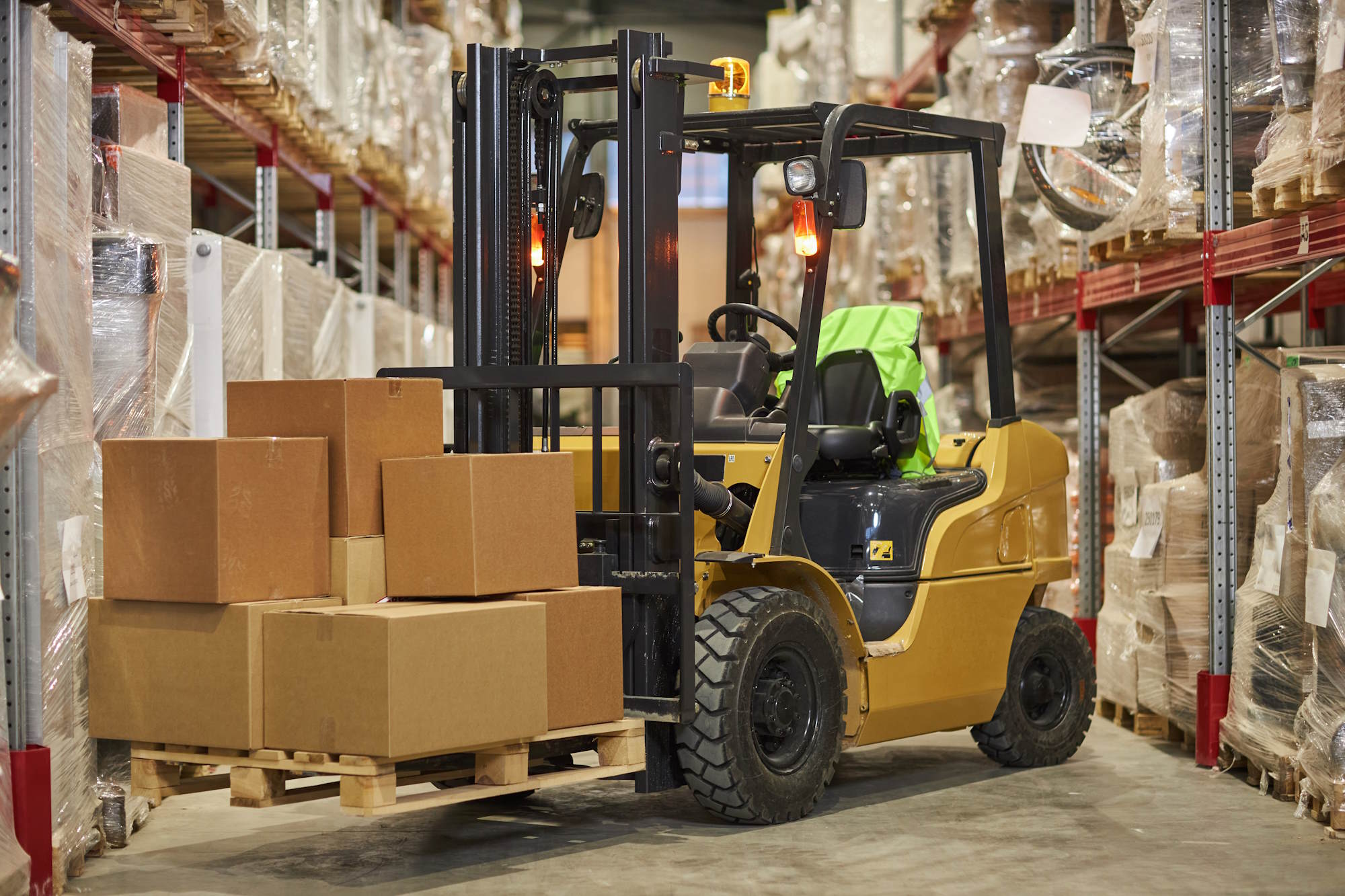
If you are moving your racks closer together, consider trading in a counterbalance for one that fits the aisle better.
The area
In areas where there’s a high risk of bumping into the rack, use barriers on the ground around the uprights and ends, and reflective tape on the beams. A forklift bumping into a main upright could collapse the whole rack.
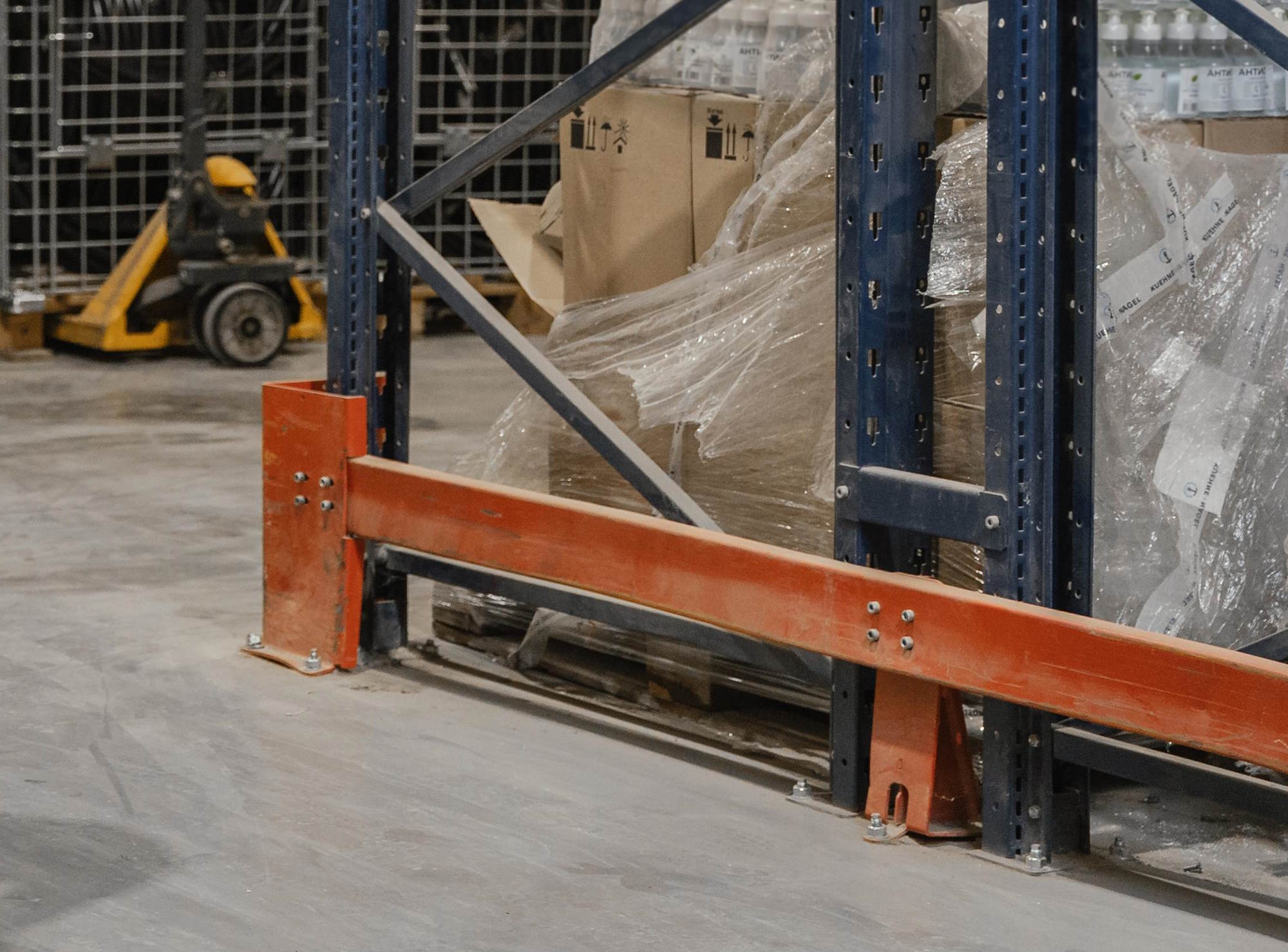
Racking must be installed correctly because the metal beams must support the weight of the pallet.
The racking should display the SWL (safe working load), plus any load configurations.
There should be no obstacles to the racking, such as overhead pipes, cables, light fittings, and doors. However, lighting must be adequate for the forklift operator to see what is happening on the highest racks.
The floor or surface must be able to take the weight of the rack when fully loaded.
Racking failure
Modifying the rack by cutting or welding, or changing the beam levels is likely to weaken the rack, invalidate any warranty and increase the potential for the rack to collapse.
Diagonal frame braces must be attached as per the manufacturer’s specifications, and the base plates should be screwed to the floor.
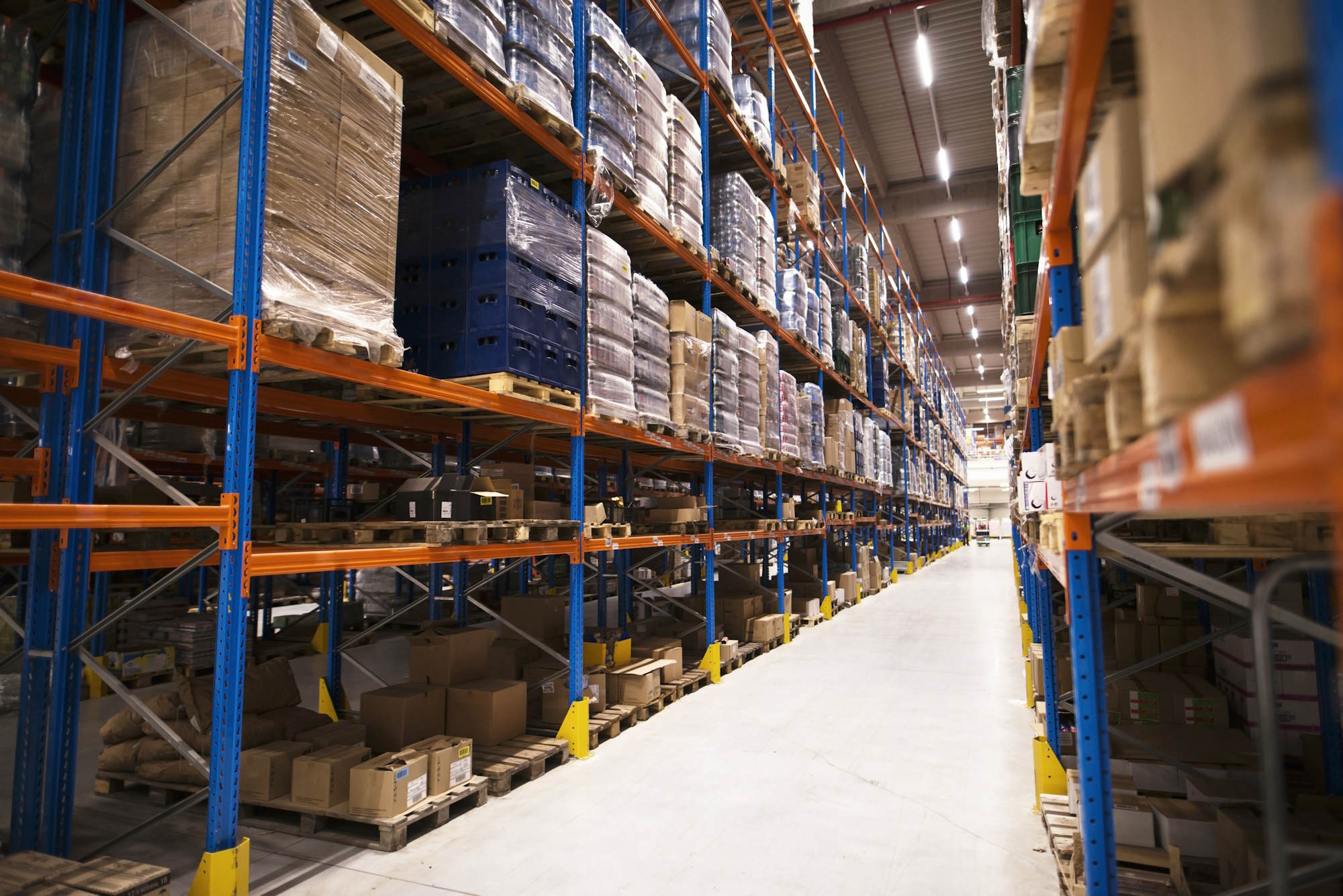
The rack is likely to fail if it is poorly designed (i.e. not enough strength for the loads) or incorrectly installed (e.g. components missing, bolts not tightened, etc).
If the rack is damaged due to a collision, it could compromise its strength, particularly if the uprights are dented or bent.
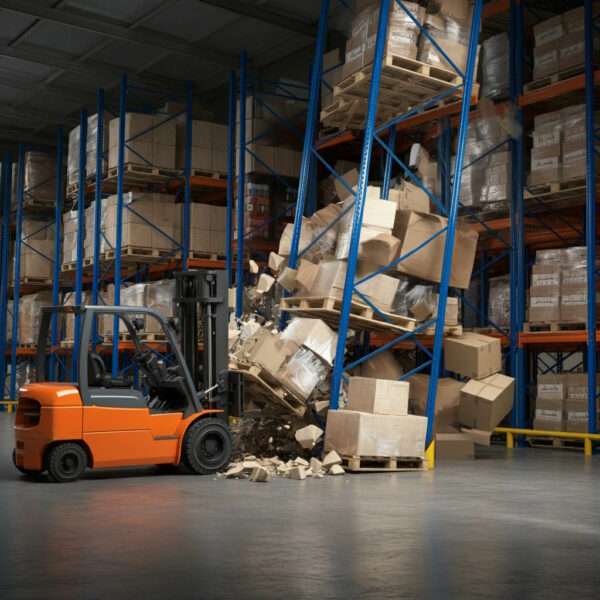
The pallets themselves must be in good condition as they will sit across the beams and must support the weight of the goods on them. They must stay together when lifted by the forklift. If the load collapses or it’s disturbed because of an earthquake, it can cause the pallet to fall.
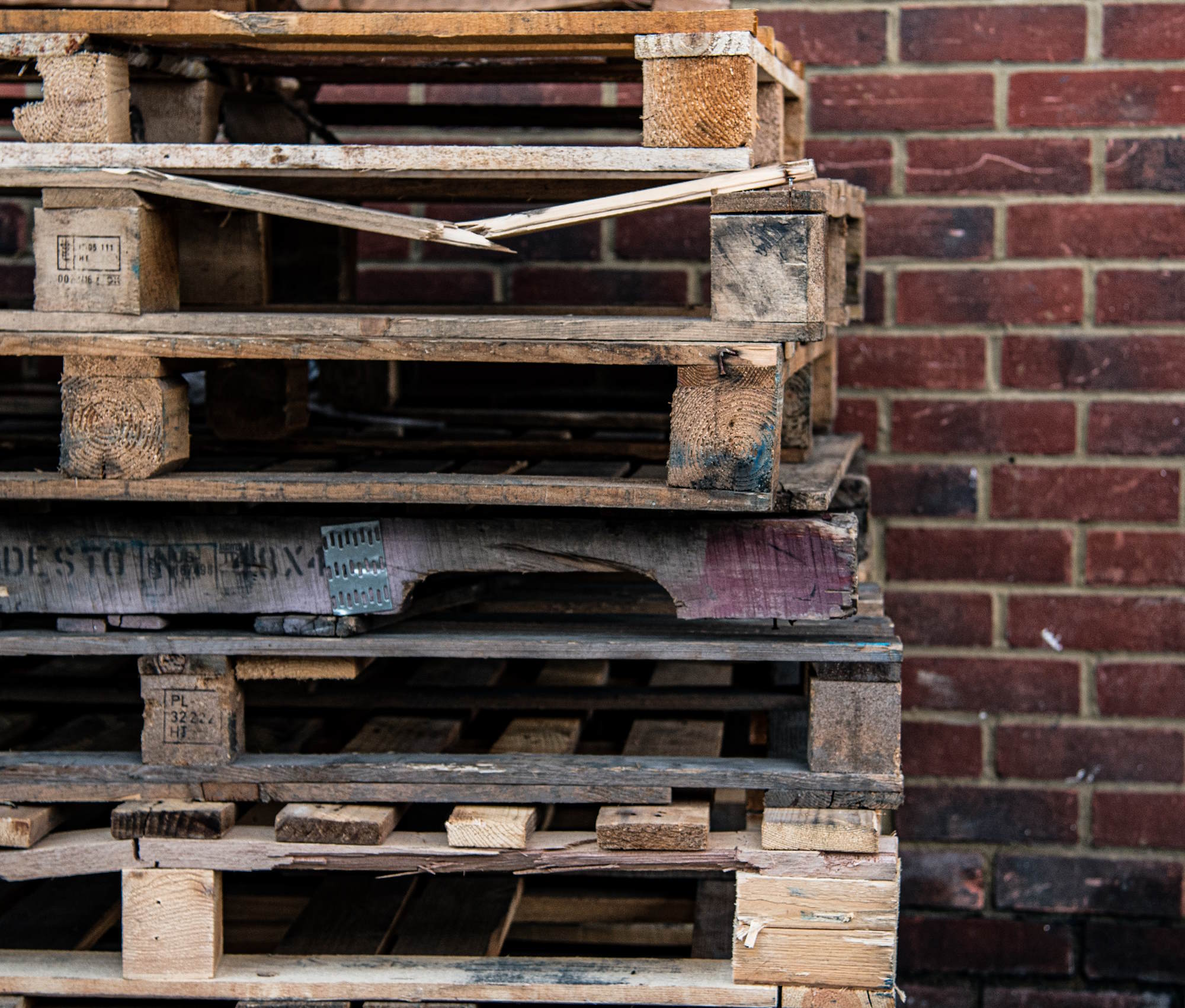
The right size of pallet must be used for the beam spacing.
Checking the racking
Supervisors should periodically check the racks to ensure they are not overloaded, and to check that bolts and locking pins have not come loose or are missing. Any damaged area should be taped off until it is fixed so that forklift operators do not load goods there.
The racking supplier should have supplied a user manual and a service logbook with maintenance schedules. Usually, a full inspection would be undertaken at least every 12 months. Consumables and other parts should be available to purchase at short notice, and information should be given about how to check and maintain the rack.


Darren has written over 3000 articles about driving and vehicles, plus almost 500 vehicle reviews and numerous driving courses. Connect with him on LinkedIn by clicking the name above
 Disqus