• A TR Group Site
  • Help
  • Cart
Driving Tests DT logo small
Driving tests
  • Learner licence
    • Car
    • Motorbike
    • Heavy vehicle
    • Learner Licence Plus
  • Courses
  • Tourist
  • Resources
  • Learn
  • Resources
  • Learner licence
    • Car
    • Motorbike
    • Heavy Vehicle
    • Learner Licence Plus
  • Your courses
    • Enrolled courses
  • View all courses
  • Tourist
  • Resources home
  • iOS application
  • Android application
  • Contact us
  • Terms and conditions
  • Privacy
  • Home
  • /
  • Resources
  • / Walkie Stacker / Electric Pallet Jack

Walkie Stacker / Electric Pallet Jack Resources

What are outriggers or straddle legs on a forklift or electric pallet jack?

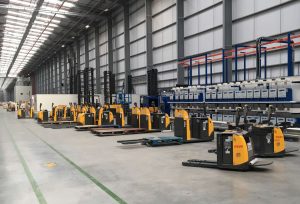
Outriggers are the two legs that extend forward from the base of a walkie stacker, reach truck, or stand-up counterbalance forklift. They run along either side of where the load sits. They’re sometimes called straddle legs or stabilising legs. The…
Read more ›

How manual handling creates risks for drivers and machine operators

The importance of manual handling safety is often discussed in the context of the farming, healthcare and construction sectors. However, it’s equally critical to address the risks faced by truck drivers and machine operators, such as forklift operators. These professions…

Read more ›

Types of pallet jack accidents, with examples

There are five main types of pallet jack operation that causes damage or injuries to freight or operators: The risks can be reduced by ensuring your team has had electric pallet jack training and manual handling training. Incidents caused by…

Read more ›

Where should you park your pallet jack so it’s in a safe place?

At the end of a shift, a pallet jack operator should make sure the pallet jack is placed in a safe area. If it’s an electric walkie, keys should be stored in a safe place. They can be a hazard…

Read more ›

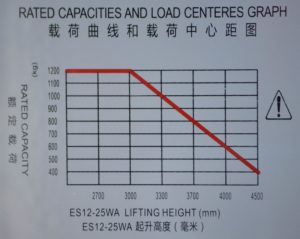
How to read a pallet jack load chart to ensure safe loading

Electric and manual pallet jacks have a load rating, just like forklifts. It’s essential that your operators understand how to read them and that they make sure in their pre-operation inspections that the load plate is present and readable. Every…

Read more ›

Pallet jack operator safety

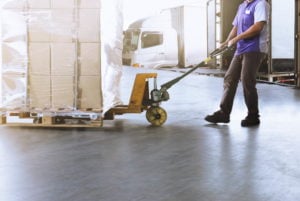
Pallet jack operators, whether it’s an electric pallet jack or a manual one, can move up to two tonnes at a time and, like any humans, they look for shortcuts. These might not be ‘best practice’, though, so we have…

Read more ›

Identifying risks for walkie and pallet jack operators

Almost all pallet jack operators will be using the equipment on relatively flat, level ground, predominantly in a warehouse or store, but occasionally in a yard or on exposed docks. It’s important that operators understand the hazards and are aware…

Read more ›

Walkie and pallet jack operator injuries and how to prevent them

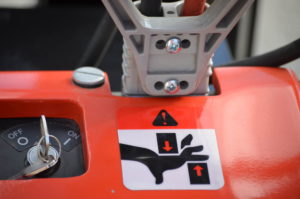
Some pallet jacks are capable of carrying 2000kg and this weight creates a risk of injury. The majority of pallet jacks, electric or manual, require the operator to walk along with them, and many operators will be lifting goods on…

Read more ›

Pedestrian safety around electric pallet jacks and walkies

Even though the humble pallet jack might be small, it can carry a surprising amount of weight – up to two tonnes in some cases. If it’s an electric pallet jack or ‘walkie’, these can be 300-400kg on top of…

Read more ›

What documents should you keep for walkie and electric pallet jack training?

To maintain a paper trail to provide to WorkSafe in the event of an incident involving the operation of walkies or pallet jacks, there are four documents which will help: Pedestrian-operated forklift operator’s certificate or equivalent – This says that…

Read more ›

Recent Resources
  • Dashcam footage and the Privacy Act 2020: what your employer must do, and what you can ask for
  • Issuing a permit to work: scope, inspection and isolation
  • Interpreting Manufacturer Load Capacity Specifications
  • PPE, safety equipment and hazardous substances in permitted work
  • How to find your real driving triggers (and why most drivers get it wrong)
  • PPE Requirements for Truck Loader Crane Operators and Ground Crew
  • Atmospheric testing for Permit Issuers as part of the permit to work system
  • The pre-drive routine: why the first few minutes of your driving shift matter most
  • What are outriggers or straddle legs on a forklift or electric pallet jack?
  • Preparing the worksite

Licences and Courses

  • Car
  • Motorbike
  • Heavy Vehicles
Car
  • Core
  • Behaviour
  • Parking
  • Emergencies
  • Road position
  • Intersection
  • Theory
  • Signs
Motorbike
  • Bike-specific questions
  • Core
  • Behaviour
  • Parking
  • Emergencies
  • Road position
  • Intersection
  • Theory
  • Signs
Heavy Vehicles
  • Class 2
  • Class 3-5
  • Core
  • Behaviour
  • Parking
  • Emergencies
  • Road position
  • Intersection
  • Theory
  • Signs

Vehicle and workplace training

  • About
  • Resources
DT Driver Training TR Group
About
  • About us
  • Contact us
  • Privacy Policy
  • Terms and Conditions
Resources
  • Homepage
  • Driving Tests Android App
  • Driving Tests iPhone App
  • Getting your learner licence
DT Driver Training TR Group
Copyright 2010-2026 DT Driver Training Ltd, PO Box 12541, Penrose, Auckland, 1642. All rights reserved. Questions and images are used with permission from NZTA; question answers are proprietary.