Personal protective equipment sits at the bottom of the hierarchy of controls for good reason. It does nothing to remove a hazard; it only reduces the consequence if a person is exposed. But in high-risk permitted work, PPE is almost always part of the control package, and getting it wrong can be fatal. A worker entering a space with the wrong respiratory protection, or wearing a harness that has not been inspected, is exposed to a risk that the permit was supposed to manage.
As a Permit Issuer, you do not select the PPE yourself in most cases. The Permit Receiver identifies what is needed based on the hazards in their risk assessment, and you review that assessment as part of the permit process. Your job is to confirm that the right equipment has been identified, that it is available and in working condition, and that the people using it understand how to use it properly. If you believe additional equipment is required based on your own review or your site inspection, you add it.
It helps if you are aware of the standard PPE required for each type of work you might encounter, and any requirements from Safety Data Sheets. You can learn this by doing courses here:
Excavator operator’s certificate
Respiratory protection
Respiratory protection ranges from simple disposable dust masks through to self-contained breathing apparatus (SCBA), and the right choice depends entirely on the atmospheric hazard. A disposable P2 mask is adequate for nuisance dust in open air. It is not adequate for toxic vapours, oxygen-deficient atmospheres, or work inside a confined space where the atmosphere may deteriorate.
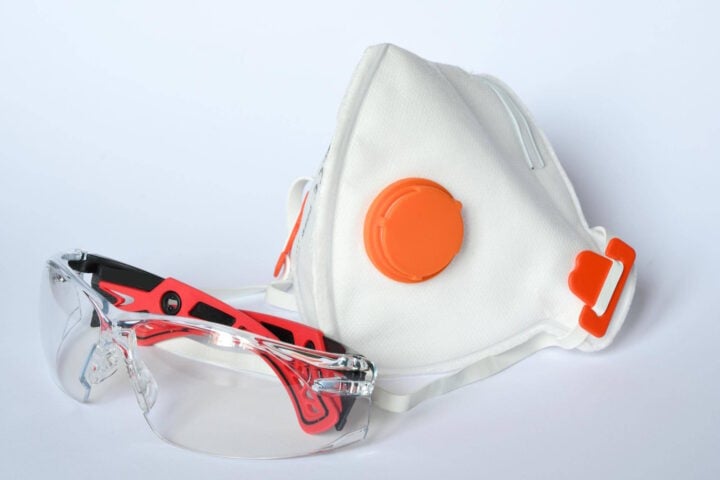
Where the atmosphere has been tested and is within safe limits, a powered air-purifying respirator or cartridge-type mask may be appropriate, provided the cartridge is matched to the specific contaminant. Where the atmosphere is oxygen-deficient, flammable, or contaminated beyond the protection factor of a filter mask, airline or SCBA is required.
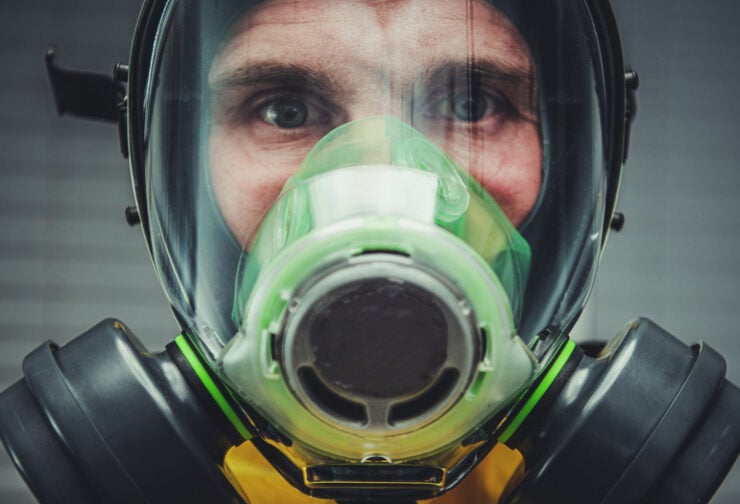
The critical point for you as a Permit Issuer is confirming that the respiratory protection chosen actually matches the hazard. A permit application for work near an open chemical bund that specifies only a dust mask has a gap. Check the Safety Data Sheet for the substances involved, compare the protection required against what has been specified, and require an upgrade if the equipment is not adequate. People using respiratory protection must be trained and competent in its use, including fit testing where applicable.
Rescue equipment
Rescue equipment must be in place before any confined space entry or any work where a person could become trapped, suspended, or incapacitated. This includes retrieval systems such as tripods and winches for vertical confined space entries, stretchers and basket hoists for extraction from height or below ground, and first aid equipment appropriate to the hazards present.
The rescue plan must be documented on the permit before work begins, not added afterwards. It must specify what rescue equipment is on site, where it is positioned, who will operate it, how an injured worker will be extracted, and how emergency services will reach the location. If the rescue plan relies on equipment that is not physically present and ready to use at the worksite, the permit should not be issued.
A common gap is rescue planning for work at height. A person suspended in a fall arrest harness after a fall faces suspension trauma, which can become life-threatening within minutes. The rescue plan must address how that person will be reached and lowered to safety, and the equipment to do it must be on site before work starts.
Communication equipment
Communication equipment is required whenever workers are out of direct line of sight or in environments where voice communication is unreliable. This includes work inside vessels and confined spaces, work at height on large structures, and work in noisy environments near operating plant.

Two-way radios are the most common solution. Before the permit is issued, confirm that the radios are charged, tested, and working. In confined spaces, the Safety Observer must maintain constant communication with the people inside. If communication is lost, the work stops and the rescue plan is activated.
Fall protection equipment
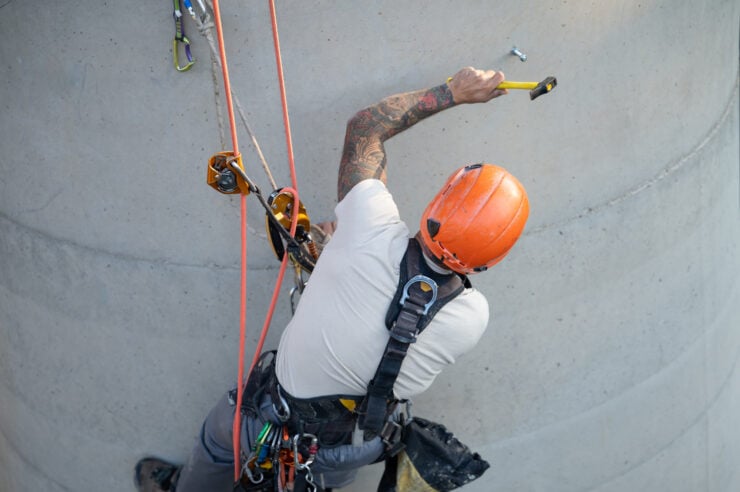
Fall protection equipment includes harnesses, lanyards, self-retracting lifelines, and anchor points. This equipment must comply with AS/NZS 1891, be within its service life, and have been inspected within the timeframe specified by your organisation’s procedures. Damaged, modified, or expired equipment must not be used.
Anchor points must be rated for the load and certified at the intervals your organisation requires. A harness attached to an anchor point that has not been inspected or is not rated for the purpose offers false security, not protection.
Workers using fall arrest harnesses must hold the relevant unit standards and be trained in the correct fitting, adjustment, and inspection of their equipment. If you are issuing a permit that involves fall arrest, confirm these qualifications are held before you sign.
General PPE
General PPE covers hard hats, safety glasses, hearing protection, high-visibility clothing, safety footwear, and gloves. The specific combination depends on the hazards present. Work involving corrosive or toxic substances requires chemical-resistant gloves, face shields, and protective clothing matched to the chemical class and concentration. Hot work may require fire-resistant clothing. Electrical work may require arc-flash-rated garments.
The PPE requirements must be recorded on the permit. During your site inspection, check that the workers on site are actually wearing what the permit specifies. PPE written on a form but not worn on the body is not a control.
Hazardous substances
Some permitted work involves the handling, use, or proximity of dangerous goods and hazardous substances. The four primary exposure routes for chemicals are ingestion, inhalation, skin absorption, and radiation. The Safety Data Sheet for each substance specifies the hazards, the required PPE, and the emergency response procedures.
Where workers will be handling dangerous goods, WorkSafe requires that they hold appropriate training in dangerous goods handling, spill response, and fire suppression. Certain chemicals require a current Approved Handler qualification. If the permit involves work with or near these substances, confirm the relevant qualifications are held before you issue.
The bottom line
If safety equipment is specified on the permit but not available at the worksite, do not issue. If it is available but not serviceable, do not issue. If the workers do not know how to use it, do not issue. The work does not start until every control is in place, and PPE is one of those controls.


Darren has written over 3000 articles about driving and vehicles, plus almost 500 vehicle reviews and numerous driving courses. Connect with him on LinkedIn by clicking the name above