
Isolation failures are among the most common causes of serious injuries and fatalities in permitted work. Equipment that was supposed to be shut down starts up unexpectedly. A valve that was marked as closed is still passing fluid under pressure. A circuit that was supposed to be dead is still live. In each case, someone believed the energy source was controlled, and it was not. Lockout/tagout exists to prevent this.
What isolation means
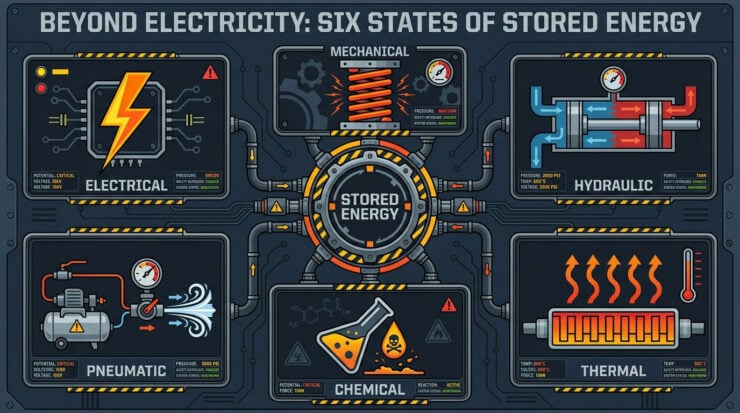
Isolation is the physical separation of a piece of equipment from its energy sources so that it cannot be started, moved, pressurised, or re-energised while people are working on it. Energy sources include electrical supply, mechanical drive systems, hydraulic and pneumatic pressure, thermal energy, stored energy in springs or counterweights, and the static head of liquids or gases in pipework and vessels.
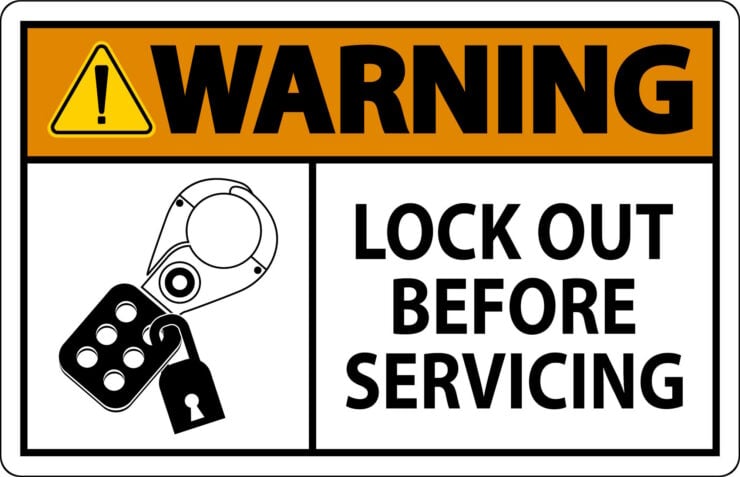
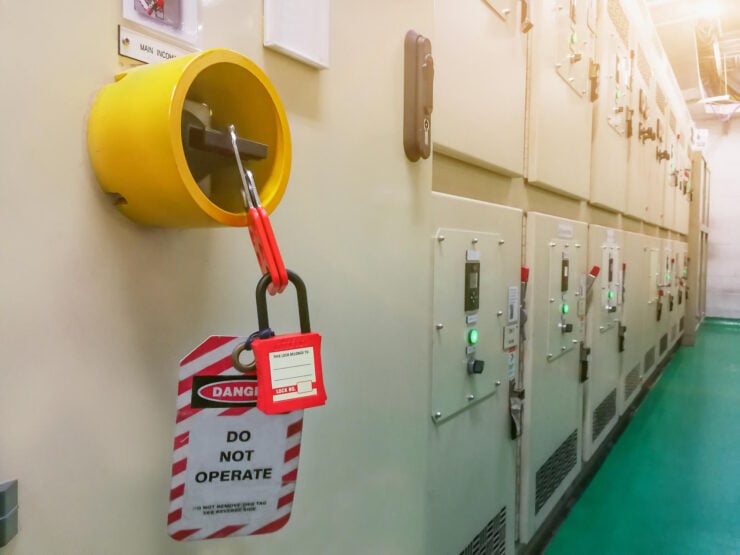
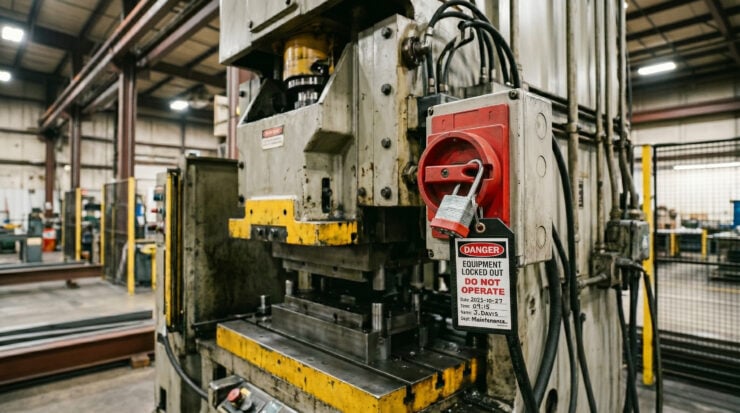
Lockout/tagout, or LOTO, is the system that secures and controls that isolation. A lock physically prevents an isolation point from being operated. A tag identifies the permit number, the date, and the person who placed it. Together, they tell anyone who encounters the isolation point that the equipment is under a permit and must not be touched.
Your responsibility as a Permit Issuer is not to perform the isolation yourself in most cases, but to verify that it has been done correctly before you issue the permit. That verification is the most critical check you carry out.
Equipment isolation versus systems isolation
There are two types of isolation, and the distinction matters. Equipment isolation is where a single piece of equipment or a small group of related items is isolated. Shutting off the power supply to a motor and closing the suction and discharge valves on a pump is equipment isolation. Mobile plant such as EWPs and forklifts could be tagged out if a fault is found (you can find out more in our EWP training and forklift training courses). The sequence of steps does not affect other plant or processes.
Systems isolation is more complex. It applies where the isolation or de-isolation of equipment must follow a specific sequence to avoid creating an unsafe condition. A refrigeration plant, a boiler system, or a chemical dosing process may all require a controlled shutdown sequence where the order of each step matters. Systems isolation must be documented on the isolation certificate with the steps numbered, and a de-isolation plan may be needed for restarting.
The isolation procedure
The process follows a defined sequence. First, the Permit Issuer and Permit Receiver identify all energy sources that need to be managed. This means visiting the work area, checking the drawings, identifying any processes that could be affected, and discussing the isolation with the area supervisor or operator if needed. Missing an energy source at this stage means it will not be isolated, and someone may be exposed to it during the work.
Second, the energy sources are isolated. Electrical supplies are disconnected at the isolator. Valves are closed. Hydraulic and pneumatic lines are depressurised and vented. Mechanical stored energy is released or secured. Pipework is drained and, where necessary, purged of residual product.
Third, locks and tags are applied at every isolation point. Both the Permit Issuer and the Permit Receiver place their own lock at each point. In most organisations, issuer locks are yellow and receiver locks are white. Each lock must be accompanied by a tag recording the permit number, the name of the person who placed it, and the date. Where an isolation point cannot be physically locked (such as a disconnected airline), issuer and receiver tags are placed at the point instead.
Where isolations involve numerous points, a lockbox may be used. One lock and tag is fitted at each field isolation point, and all the keys are placed in the lockbox. The lockbox is then secured with an issuer lock and a receiver lock. All lock numbers are recorded on the isolation certificate.
Individual workers may also apply personal locks (typically red) to isolation points or the lockbox. These are optional but provide an additional layer of protection. A personal lock can only be removed by the person named on the tag.
The bump test
The bump test is the step that separates a verified isolation from an assumed one. After all locks and tags are in place, you attempt to start or energise the isolated equipment and confirm it does not respond.
For electrical isolation, use a voltage tester to confirm the circuit is dead. For a motor, press the start button and confirm nothing happens. For a valve isolation, check the downstream side for pressure or flow. For pneumatic or hydraulic systems, check for residual pressure at the work point.
If the equipment responds in any way, the isolation has not worked. The work does not begin. You go back, find the fault, correct it, and test again. Consider a permit for bearing replacement on a conveyor drive. The electrical isolator is locked off, the lock and tag are in place, and the certificate is filled in. But when you press the start button during the bump test, the motor twitches. Investigation reveals that a second supply circuit feeds the drive through an interlock that was not identified during the isolation planning. Without the bump test, someone would have had their hands inside a drive that could move.
Only after the bump test confirms the isolation is effective do you and the Permit Receiver both sign the isolation certificate. Only then does the permit proceed.
Revalidation of isolations
Every time a permit is reissued or revalidated, the integrity of the isolations must be rechecked. Locks and tags must still be in place, undisturbed, and the isolation must still be effective. Isolations can be interfered with overnight. A shift operator unfamiliar with the permit may attempt to restart equipment. Someone may remove a tag thinking the work is finished. The revalidation check catches these problems before work restarts.
De-isolation
When the work is complete and the permit is being closed, the Permit Issuer and Permit Receiver jointly confirm the worksite is safe to restore. All personnel are clear, all tools are accounted for, and the equipment is ready to return to service. Each lock and tag is removed only by the person who placed it, and each removal is recorded on the isolation certificate.
Nobody removes another person’s lock. If a lock has been left on an isolation point and the person who placed it cannot be contacted, the forced removal procedure applies. Every effort must be made to locate the person first. If they cannot be reached, the plant manager or their delegate must confirm in writing that no risk to people, plant, or process exists before the lock is removed. Forced removal is always documented and is treated as a serious event.
Your role
This is covered in our Permit Issuer course. The LOTO process only protects workers if the Permit Issuer confirms it has been carried out properly. That confirmation is what your signature on the isolation certificate represents. Walk the points. Check the locks. Do the bump test. If anything is not right, do not issue.


Darren has written over 3000 articles about driving and vehicles, plus almost 500 vehicle reviews and numerous driving courses. Connect with him on LinkedIn by clicking the name above