
Select language
Forklift & Materials Handling Courses
What forklift qualifications do you need?
Which course you need depends on where the machine is driven and what your client asks for. The operator's certificate covers workplace use and is what most employers need. Add the F endorsement if the forklift goes on a public road, which includes any place the public can access. Unit standard 10851 is optional and worth doing if a client or site rule specifically requires it, or you need units for a larger qualification. Walkie stackers and electric pallet jacks are a separate certificate, and anyone changing gas bottles needs LPG training under WorkSafe's requirements. There is more information below the courses.
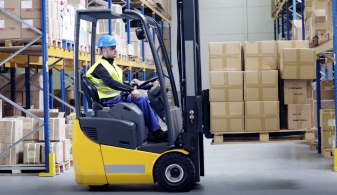
Everything you need for your 3-yearly forklift operator's certificate (OSH certificate or forklift licence)
Forklift Operator's Certificate
Online forklift theory training - refresher or new driver OSH certificate
$89 +GST
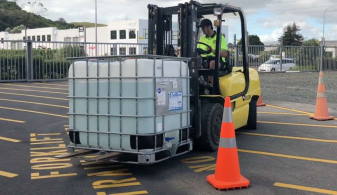
Do the forklift theory online then visit a TR Driver Training branch to take the final assessments for the F + forklift licence
Forklift F Endorsement & Operator's (OSH) Certificate
F endorsement and OSH theory in one convenient course - includes US18496
$233 +GST
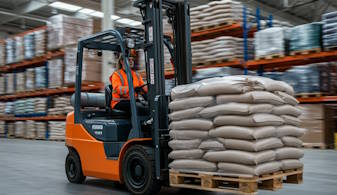
Get US10851 and the operator's certificate in your own time
Forklift Operator (Unit Standard 10851)
Forklift OSH certificate plus the unit standard so you can operate a forklift in a closed-off area (e.g. a warehouse)
$214 +GST
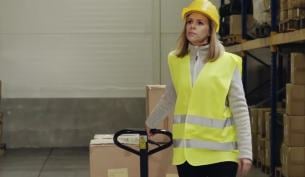
This course covers the requirements of the operator's certificate for pallet jacks, electric pallet jacks & walkie stackers
Walkie Stacker & Electric Pallet Jack Certificate
Operator's certificate for pedestrian-operated forklifts and pallet jacks (electric and manual)
$83 +GST
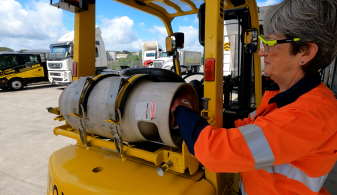
Learn about the dangers of LPG, and the process of removing an empty LPG bottle and replacing it with a full one on your forklift
Forklift LPG Cylinder Training
Safely exchange an empty LPG cylinder for a full one on a forklift
$27 +GST
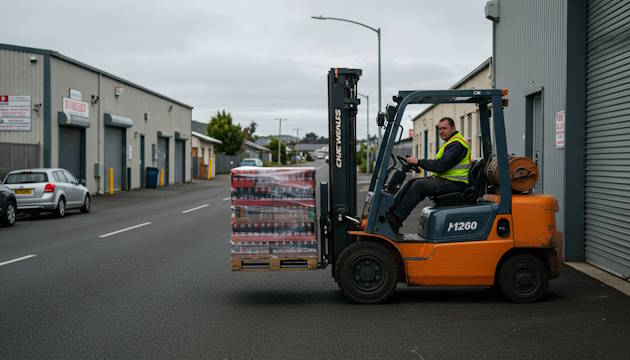
Complete the theory online. The price includes the final assessments at any TR Driver Training branch nationwide
Forklift F Endorsement
For operators that already have an OSH certificate & just need an F endorsement (US18496)
$144 +GST
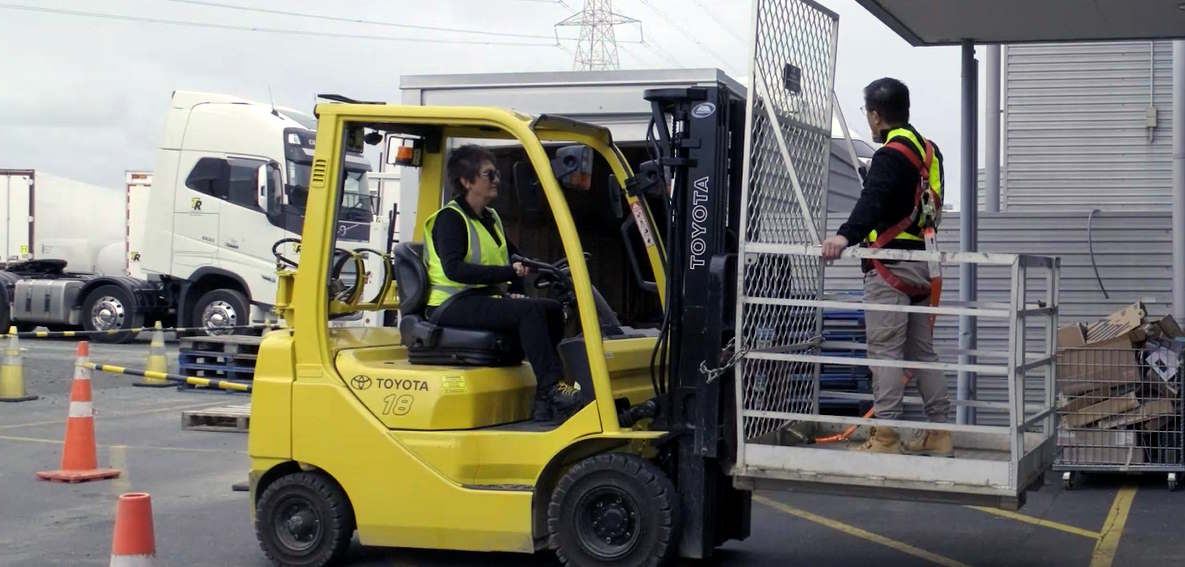
Forklift Mounted Safety Platform (Man Cage / Personnel Cage)
Attach, use and operate a mounted safety platform or "man cage", as per the ACOP
$36 +GST

Learn safe physical work movement in the workplace to prevent injuries that cause downtime, ongoing pain and difficulties
Manual Handling and Back Injury Prevention
Prevent injuries in the workplace by understanding how to lift and move objects safely
$45 +GST
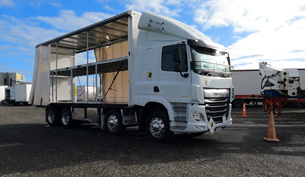
Mezz decks are heavy items that need careful handling with a forklift. This course teaches best practice mezzanine deck installation and removal
Mezzanine Deck Installation
Learn how to install and remove a mezz deck in a truck or trailer
$29 +GST