
• A TR Group Site
  • Help
  • Cart
Driving Tests DT logo small
Driving tests
  • Learner licence
    • Car
    • Motorbike
    • Heavy vehicle
    • Learner Licence Plus
  • Courses
  • Tourist
  • Resources
  • Learn
  • Resources
  • Learner licence
    • Car
    • Motorbike
    • Heavy Vehicle
    • Learner Licence Plus
  • Your courses
    • Enrolled courses
  • View all courses
  • Tourist
  • Resources home
  • iOS application
  • Android application
  • Contact us
  • Terms and conditions
  • Privacy
  • Home
  • /
  • Resources
  • / Dangerous goods

Dangerous goods Resources

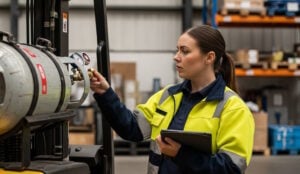
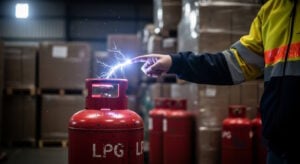
PPE, safety equipment and hazardous substances in permitted work

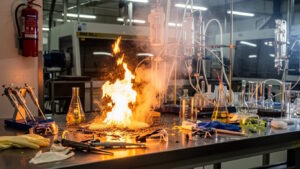
Personal protective equipment sits at the bottom of the hierarchy of controls for good reason. It does nothing to remove a hazard; it only reduces the consequence if a person is exposed. But in high-risk permitted work, PPE is almost…
Read more ›

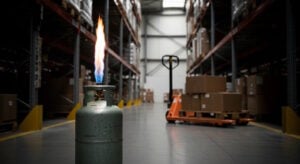
Preventing Complacency When LPG Equipment Is Used Daily

Familiarity breeds comfort. Comfort breeds shortcuts. Shortcuts, when you’re handling a Class 2.1.1A flammable gas, breed incidents. The worker who changes an LPG cylinder for the hundredth time doesn’t approach it with the same care as the first time. That’s…

Read more ›

Why static electricity is a risk when using LPG

The Invisible Spark Most forklift operators understand the obvious fire risks associated with LPG: open flames, hot surfaces, and electrical faults all warrant caution. However, one of the most underestimated hazards is also one of the most common in everyday…

Read more ›

Fire Extinguishers and LPG: What Employers Need to Know

The Counterintuitive Truth About LPG Fires When a fire breaks out in most workplaces, the instinctive response is clear: grab an extinguisher and put it out. This response is so deeply ingrained that it forms the basis of most fire…

Read more ›

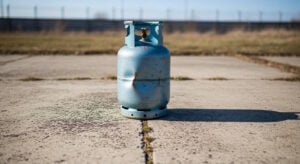
What causes damage to LPG cylinders in the workplace?

LPG cylinders are designed to be robust, but they are not indestructible. In many workplaces, cylinder damage doesn’t come from dramatic incidents; it comes from everyday handling, storage, and use. Understanding what causes LPG cylinder damage helps prevent leaks, injuries,…

Read more ›

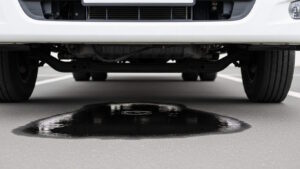
Vehicle-related spills: Managing fuel, AdBlue and engine fluid leaks safely

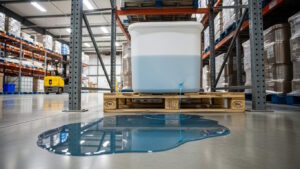
Vehicle spills are one of the most common and most underestimated spill risks in transport yards, depots, workshops, and roadside environments. These incidents usually involve fuel, AdBlue, or engine fluids released unintentionally during normal vehicle operation, maintenance, or refuelling. While…

Read more ›

LPG injuries in the workplace: what you need to know

When people think about LPG risks, they usually think about fires or explosions. In reality, most LPG-related injuries in workplaces are far more ordinary. Some can be treated by a person who has done workplace first aid training, while others…

Read more ›

Why LPG requires specific risk controls in New Zealand workplaces

Liquefied Petroleum Gas (LPG) is widely used in New Zealand workplaces because it is efficient, portable, and well-suited to indoor and outdoor industrial equipment. However, those same properties also introduce specific hazards that must be actively managed under New Zealand…

Read more ›

What you need to check when storing LPG in your workplace

LPG is commonly used in New Zealand workplaces for forklifts, heating, and other equipment. Because LPG is a hazardous substance, you must store it safely and in compliance with the Health and Safety at Work (Hazardous Substances) Regulations 2017. You…

Read more ›

Fire precautions and fire response when dealing with spills of hazardous substances

Spills involving hazardous substances don’t just create a slip hazardous or environmental risk; they can also present a serious fire and explosion hazard. Many fuels, solvents, and chemicals release flammable vapours that can ignite quickly, often before anyone realises the…

Read more ›

Common spill response mistakes that make incidents worse

Spill kits are designed to reduce risk, not create it. Yet many workplace spill incidents become more serious because of how the spill is handled, not the spill itself. Injuries, fires, environmental damage, and costly clean-ups often trace back to…

Read more ›

The spill hazard you might miss: fumes heavier than air

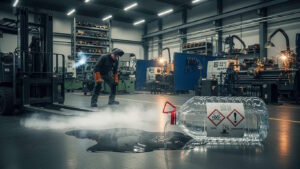
Many commonly used workplace chemicals give off vapours or fumes that are heavier than air, meaning they can sink, spread along floors, and accumulate in low areas such as pits, drains, sumps, basements, or inside vehicles and containers. This makes…

Read more ›

Understanding Packing Groups I, II and III: How Dangerous Goods Are Classified

In New Zealand, the packing group (PG) system classifies dangerous goods by the degree of danger they present during transport. It is part of both the Land Transport Rule: Dangerous Goods 2005 and the UN Recommendations on the Transport of…

Read more ›

How many fireworks can you legally carry in your car?

So you want to have a massive backyard fireworks party. There’s actually a limit to how many fireworks you can legally carry in your vehicle before you must placard it so that emergency services know what is being carried in…

Read more ›

How many lithium-ion batteries can an electrician carry in a vehicle?

Electricians may need a D endorsement if carrying batteries for solar power systems due to the weight of the batteries exceeding the limit under tools of the trade. More and more electricians are servicing and installing solar panels on houses.…

Read more ›

What type of dangerous goods need two placards on the vehicle?

Some chemicals need to be placarded for both a primary and subsidiary risk. Both the primary and subsidiary risks must be considered when segregating incompatible dangerous goods, unless they are gas bottles being transported using appropriate equipment, in which case…

Read more ›

Are shipping containers dangerous for trucks to carry?

Shipping goods around the world is made easy by the use of shipping containers which have standard sizes and can fit on ships, trains and trucks. It makes it possible for goods to be packed at the manufacturer, sealed for…

Read more ›

What’s a dangerous goods or DG placard?

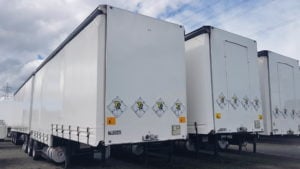
A dangerous goods placard is a diamond-shaped warning sign or label displayed on a truck, trailer, portable tank or container that either conveys information about the specific hazards and risks of the goods carried, or is a generic warning that…

Read more ›

Do drivers of LPG forklifts need a dangerous goods qualification?

As more and more safety compliance responsibility is heaped on companies, some are finding it difficult to achieve dangerous goods compliance when they are using forklifts with LPG cylinders. Cylinders attached to a forklift are not counted as being in…

Read more ›

Carrying dangerous goods in limited quantities (DGLQ) and consumer commodities (con coms)

Transport companies are required to carry a variety of dangerous goods of smaller quantities to supermarkets and other manufacturers. These may be carried with reduced segregation requirements if they meet the following conditions. They must meet all other requirements of…

Read more ›

‹ Older posts
Recent Resources
  • Issuing a permit to work: scope, inspection and isolation
  • Interpreting Manufacturer Load Capacity Specifications
  • PPE, safety equipment and hazardous substances in permitted work
  • How to find your real driving triggers (and why most drivers get it wrong)
  • PPE Requirements for Truck Loader Crane Operators and Ground Crew
  • Atmospheric testing for Permit Issuers as part of the permit to work system
  • The pre-drive routine: why the first few minutes of your driving shift matter most
  • What are outriggers or straddle legs on a forklift or electric pallet jack?
  • Preparing the worksite
  • What is a forklift paper roll clamp, and how does it work?

Licences and Courses

  • Car
  • Motorbike
  • Heavy Vehicles
Car
  • Core
  • Behaviour
  • Parking
  • Emergencies
  • Road position
  • Intersection
  • Theory
  • Signs
Motorbike
  • Bike-specific questions
  • Core
  • Behaviour
  • Parking
  • Emergencies
  • Road position
  • Intersection
  • Theory
  • Signs
Heavy Vehicles
  • Class 2
  • Class 3-5
  • Core
  • Behaviour
  • Parking
  • Emergencies
  • Road position
  • Intersection
  • Theory
  • Signs

Vehicle and workplace training

  • About
  • Resources
DT Driver Training TR Group
About
  • About us
  • Contact us
  • Privacy Policy
  • Terms and Conditions
Resources
  • Homepage
  • Driving Tests Android App
  • Driving Tests iPhone App
  • Getting your learner licence
DT Driver Training TR Group
Copyright 2010-2026 DT Driver Training Ltd, PO Box 12541, Penrose, Auckland, 1642. All rights reserved. Questions and images are used with permission from NZTA; question answers are proprietary.