Vehicle spills are one of the most common and most underestimated spill risks in transport yards, depots, workshops, and roadside environments. These incidents usually involve fuel, AdBlue, or engine fluids released unintentionally during normal vehicle operation, maintenance, or refuelling.
While often seen as “minor”, vehicle-related spills can present serious safety, environmental, and compliance risks if not managed correctly.
Common Vehicle Fluids Involved in Spills
Fuel (Diesel and Petrol)
Fuel spills are the most frequent vehicle-related spill.
Common causes include:
- Overfilling during refuelling (not stopping at the first or second click, or not paying attention to the levels in the tank if filling a truck to the brim)
- Faulty or damaged fuel caps
- Split or perished fuel hoses
- Tank damage from impacts (e.g. careless forklift operators) or road debris
- Leaking injectors or fuel lines.
Hazards:
- Fire and explosion risk
- Slips and falls
- Vapours that can travel to ignition sources
- Environmental contamination of soil and waterways.
AdBlue (Diesel Exhaust Fluid)
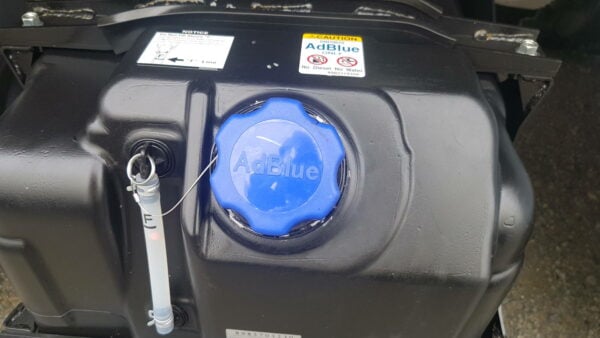
AdBlue spills are increasingly common as more vehicles use SCR (selective catalytic reduction) emission systems.
Typical causes:
- Overfilling AdBlue tanks
- Incorrect refuelling (spilling from containers)
- Damaged filler necks or caps
- Freezing and expansion damage in cold conditions.
Hazards:
- Not flammable, but highly corrosive to some metals
- Slippery when spilled
- Can damage vehicle components and concrete surfaces
- Harmful to waterways due to high nitrogen content.
AdBlue spills are often underestimated because they are not flammable, but they still require prompt clean-up.
Engine and Vehicle Fluids
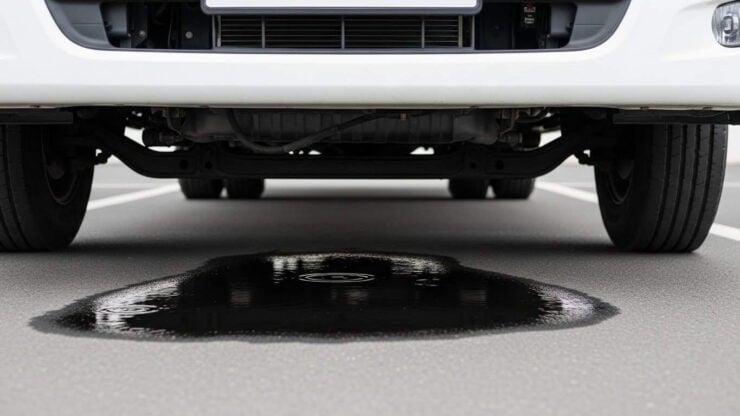
Vehicles contain multiple fluids that may leak or spill, including:
- Engine oil
- Hydraulic oil
- Transmission fluid
- Brake fluid
- Coolant (ethylene or propylene glycol)
- Power steering fluid.
Common causes:
- Worn seals or gaskets
- Loose fittings after servicing
- Hose failures through age or through clamps coming loose
- Overfilling – only fill between the min and max lines
- Poor technique (not using a funnel when filling, for example)
- Accident or mechanical failure.
Hazards:
- Slip hazards on hard surfaces (particularly on smooth concrete)
- Fire risk (particularly oils)
- Toxicity to humans and animals
- Severe environmental harm if fluids enter stormwater systems.
How Vehicle Spills Commonly Occur
Vehicle-related spills typically happen:
- During refuelling or topping up fluids
- In maintenance bays and workshops
- In transport yards and depots
- Fuel theft attempts (siphoning, for example)
- Following breakdowns or collisions
- When leaks go unnoticed over time (these should be picked up if you do a pre-trip inspection on your vehicle)
Many spills are slow leaks rather than sudden failures, which makes early detection critical.
Environmental Responsibilities in New Zealand
Under New Zealand environmental law, businesses and individuals have a duty of care to prevent contaminants from entering land, air, or water.
Key considerations:
- Stormwater drains usually discharge directly to waterways
- Even small quantities of oil or fuel can cause significant harm
- Councils and regional authorities can issue fines or require remediation
- Clean-up costs can far exceed the original spill impact.
Allowing vehicle fluids to enter drains, soil, or waterways is not acceptable, regardless of spill size.
Best Practices for Vehicle Spill Management
1. Prevention First
- Regular vehicle inspections for leaks – heavy vehicles should have a pre-trip inspection every day they are used
- Prompt repair of seals, hoses, and fittings
- Correct refuelling procedures
- Use drip trays under parked vehicles when leaks are suspected
- Proper storage and handling of fluids and refill containers.
2. Spill Kit Availability
Vehicle-appropriate spill kits should be available:
- In workshops
- In fuel areas
- In transport yards
- In service vehicles and trucks.
Spill kits should be suitable for fuel, oils, and general vehicle fluids, and clearly accessible.
3. Immediate Spill Response
When a spill occurs:
- Stop the source if safe to do so
- Isolate the area and keep people clear
- Eliminate ignition sources
- Contain the spill first (use absorbent socks or booms)
- Prevent entry into drains
- Absorb and clean up using appropriate materials.
4. Waste Handling and Disposal
Used absorbents and contaminated materials:
- Must be collected promptly
- Stored in sealed, labelled containers
- Disposed of according to local and company procedures
- Never placed in general rubbish without approval.
5. Training and Awareness
Drivers and workshop staff should:
- Recognise early signs of leaks
- Understand which fluids are hazardous
- Know where spill kits are located
- Know when to clean up and when to escalate
- Understand environmental responsibilities
Spill response should never rely on guesswork or improvisation. Spill kit training is required under the Health and Safety at Work Act 2015 for anyone who may be tasked with cleaning up a spill.
When to Escalate
Do not attempt to manage a spill if:
- The substance is unknown
- Vapours are strong or uncontrolled
- The spill is large or spreading rapidly
- Fuel ignition risk cannot be controlled
- The spill has entered soil or waterways.
In these cases, isolate the area and contact supervisors or specialist responders immediately.
Conclusion
Vehicle-related spills involving fuel, AdBlue, and engine fluids are a routine risk in transport and fleet operations across New Zealand. While often small, they carry real safety, fire, and environmental consequences if handled poorly.
Good spill management is about prevention, preparation, and prompt, correct response, not speed. Having the right spill kits, trained people, and clear procedures ensures that everyday vehicle spills don’t become serious incidents.


Darren has written over 3000 articles about driving and vehicles, plus almost 500 vehicle reviews and numerous driving courses. Connect with him on LinkedIn by clicking the name above