
Light 4-wheel drive (L4WD) vehicles operating in rural New Zealand face unique challenges that urban vehicles simply don’t encounter. These vehicles often travel across farm tracks, gravel roads, through streams, and over rough terrain on a daily basis. This heavy rural use demands a more rigorous maintenance schedule than what manufacturers typically recommend for standard road driving. A well-maintained L4WD not only ensures reliability when you’re kilometres from assistance but also maximises the vehicle’s service life and maintains its value.
Understanding Maintenance Intervals
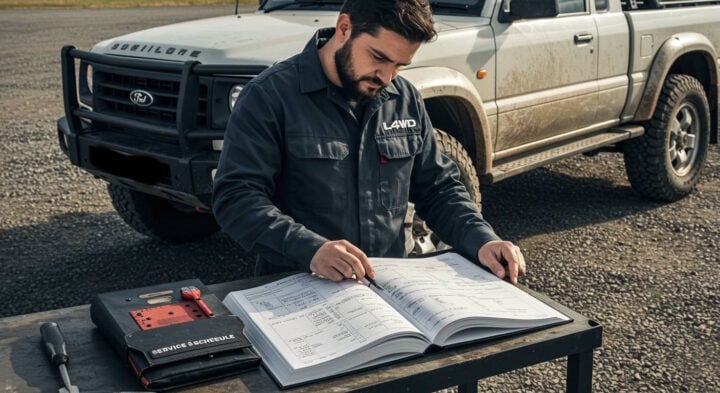
Manufacturer service schedules are typically designed for vehicles operating under what they define as “normal conditions” – predominantly sealed road driving with occasional light off-road use. However, vehicles used extensively in rural settings operate under what manufacturers classify as “severe” or “heavy-duty” conditions, requiring more frequent servicing.
For L4WDs used in rural environments, particularly on farms or for contracting work, maintenance intervals should typically be reduced by 30-50% compared to standard recommendations. This means that if the manufacturer suggests an oil change every 15,000 kilometres, rural users should consider changing oil at 7,500-10,000 kilometres instead.
Critical Service Points for Rural Use
Engine Maintenance
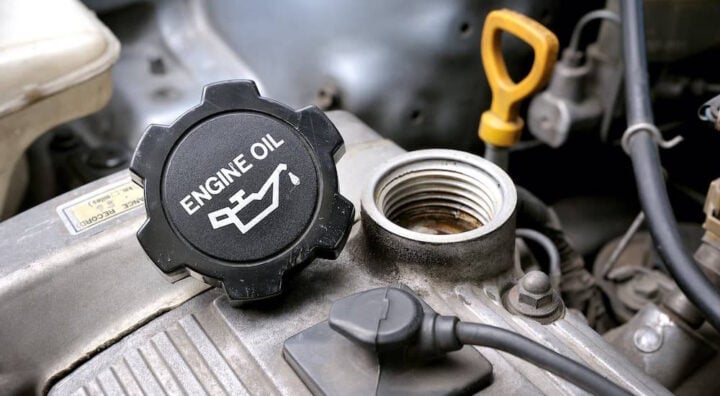
Dust ingress, constant load variations from rough terrain, and extended idle times all contribute to accelerated wear. Engine oil degrades faster under these conditions, losing its ability to properly lubricate critical components.
Rural L4WD owners should replace engine oil and filters every 5,000-7,500 kilometres or every six months, whichever comes first. Air filters require even more frequent attention – inspection every 2,500 kilometres and replacement when visibly dirty, regardless of kilometres covered. Consider upgrading to heavy-duty air filtration systems if operating in particularly dusty conditions.
Transmission and Differential Servicing
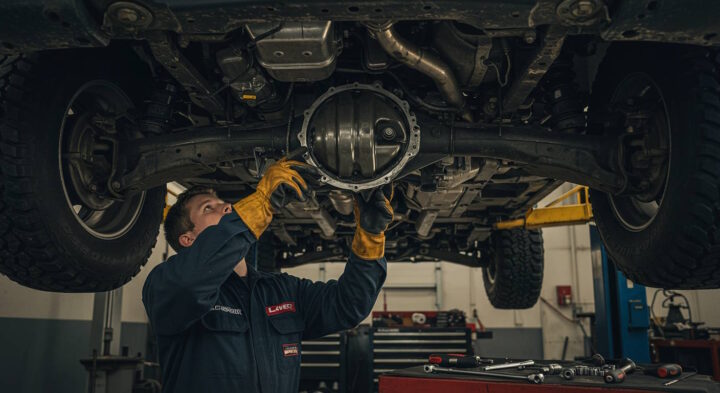
Transfer cases, gearboxes and differentials experience extreme stress during off-road driving, particularly when wading through water or navigating steep terrain. These components should have their oils checked monthly and replaced every 20,000 kilometres – about half the standard recommendation.
Pay particular attention to differential breathers, which can allow water ingress during water crossings. If your vehicle regularly crosses water that submerges axles, consider extending differential breathers to a higher position on the vehicle and increasing service frequency.
Suspension and Steering Components
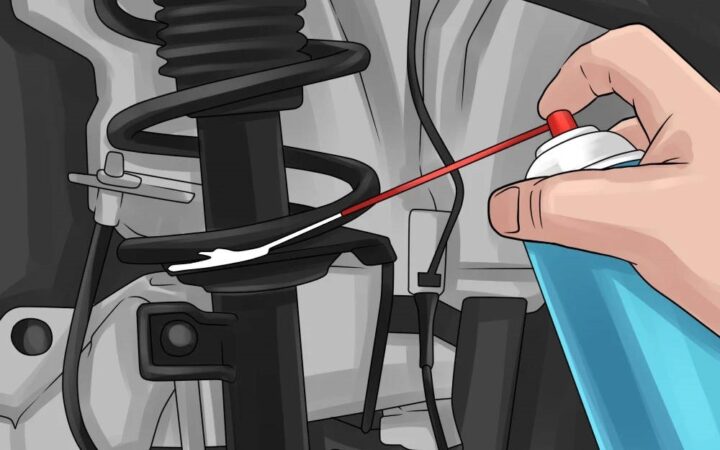
Rural driving puts enormous strain on suspension components. Shock absorbers, bushes, ball joints and steering components deteriorate much faster on rough surfaces than on sealed roads. These should be visually checked weekly and thoroughly inspected every 10,000 kilometres.
Grease all suspension and steering fittings (as per vehicle specifications) at 5,000-kilometre intervals rather than the 10,000 kilometres often recommended. This simple maintenance step can dramatically extend component life.
Underbody Protection

The underbody of rural 4WDs face constant bombardment from rocks, dirt and water. Inspect the underside of your vehicle monthly for damage to protection plates, chassis components and fuel lines. Ensure sump guards and protection plates remain securely fastened, as vibration from rough terrain can loosen mounting bolts.
Apply fresh underbody protection coating annually, paying particular attention to chassis rails and exposed metal surfaces. For vehicles regularly exposed to salt (coastal properties) or fertilisers (farm use), more frequent underbody washing and protection is essential.
Seasonal Considerations

Winter Maintenance
New Zealand’s winter conditions introduce additional maintenance requirements. Before winter, ensure your battery is in optimal condition, as cold weather reduces battery efficiency. Consider upgrading to a higher-capacity battery if your vehicle regularly operates in cold conditions.
Check antifreeze concentration and condition, ensuring it provides adequate protection for the lowest temperatures in your region. Inspect all lights, wipers and demisting systems before winter sets in. Consider fitting winter-rated tyres if operating in areas prone to snow and ice, and carry chains (which need to be inspected periodically).
Summer Maintenance
Summer brings its own challenges, particularly for cooling systems. Check coolant levels and condition monthly, inspecting hoses and radiator for signs of deterioration. Clean debris from radiator and intercooler surfaces regularly to maintain optimal cooling efficiency.
If operating in dry, dusty conditions, increase air filter inspection frequency and consider installing a pre-cleaner to extend filter life. Check air conditioning systems before summer begins to ensure proper operation.
Creating a Structured Maintenance Schedule
Consider creating a spreadsheet or maintenance log with the following columns:
- Component
- Inspection frequency
- Service frequency
- Last serviced date/kilometres
- Next service due date/kilometres
- Notes on condition
This structured approach ensures no maintenance items are overlooked and provides valuable service history for warranty claims or when selling the vehicle.
Electronic Management Systems
Modern L4WDs feature sophisticated electronic management systems that control everything from transmission behaviour to stability control. These systems need regular diagnostic checks to ensure optimal operation, particularly for vehicles used extensively off-road.
Consider having computer diagnostic checks performed every 15,000 kilometres to identify any potential issues before they become problematic. Pay particular attention to any warning lights or unusual behaviour in traction control or stability systems.
Tyre Management
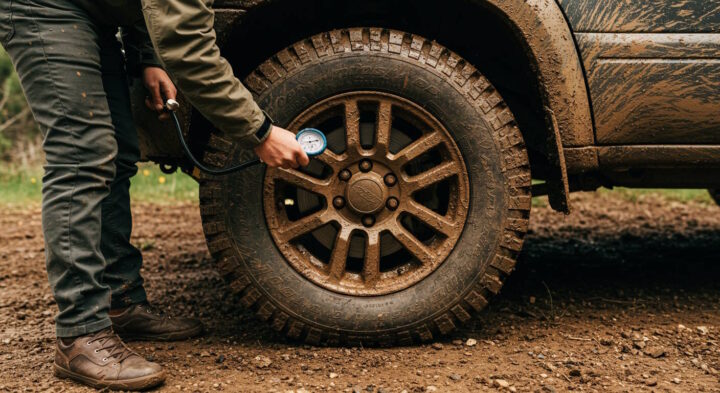
Tyres represent one of the most significant ongoing maintenance costs for rural L4WDs. Regular rotation (every 5,000-10,000 kilometres) ensures even wear and extends tyre life. Inspect tyres weekly for cuts, punctures or embedded objects, particularly after off-road driving.
Maintain correct tyre pressures for the conditions in which you’re operating. While lower pressures improve off-road traction, remember to reinflate to manufacturer specifications when returning to sealed roads, otherwise tyres will overheat, leading to extra degradation.
Preventative Maintenance
Preventative maintenance is particularly important for rural vehicles, where breakdowns can occur far from assistance. Consider replacing key components like timing belts before manufacturer-recommended intervals, particularly if the vehicle is used for critical farm or business operations.
Keep common spare parts on hand, including filters, belts, hoses and fluids. For remote operations, consider carrying more comprehensive spare parts such as alternators, water pumps or fuel filters.
Anything Else?
Remember to look after yourself, too! If you get stranded in the wilderness, you need to be strong enough to change a tyre, for example.
4WD vehicles operating in rural New Zealand environments require maintenance schedules significantly more rigorous than standard manufacturer recommendations. By implementing a structured maintenance programme tailored to your specific operating conditions, you can maximise reliability, extend vehicle life, and reduce the likelihood of costly breakdowns.
Remember that maintenance is an investment, not an expense. The cost of preventative maintenance is always lower than the combined costs of repairs, downtime and potential safety issues that result from neglect. For business operators, a well-maintained fleet is essential for both profitability and compliance with health and safety obligations.
You can learn about this and more in our 4WD training course.


Darren has written over 3000 articles about driving and vehicles, plus almost 500 vehicle reviews and numerous driving courses. Connect with him on LinkedIn by clicking the name above