Operating EWPs safely and legally requires proper certification and adherence to specific regulations.
Key Regulatory Framework
The legal requirements for EWP operation in New Zealand are primarily governed by the Health and Safety at Work Act 2015 (HSWA) and its associated regulations. This legislation places significant responsibilities on Persons Conducting a Business or Undertaking (PCBUs) to ensure that all machinery operations, including EWPs, are conducted safely and by properly qualified personnel.
Under these regulations, anyone who operates an EWP must have had EWP training to reduce accident risks, and ultimately save businesses from the substantial costs associated with workplace incidents.
This can be unit standards or competency-based training, depending on the company’s requirements.
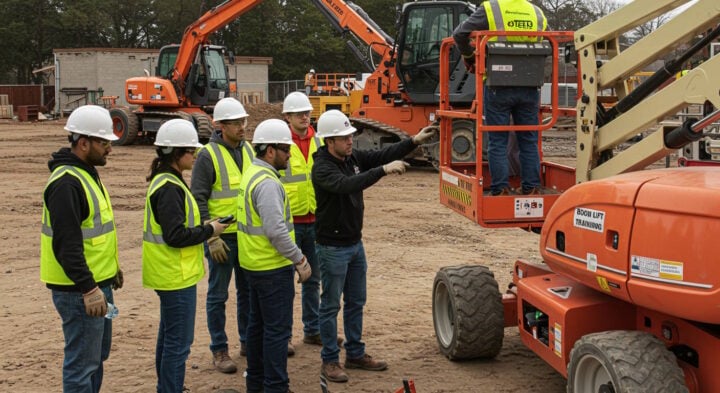
Training programs generally cover critical areas such as pre-operational inspections, identification of hazards, understanding of load limitations, emergency procedures, and proper operation techniques. The comprehensive nature of this training ensures that operators are fully prepared to handle both routine operations and emergency situations.
Certification Renewal and Ongoing Compliance
In New Zealand, operating a scissor lift or boom lift requires strict adherence to certification requirements that ensure both safety and legal compliance. Every machine must possess a valid certificate of compliance, which involves regular inspections conducted by qualified professionals.
The certification system operates on two primary schedules. For routine operations, EWPs require a six-monthly inspection certificate, commonly known as a Certificate of Fitness (COF). This mandatory assessment ensures the equipment remains safe and fit for purpose throughout regular use. Additionally, scissor lifts that have been in service for ten years or more require a major inspection certificate, with subsequent major inspections needed every five years thereafter. These comprehensive examinations provide a more thorough assessment of the equipment’s condition and structural integrity.
All inspections must be performed by competent technicians who hold CBIP (Competency Based Inspection Person) qualifications. This requirement ensures that only properly trained professionals assess the equipment’s safety and compliance status. When an EWP has been manufactured recently, a Manufacturer’s Certificate of Compliance serves as proof that the machine meets relevant industry standards, particularly when the original manufacturer remains in business and can verify the equipment’s specifications.
These certificates serve dual purposes in workplace safety management. Primarily, they demonstrate that the scissor lift has undergone proper examination and maintains sound operational condition. Equally importantly, the certification process confirms that the equipment meets the requirements established in WorkSafe’s Best Practice Guidelines for Mobile Elevating Work Platforms (MEWPs), ensuring regulatory compliance.
Obtaining and maintaining proper certification requires a systematic approach. Equipment owners must engage service providers who employ CBIP-qualified technicians, ensuring inspections meet professional standards. Scheduling inspections according to the appropriate timeframe, whether six-monthly or major inspection cycles, keeps equipment compliant and operational. Upon completion of inspections, the scissor lift should display a current certification sticker or plate that provides immediate visual confirmation of compliance status.
Proper record-keeping forms an essential component of the certification process. Equipment owners should maintain comprehensive documentation and ensure that operators complete pre-operation inspections, with these checks recorded in the equipment’s logbook. This documentation creates an audit trail that demonstrates ongoing attention to safety and compliance requirements, supporting both workplace safety culture and regulatory obligations.
Risk Management and Insurance Implications
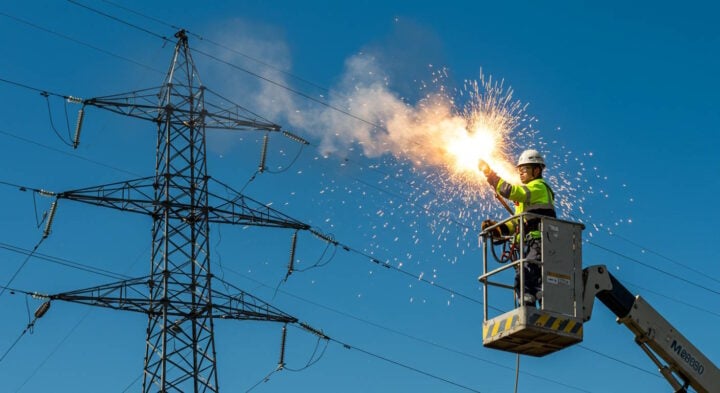
Operating EWPs without proper certification significantly increases legal and financial risks for businesses. Insurance policies typically require compliance with all relevant regulations.
The investment in proper training and certification pays dividends through improved operational efficiency, reduced downtime, and the prevention of costly workplace incidents. For businesses operating in any sector that utilises EWPs, maintaining current certification for all EWPs should be considered an operational priority rather than a regulatory burden.


Darren has written over 3000 articles about driving and vehicles, plus almost 500 vehicle reviews and numerous driving courses. Connect with him on LinkedIn by clicking the name above