The safety of EWPs is heavily dependent on proper stabilisation. For some models with extended reach, outriggers and stabilisers are critical components that ensure the platform remains steady during operation, preventing dangerous tipping incidents that could lead to serious injuries or fatalities. Understanding how to properly deploy and use these support systems is fundamental to safe EWP operation and workplace productivity.
Understanding Outriggers and Stabilisers
What Are They?
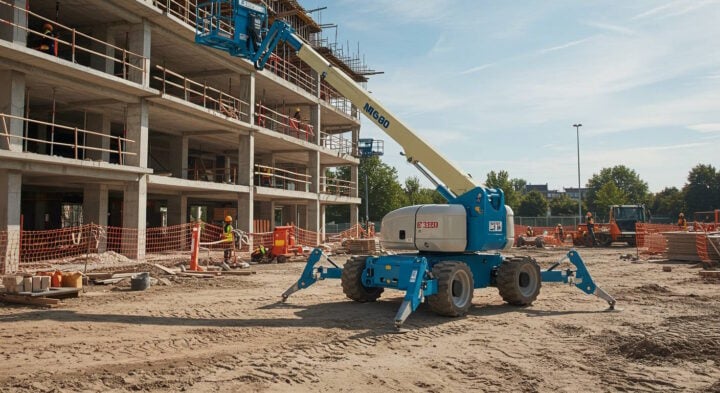
Outriggers and stabilisers are extendable legs or supports that increase the effective base area of an EWP. They distribute the machine’s weight over a larger surface area, providing greater stability, especially when the platform is elevated or extended horizontally. Different types of EWPs, such as trailer-mounted boom lifts, truck-mounted platforms, and some self-propelled scissor lifts, come equipped with these systems to ensure safety and stability during operation.
Even though truck-mounted platforms are heavy, the deformable suspension and tyres mean that it leans easily without outriggers, increasing the risk of a rollover accident.
Types of Stabilisation Systems
EWPs may feature different stabilisation systems depending on their design and intended use:
Fixed Outriggers: These extend from the chassis and must be fully deployed before platform elevation.
Automatic Levelling Systems: Some modern EWPs feature systems that automatically deploy and level the platform on uneven surfaces.
Stabiliser Legs: Commonly found on trailer-mounted and truck-mounted platforms, these must be positioned correctly before any elevation occurs. Blocking pads are often required to spread the load on soft surfaces.
Pre-Operation Assessment
Site Evaluation
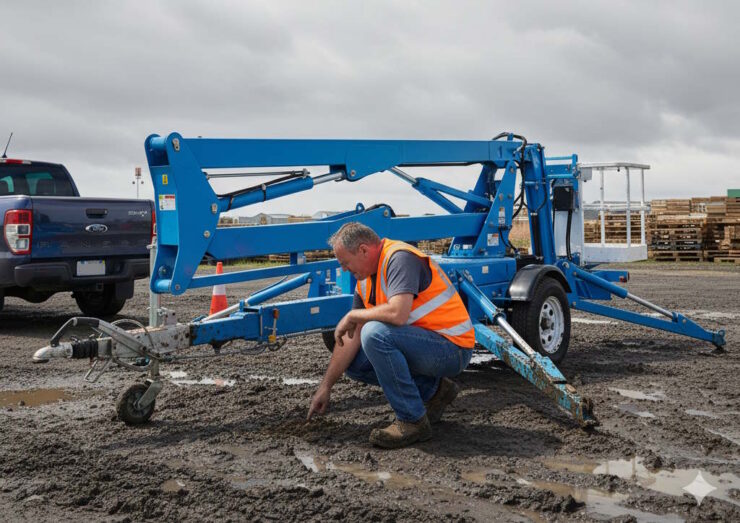
Before deploying outriggers or stabilisers, operators must conduct a thorough site assessment. This includes:
Ground Conditions: Inspect the area for soft ground, backfilled trenches, underground services, or voids that might compromise stability.
Surface Slope: Determine if the ground is within the manufacturer’s specified gradeability limits. Most EWPs have inclinometers or level indicators to assist with this assessment.
Overhead Obstructions: Ensure there are no overhead hazards such as power lines, building structures, or tree branches that could interfere with operations.
Traffic and Pedestrian Flow: Establish whether the positioning of the EWP with extended outriggers will obstruct people or vehicle movements.
Proper Deployment Techniques
Setting Up Outriggers
Proper deployment of outriggers involves several critical steps:
Full Extension: Always extend outriggers to their full position as specified by the manufacturer. Partial deployment compromises stability and may bypass safety interlocks.
Positioning on Firm Ground: Place outriggers on solid, level ground. Avoid positioning them near edges, excavations, or on utility covers.
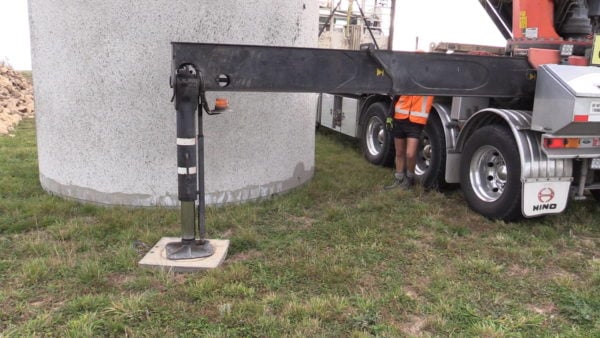
Use of Spreader Plates/Blocking Pads: When working on softer surfaces, use appropriately sized spreader plates under each outrigger foot to distribute the load over a greater area. These plates should be made of suitable materials, such as steel or timber, that provide adequate support.
Level Positioning: Use the EWP’s level indicators to ensure the platform is perfectly level before elevation. Many modern EWPs have interlocks that prevent elevation if the machine is not level.
Key Safety Interlocks
Most EWPs are equipped with safety interlocks that prevent operation unless outriggers are properly deployed:
Elevation Interlocks: These systems prevent the platform from being raised unless all outriggers are correctly positioned.
Movement Interlocks: On some models, these prevent the machine from being driven or moved while outriggers are deployed.
Automatic Cut-offs: Systems that automatically stop operation if the EWP exceeds its safe working angle.
Understanding and respecting these safety systems is essential for safe operation.
Common Mistakes and Risks
Hazards of Improper Stabilisation
Failing to properly deploy outriggers or stabilisers can lead to several serious hazards:
Tipping Incidents: The most severe risk is the EWP tipping over, which can result in catastrophic injuries or fatalities.
Structural Damage: Improper support can cause stress on the EWP structure, potentially leading to component failure.
Surface Damage: Without proper spreader plates, outriggers can damage surfaces such as asphalt, concrete, or landscaped areas.
Avoiding Common Errors
Operators should be vigilant about avoiding these common mistakes:
Partial Deployment: Never partially deploy outriggers to save space. This compromises stability and is extremely dangerous.
Ignoring Ground Conditions: Always assess and address ground conditions before setting up.
Bypassing Safety Systems: Never override or bypass safety interlocks designed to prevent operation without proper stabilisation.
Failing to Use Spreader Plates: Always use appropriate spreader plates on soft or uneven surfaces.
Best Practices for Specific EWP Types
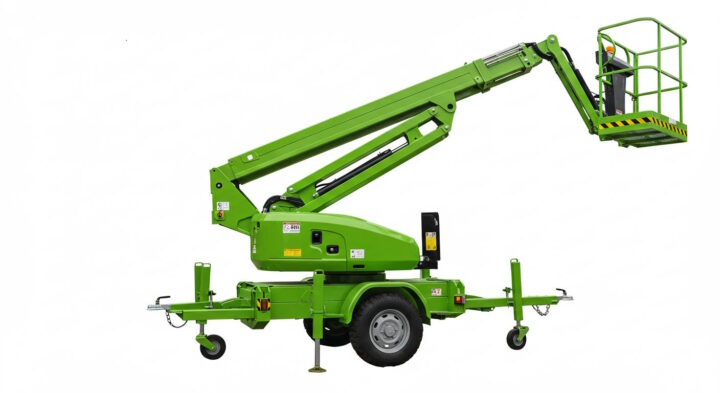
Trailer-Mounted Platforms
These platforms require specific attention to stabilisation:
Unhitch from Towing Vehicle: Always disconnect from the towing vehicle before deploying outriggers and elevating the platform.
Deploy All Outriggers: Ensure all outriggers are fully extended and in firm contact with the ground or spreader plates.
Check Level: Use the bubble or electronic level indicators to confirm the platform is level before operation.
Truck-Mounted Platforms
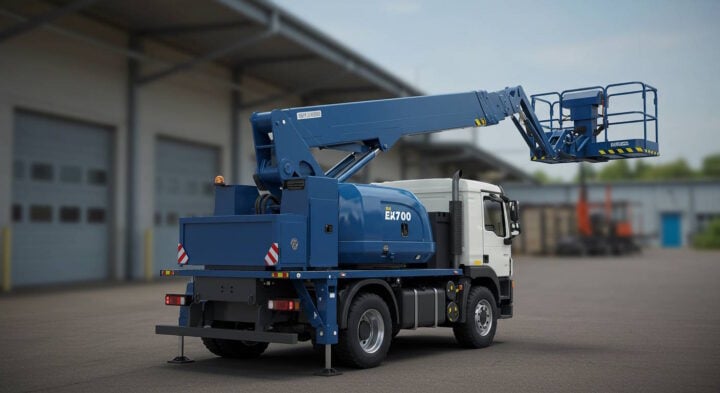
For truck-mounted EWPs, consider these additional factors:
Parking Brake: Always engage the parking brake before deploying outriggers.
Vehicle Stability: Consider the overall stability of the vehicle. Even with outriggers deployed, be aware of the vehicle’s weight distribution.
Surface Slope: Be particularly cautious on slopes, as the higher centre of gravity creates greater tipping risks.
Self-Propelled Scissor Lifts
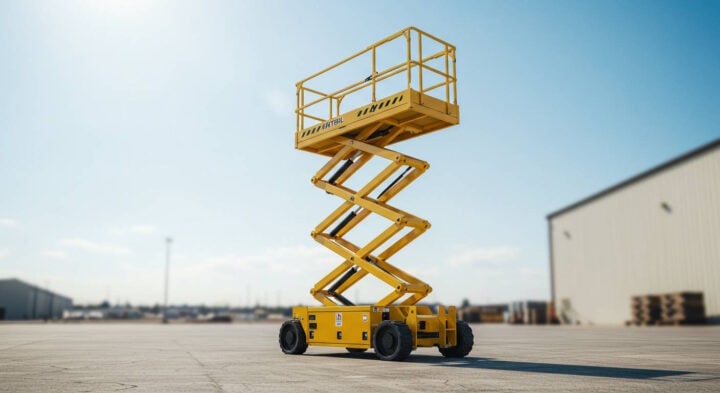
While not all scissor lifts have outriggers, those that do require proper deployment:
Weight Distribution: Ensure loads on the platform are evenly distributed.
Stabiliser Deployment: If equipped with stabilisers, ensure they are properly deployed on firm surfaces.
Travel Position: Ensure stabilisers are fully retracted before attempting to move the lift.
Workplace Productivity Benefits
Safety and Efficiency
Properly deployed outriggers and stabilisers offer significant business benefits:
Reduced Accident Risk: Proper stabilisation dramatically reduces the risk of tipping incidents, protecting workers and preventing costly accidents.
Increased Operational Efficiency: Workers who feel secure on properly stabilised platforms tend to work more efficiently and confidently.
Extended Equipment Life: Correct use of stabilisation systems reduces stress on EWP components, potentially extending equipment lifespan and reducing maintenance costs.
Regulatory Compliance: Adhering to proper stabilisation procedures ensures compliance with health and safety regulations, avoiding potential fines and penalties.
Emergency Procedures
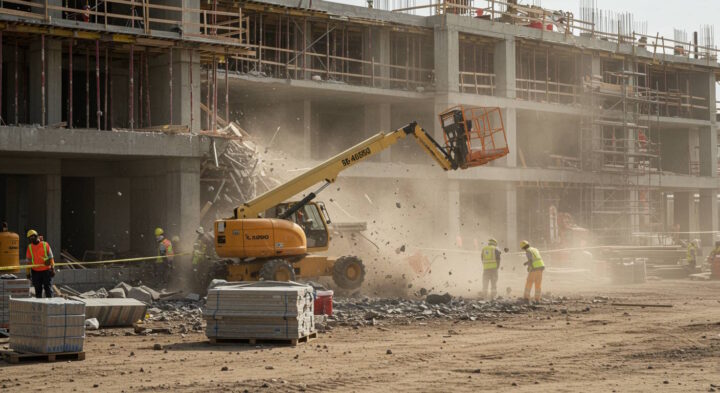
Response to Stabilisation Issues
Operators should know how to respond if stabilisation issues arise during operation:
Loss of Level: If the EWP begins to lose level while elevated, operators should cease all movement and gradually lower the platform if safe to do so.
Sinking Outriggers: If outriggers begin to sink or shift, the platform should be lowered immediately, and the situation reassessed.
Rescue Plans: Workplaces should have emergency rescue plans in place for situations where the EWP cannot be safely lowered due to stabilisation issues.
Conclusion
The proper use of outriggers and stabilisers is not merely a regulatory requirement; it’s a fundamental aspect of safe and productive EWP operation. By understanding the principles of stabilisation, conducting thorough pre-operation assessments, and following manufacturer guidelines for deployment, operators can significantly reduce the risk of accidents while maximising workplace efficiency.
Businesses that prioritise proper training and adherence to best practices for outrigger and stabiliser use not only protect their workers but also enhance productivity, extend equipment lifespan, and avoid the significant costs associated with workplace accidents. In the end, stability is not just about keeping the platform level—it’s about elevating your business’s safety culture and operational excellence.


Darren has written over 3000 articles about driving and vehicles, plus almost 500 vehicle reviews and numerous driving courses. Connect with him on LinkedIn by clicking the name above