Performing crane operations in low-light conditions presents safety challenges for operators and ground personnel alike. Whether working in the early morning, evening, or in poor weather conditions with reduced visibility, the risks associated with lifting operations are amplified when visibility is compromised.
Implementing proper safety measures is essential to prevent accidents and ensure regulatory compliance with the Health and Safety at Work Act.
Understanding the Risks
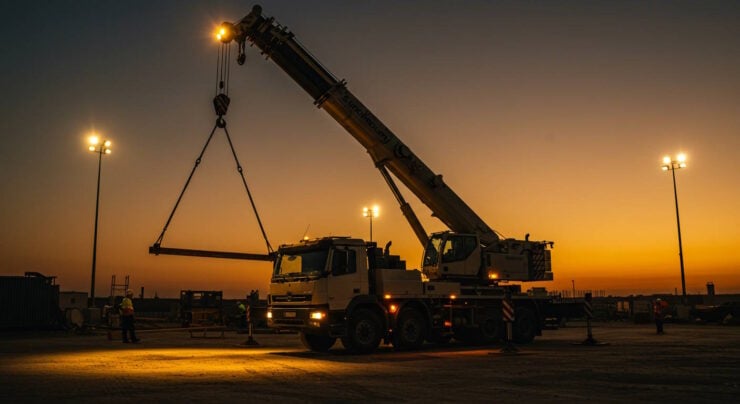
Low light conditions impact a crane operator’s ability to assess surroundings, identify hazards, and maintain visual contact with loads and ground personnel. The Approved Code of Practice for Cranes emphasises that visibility is a critical factor in safe operation. When light levels are reduced, depth perception becomes impaired, making it difficult to judge distances accurately. Colour perception is gradually reduced and objects become gradually grey, then black. Additionally, shadows can obscure important details such as the position of personnel or obstacles in the lifting path. Looking at
Under these conditions, operators may struggle to see hand signals from dogmen, increasing the risk of miscommunication. The ability to identify potential hazards such as overhead power lines, which must maintain a minimum clearance of 4 metres, becomes more challenging. Furthermore, inspection of equipment and rigging gear prior to operation becomes more difficult, potentially allowing defects to go unnoticed.
Planning Considerations
Before conducting lift operations in low-light conditions, thorough planning is essential. The Crane Safety Manual provides guidance on pre-lift assessments. These should include specific considerations for low-light operations.
A comprehensive lifting plan should identify all hazards related to reduced visibility and outline appropriate control measures. The plan should determine whether the lift can proceed safely or if it should be postponed until better light conditions prevail. When planning lifts that might extend into low-light periods, allowances should be made for the additional time needed to perform operations safely.
For routine lifting operations in low light, a standard operating procedure should be developed that addresses the specific challenges and controls. This should form part of the site’s health and safety management system and be communicated to all involved personnel.
Site Illumination
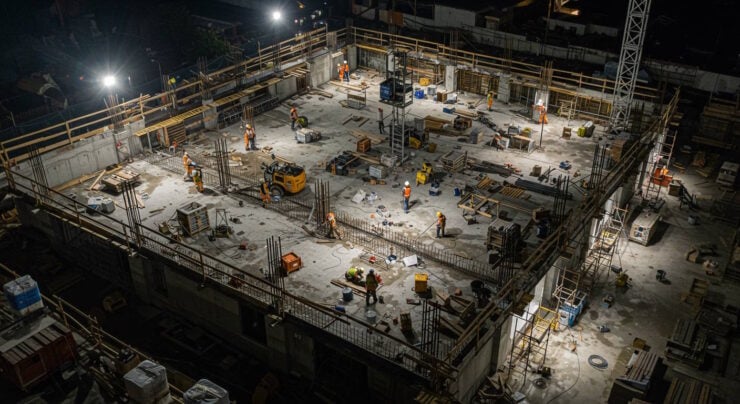
Adequate lighting is the primary control measure for low-light operations. Temporary lighting systems should be positioned to illuminate the entire working area, including the load path, landing zone, and areas where personnel will be operating. Care must be taken to position lights to minimise glare that could affect the operator’s vision or create misleading shadows. If bright light shines in the operator’s eyes, the pupils constrict and it compromises the operator’s vision for several minutes afterwards.
For mobile cranes and truck loader cranes, auxiliary lighting mounted on the crane itself can provide additional illumination of the immediate working area. Tower cranes should have proper lighting of the hook block to aid the operator in maintaining visual contact with the load. The lighting systems should be powered independently where possible to ensure they remain operational even in the event of a power failure.
When setting up lighting, consideration should be given to avoiding light pollution that might affect surrounding areas or create distractions for other operations or nearby traffic. Regular maintenance of lighting systems is essential to ensure consistent performance.
Enhanced Communication
Two-way radios should be utilised to ensure reliable communication between the crane operator and dogman. A standardised set of verbal commands should be established, and all personnel involved should be trained in their use.
Where hand signals are still used, high-visibility gloves or wands can enhance the visibility of these signals. Some operations may benefit from the use of light-emitting signal devices specifically designed for low light conditions.
When multiple lifting operations are occurring simultaneously, each communication channel should be clearly identified to prevent confusion. A designated supervisor should oversee all communication to ensure messages are received and understood correctly.
Personal Protective Equipment
All personnel involved in lifting operations during low-light conditions must wear appropriate high-visibility clothing. Class D high-visibility garments, which include reflective strips, are particularly effective in low-light conditions. These should be supplemented with personal lighting devices such as headlamps to improve visibility.
Safety helmets with reflective strips or markers can help operators maintain awareness of ground personnel positions. Similarly, marker lights can be attached to loads to help track their movement during lifting operations.
Training Requirements
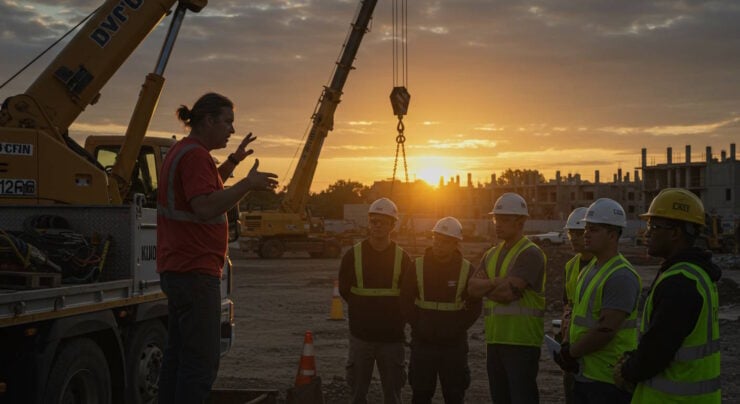
Operators and ground personnel should receive specific training for working in low-light conditions. This should include practical exercises conducted during actual low-light conditions to familiarise them with the challenges they will face.
Training should cover the proper use of lighting equipment, enhanced communication protocols, and emergency procedures specific to low light operations. Operators should be instructed on the visual limitations they will experience and techniques to compensate for these limitations.
Regular refresher training should be conducted, particularly for personnel who do not frequently work in low-light conditions. Mock exercises simulating emergency scenarios in low-light conditions can help prepare crews for potential incidents.
Operators should have a rigging and slinging qualification.
Technology and Equipment Considerations
Modern technologies can significantly improve safety during low-light operations. Camera systems mounted on the crane can provide the operator with alternative viewing angles and enhanced visibility of blind spots. Some systems include infrared or thermal imaging capabilities that can function effectively in very low light conditions.
Load moment indicators and other safety devices should be properly illuminated and calibrated for low-light operations. The cab instrumentation should have adjustable lighting to prevent glare while ensuring gauges and displays remain readable.
For critical or complex lifts, consider using computerised lift planning software that can provide detailed visualisations of the lift path and potential obstacles. This can help identify issues before the actual lift begins.
Weather Considerations
Adverse weather conditions, such as fog, rain, or snow, reduce visibility. The decision to proceed with lifting operations should take into account the combined effect of all environmental factors.
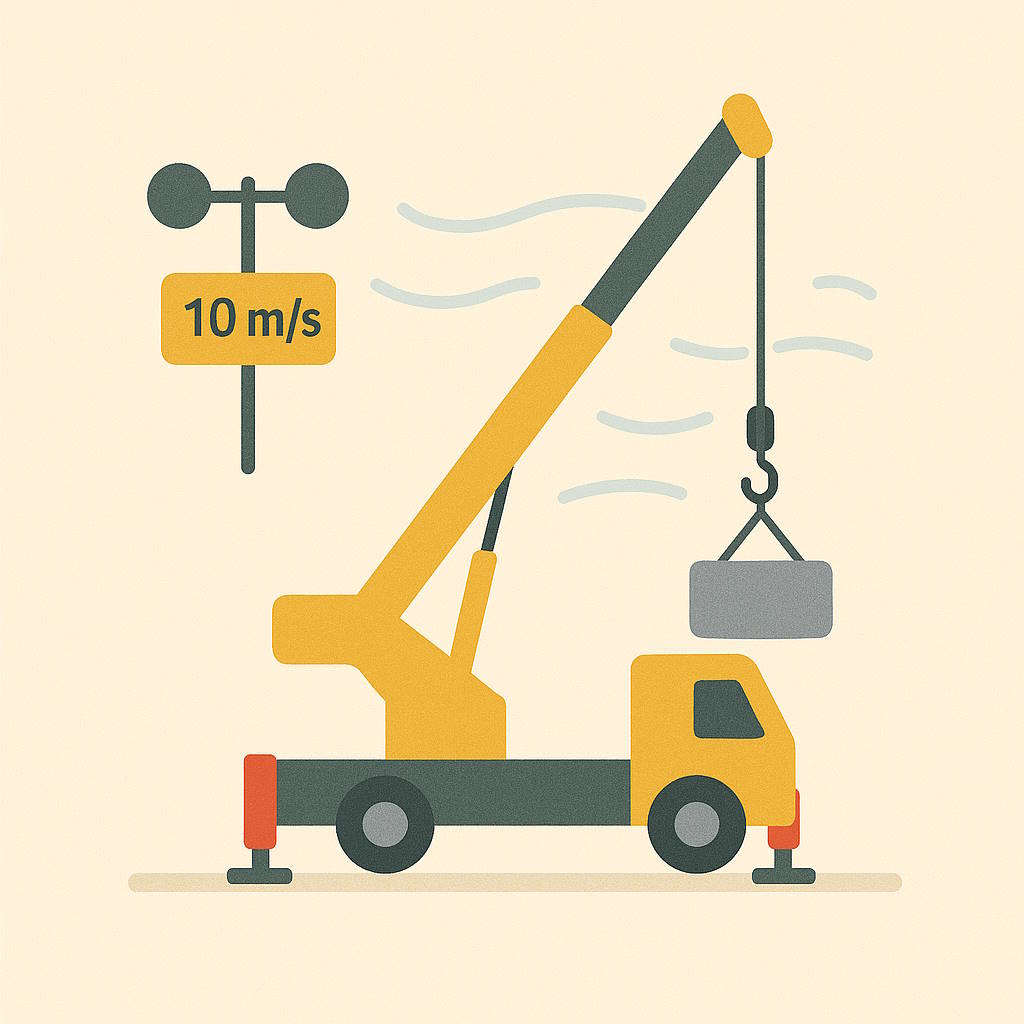
Wind speeds should be carefully monitored, as their effects can be more difficult to assess visually in low light. Anemometers should be checked regularly, and operations halted if wind speeds approach the manufacturer’s specified limits for the crane.
In conditions where visibility is compromised by both low light and weather factors, lifting operations should be postponed unless absolutely necessary, and then conducted with additional controls in place.
Conclusion
Safe lifting operations in low-light conditions require careful planning, appropriate equipment, clear communication, and well-trained personnel. By implementing the measures outlined above, companies can significantly reduce the risks associated with crane operations when visibility is limited.
The Health and Safety at Work Act places a duty on employers to take all practicable steps to ensure the safety of employees and others in the workplace. This includes identifying and managing the specific risks associated with low-light lifting operations. By developing and implementing comprehensive procedures for these conditions, employers can fulfil their legal obligations while maintaining operational efficiency and protecting their workforce.
Remember that the ultimate decision to proceed with a lift should always prioritise safety over operational deadlines. If conditions prevent a lift from being conducted safely, postponement is the responsible choice.


Darren has written over 3000 articles about driving and vehicles, plus almost 500 vehicle reviews and numerous driving courses. Connect with him on LinkedIn by clicking the name above