• A TR Group Site
  • Help
  • Cart
Driving Tests DT logo small
Driving tests
  • Learner licence
    • Car
    • Motorbike
    • Heavy vehicle
    • Learner Licence Plus
  • Courses
  • Tourist
  • Resources
  • Learn
  • Resources
  • Learner licence
    • Car
    • Motorbike
    • Heavy Vehicle
    • Learner Licence Plus
  • Your courses
    • Enrolled courses
  • View all courses
  • Tourist
  • Resources home
  • iOS application
  • Android application
  • Contact us
  • Terms and conditions
  • Privacy
  • Home
  • /
  • Resources
  • / Cranes: Truck Loader, Gantry and Mobile

Cranes: Truck Loader, Gantry and Mobile Resources

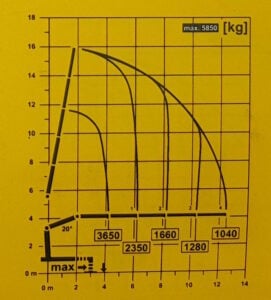
Interpreting Manufacturer Load Capacity Specifications

Correctly interpreting load capacity specifications is one of the most critical aspects of crane operation, and something that is covered in-depth in truck loader crane training. Misinterpretation can lead to dangerous overloading situations, potentially causing equipment failure, damage to property,…

Read more ›

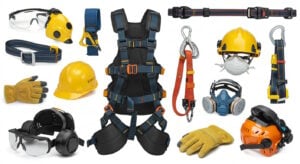
Collection of Personal Protective Equipment (PPE) including safety harness, hard hats, gloves, safety glasses, respirators, ear protection, and safety belts.

PPE Requirements for Truck Loader Crane Operators and Ground Crew

Operating a truck loader crane involves various hazards that can be mitigated through proper PPE use. Here’s the essential protective equipment required for truck loader crane operations based on New Zealand health and safety regulations and industry best practices. Mandatory…

Read more ›

The Future of Gantry Cranes: AI, IoT and Other Integrations

In recent years, we have witnessed significant advancements in gantry crane design, particularly for specialised industries where standard lifting solutions are insufficient. Safety-Oriented Design Features Overload protection systems have become increasingly sophisticated, with load moment indicators that constantly calculate the…

Read more ›

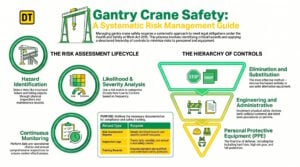
Risk Assessment Methods for Gantry Crane Operations

Gantry crane operations present significant workplace hazards that require thorough risk assessment to ensure the safety of workers, equipment and materials. The Health and Safety at Work Act 2015 places obligations on businesses to manage risks by eliminating health and…

Read more ›

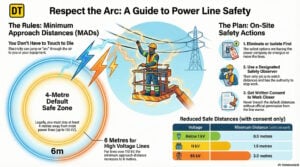
Working Near Power Lines: The Danger You Can’t Always See

Falls aren’t the only thing that can kill workers at height or those using a MEWP. When you’re working anywhere near overhead power lines, you’re dealing with a hazard that’s silent, invisible, and absolutely unforgiving. Electricity doesn’t care about your…

Read more ›

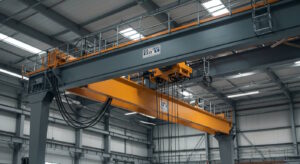
Overhead gantry crane inside an industrial warehouse, featuring a large yellow beam with a hoist mechanism, suspended from a grey structural support.

The economics of gantry crane ownership vs. leasing or financing

For businesses involved in manufacturing, construction, warehousing, and logistics, gantry cranes are essential equipment for lifting and moving heavy loads. The decision to purchase, lease or rent gantry cranes represents a significant strategic choice with substantial financial implications. When purchasing,…

Read more ›

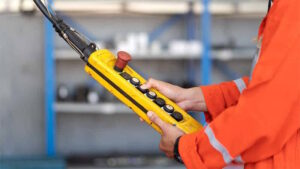
Radio Control Systems vs. Pendant Controls for Gantry Cranes

Gantry cranes come with different control systems, with the two most common being pendant controls and radio controls. Each system has distinct characteristics, advantages, and limitations that operators and businesses should consider when selecting the most appropriate option for their…

Read more ›

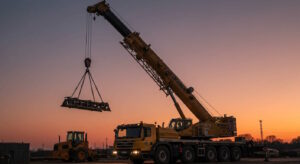
A large yellow mobile crane is lifting a heavy steel framework at a construction site during sunset. The crane is fully extended, and the load is suspended by multiple chains for balanced hoisting. A bulldozer is parked nearby, and the sky is lit with hues of orange and purple, creating a dramatic backdrop. The scene captures the power and precision of heavy equipment in industrial operations.

Safe Lifting Operations in Low Light Conditions

Performing crane operations in low-light conditions presents safety challenges for operators and ground personnel alike. Whether working in the early morning, evening, or in poor weather conditions with reduced visibility, the risks associated with lifting operations are amplified when visibility…

Read more ›

Detailed view of a heavy-duty overhead crane hook suspended by a strong metal chain inside an industrial facility. The yellow crane structure and steel roof beams are visible, highlighting the robust engineering of the lifting mechanism.

Key Safety Features Every Gantry Crane Should Have

The safe operation of gantry cranes is paramount to prevent accidents, protect workers, and maintain operational efficiency. This article outlines the critical safety features that every gantry crane should have to ensure safe operation. Structural Integrity and Design Features The…

Read more ›

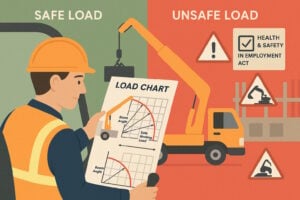
Illustration split into two sections: the left side shows a worker in safety gear holding a load chart under the "SAFE LOAD" label, with a properly loaded crane and compliant boom angle. The right side, labeled "UNSAFE LOAD", shows a crane in an overextended position, surrounded by warning signs and a reference to the "Health & Safety in Employment Act", highlighting the consequences of ignoring safe working load guidelines.

Interpreting Load Charts: Essential Skills for Safe Operation

The correct interpretation of load charts is a fundamental skill for crane operators. In New Zealand, where cranes are extensively used across construction, manufacturing, and logistics sectors, this knowledge is not merely beneficial; it is essential for safe operation. Load…

Read more ›

The Evolution of Gantry Cranes in Modern Manufacturing

Gantry cranes have undergone significant transformations since their inception in early industrial applications. Originally developed as simple overhead lifting mechanisms, these versatile machines have evolved into sophisticated systems that form the backbone of modern manufacturing operations. The earliest gantry cranes…

Read more ›

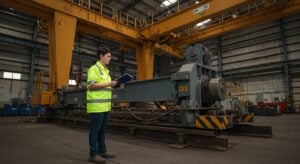
A female engineer wearing a high-visibility safety jacket and holding a clipboard inspects a large industrial crane component on rails inside a spacious warehouse. Overhead gantry cranes dominate the background, indicating a heavy equipment inspection or assessment process.

Pre-Operational Inspection Checklist for Gantry Crane Operators

Pre-operational inspections are critical to ensure the safe operation of gantry cranes. These inspections help identify potential issues before they become serious problems or cause accidents. As a gantry crane operator, you have a legal responsibility under the Health and…

Read more ›

Common Gantry Crane Accidents and How to Prevent Them

Gantry cranes enable the lifting and moving of heavy loads across a fixed area. While these machines enhance productivity and efficiency, they also present significant hazards if not operated correctly. Understanding common gantry crane accidents and implementing preventive measures is…

Read more ›

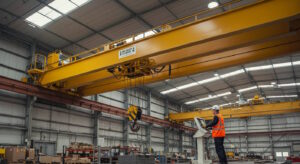
A worker in a safety vest and helmet operates an overhead crane using a control station inside a large industrial warehouse. The bright yellow double-girder overhead crane is suspended from the building structure and equipped with a heavy-duty hook block. The facility is well-lit with shelves and machinery in the background.

Training Requirements for Gantry Crane Operators in New Zealand

The operation of gantry cranes comes with significant risks if not performed correctly. To ensure workplace safety and compliance with New Zealand regulations, proper training is essential for all gantry crane operators. Regulatory Framework In New Zealand, the operation of…

Read more ›

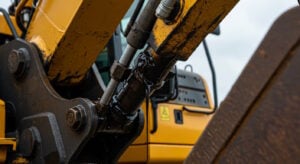
A close-up of a hydraulic system on a yellow excavator, showing a significant hydraulic oil leak from a damaged or loose hydraulic fitting. The black oil is visibly dripping down the metal components, covering the hydraulic cylinder and hoses. The background features the excavator’s cabin, with warning labels indicating maintenance concerns.

Why do hydraulic pumps make different sounds in heavy machinery?

When you’re operating machinery like excavators, loaders, truck loader cranes and forklifts, the sounds your hydraulic pumps make can tell you a lot about how your machine is running. Just like a doctor listens to your heartbeat, experienced operators listen…

Read more ›

How does wind speed affect sideloaders, forklifts, EWPs and truck loader cranes?

Four different vehicles, but one risk factor that needs to be considered before operating or lifting with them. The bigger the object being carried, the more wind resistance it creates, so the more force will be exerted on the machine.…

Read more ›

Which is best – a telescopic boom crane or a knuckle boom crane?

When you’re choosing a truck loader crane you have a choice of a telescopic boom crane or a knuckle boom crane. Telescopic boom cranes (also called straight boom cranes) have a cable and hook attached to a winch, while the…

Read more ›

How do you hire and drive a truck loader crane?

7 questions to ask yourself before hiring a truck loader crane How much lifting capacity do you need? How long does the deck need to be to accommodate your load? Do you need the crane at the rear of the…

Read more ›

Do you need to do a truck loader crane refresher course?

Truck loader crane operators are recommended to have unit standards 16617 Use a truck loader crane to lift and place regular goods and 30072 Demonstrate and apply knowledge of slinging regular loads safely, but it’s not a legal requirement to…

Read more ›

Do truck loader crane drivers need to keep a logbook?

There’s no requirement for mobile crane drivers to keep a driver work time logbook, but what about truck loader crane drivers? Most truck loader crane drivers should be filling out a work time logbook and, if not, at least recording…

Read more ›

‹ Older posts
Recent Resources
  • Issuing a permit to work: scope, inspection and isolation
  • Interpreting Manufacturer Load Capacity Specifications
  • PPE, safety equipment and hazardous substances in permitted work
  • How to find your real driving triggers (and why most drivers get it wrong)
  • PPE Requirements for Truck Loader Crane Operators and Ground Crew
  • Atmospheric testing for Permit Issuers as part of the permit to work system
  • The pre-drive routine: why the first few minutes of your driving shift matter most
  • What are outriggers or straddle legs on a forklift or electric pallet jack?
  • Preparing the worksite
  • What is a forklift paper roll clamp, and how does it work?

Licences and Courses

  • Car
  • Motorbike
  • Heavy Vehicles
Car
  • Core
  • Behaviour
  • Parking
  • Emergencies
  • Road position
  • Intersection
  • Theory
  • Signs
Motorbike
  • Bike-specific questions
  • Core
  • Behaviour
  • Parking
  • Emergencies
  • Road position
  • Intersection
  • Theory
  • Signs
Heavy Vehicles
  • Class 2
  • Class 3-5
  • Core
  • Behaviour
  • Parking
  • Emergencies
  • Road position
  • Intersection
  • Theory
  • Signs

Vehicle and workplace training

  • About
  • Resources
DT Driver Training TR Group
About
  • About us
  • Contact us
  • Privacy Policy
  • Terms and Conditions
Resources
  • Homepage
  • Driving Tests Android App
  • Driving Tests iPhone App
  • Getting your learner licence
DT Driver Training TR Group
Copyright 2010-2026 DT Driver Training Ltd, PO Box 12541, Penrose, Auckland, 1642. All rights reserved. Questions and images are used with permission from NZTA; question answers are proprietary.