
When purchasing a vehicle for rural conditions, the transmission type can significantly impact your driving experience. Historically, manual transmissions were the preferred choice for off-road and rural driving, offering greater control in challenging conditions. However, advancements in automatic transmissions have narrowed this gap considerably. The techniques in the field are something that we teach in our 4wd training course.
Manual Transmissions in Rural Environments
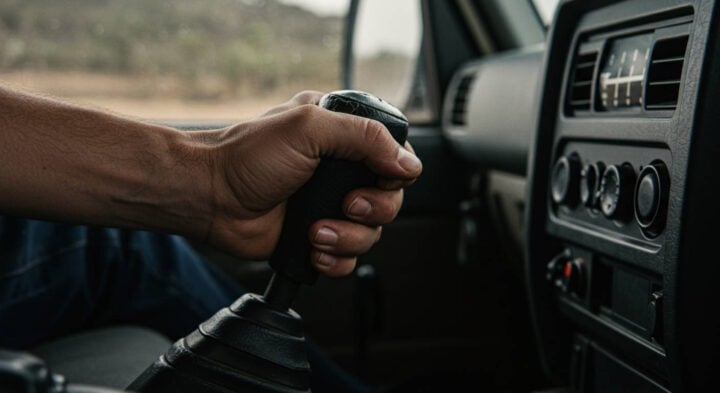
Manual transmissions have long been favoured in rural settings for several reasons. The direct mechanical connection between the engine and wheels provides drivers with precise control over power delivery, particularly valuable when navigating challenging terrain.
In difficult off-road situations, manual transmissions allow drivers to select the exact gear needed for specific conditions. This level of control is especially beneficial when traversing steep inclines or descents, where maintaining a consistent speed is crucial. By keeping the clutch engaged and selecting a low gear, drivers can utilise engine braking effectively, reducing wear on the brake system while maintaining greater control.
Manual transmissions also excel in situations requiring careful throttle modulation. When navigating across rocks, through mud, or over uneven surfaces, the ability to precisely control power delivery can make the difference between maintaining traction and becoming stuck.
Another advantage in rural settings is the ability to bump-start a vehicle with a flat battery. This self-recovery technique can be invaluable in remote locations where assistance may be hours away.
Automatic Transmissions: The Modern Contender
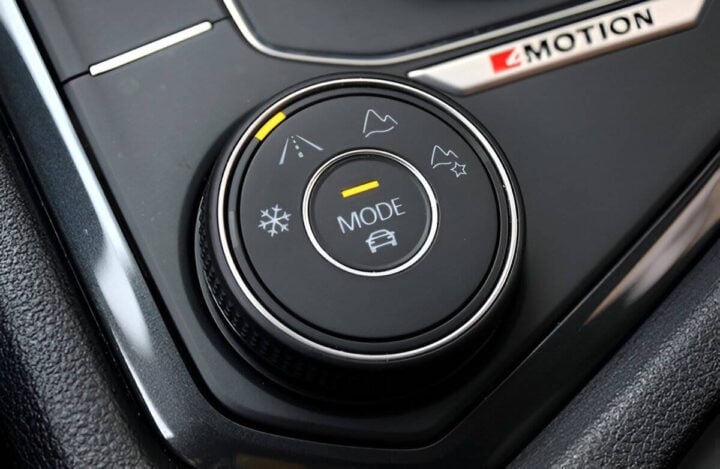
Modern automatic transmissions have evolved significantly, offering capabilities that rival or even surpass manual transmissions in many rural driving scenarios. Current automatic transmissions in light 4WD vehicles typically feature five to ten gear ratios, providing an excellent range for both highway driving and low-speed off-road manoeuvring.
One of the most significant advantages of automatics in rural settings is their ability to maintain consistent power delivery without requiring the driver to manage the clutch. This is particularly beneficial when driving on slippery surfaces where smooth, uninterrupted power can help maintain traction. Many modern automatic transmissions also feature manual shifting modes, allowing drivers to select gears manually when desired while retaining the convenience of automatic operation.
Automatic transmissions have also become more intelligent, with sophisticated electronic controls that can adapt to driving conditions. Features such as hill descent control and various terrain modes can automatically select the optimal gear ratio for specific conditions, reducing driver workload and potential for error.
For inexperienced drivers, automatics significantly reduce the learning curve and mental workload. Without needing to coordinate clutch, accelerator, and gear selection, drivers can focus more attention on reading the terrain and selecting the best driving line.
Comparing Performance in Specific Rural Conditions
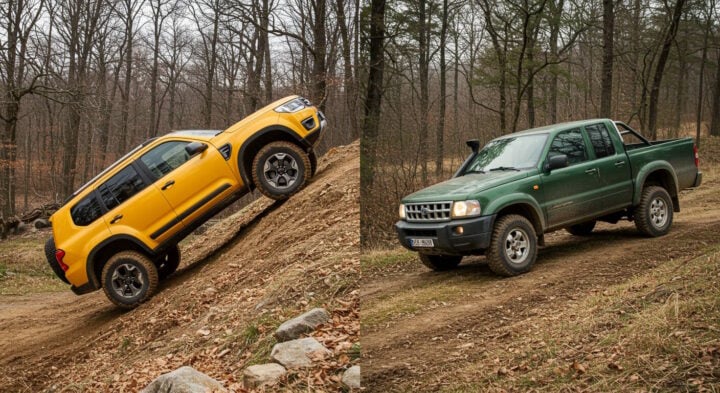
Hill Climbing
Manual transmissions allow drivers to select and maintain a specific gear, preventing unwanted upshifts that might interrupt power delivery. This can be crucial when momentum is needed to clear an obstacle.
Modern automatics, however, have become adept at maintaining appropriate gears during climbs, particularly when in low-range mode. Their ability to deliver smooth, continuous power without the risk of stalling can be advantageous, especially for less experienced drivers.
Descending Steep Terrain
For descending steep slopes, manuals traditionally held an advantage through superior engine braking. By selecting a low gear and keeping the clutch engaged, drivers could control descent speed with minimal brake input.
Modern automatics have largely closed this gap with dedicated hill descent control systems and the ability to manually select lower gears. Many can now provide comparable engine braking while eliminating the risk of stalling or rolling backward during slow descents.
Traversing Difficult Terrain
When driving slowly over rocks, ruts, or through mud, both transmissions offer advantages. Manuals provide precise throttle control but require skilful clutch management to prevent stalling. Automatics excel in maintaining slow, consistent forward progress without stalling, though they may occasionally hunt between gears in challenging conditions.
Practical Considerations for Rural Users
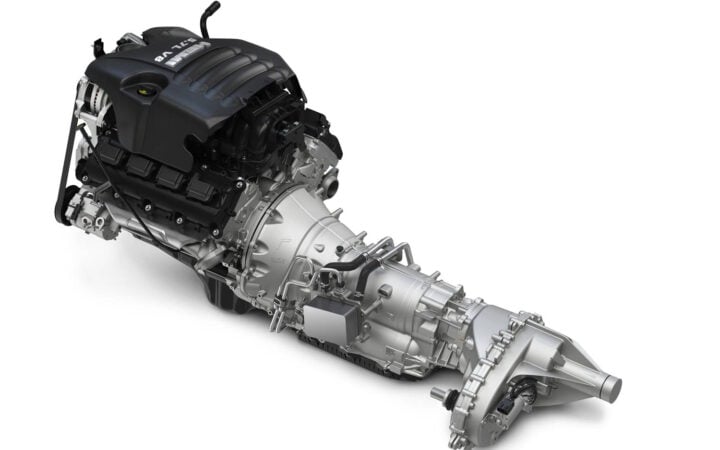
Beyond performance characteristics, practical considerations may influence your choice. Manual transmissions are typically less complex mechanically, potentially offering greater reliability and lower repair costs in remote areas. They also generally provide better fuel economy, an important consideration for rural drivers who may travel long distances.
Automatics, while historically less fuel-efficient, have made significant improvements in this area. They also reduce driver fatigue during long journeys on rough roads, as there’s no need to constantly operate the clutch pedal.
Finding Middle Ground: Manual Automatics
Many modern 4WD vehicles offer transmission systems that provide the best of both worlds. These include sequential manual modes in automatics, paddle shifters, and tiptronic-style selectors that allow drivers to manually control gear selection while retaining the convenience of an automatic.
Some vehicles also feature sophisticated terrain response systems that optimise transmission behaviour for specific conditions like mud, sand, or rocks, further blurring the distinction between manual and automatic control.
Conclusion
The choice between manual and automatic transmissions for rural settings ultimately depends on driver preference, experience level, and specific use cases. For drivers who regularly navigate challenging off-road conditions and value maximum mechanical control, a manual transmission may still be preferable. For those prioritising ease of use without significantly compromising capability, modern automatics represent an excellent choice.


Darren has written over 3000 articles about driving and vehicles, plus almost 500 vehicle reviews and numerous driving courses. Connect with him on LinkedIn by clicking the name above