
Selecting the right tyres for rural work vehicles is a critical decision that impacts safety, efficiency, and operating costs. For technicians working in diverse rural environments, understanding how to match tyre characteristics to specific operational needs is essential knowledge, and is often covered as part of 4WD training. This guide examines the key considerations for selecting appropriate tyres for light 4WD vehicles commonly used in rural settings.
Understanding Tyre Types and Their Applications
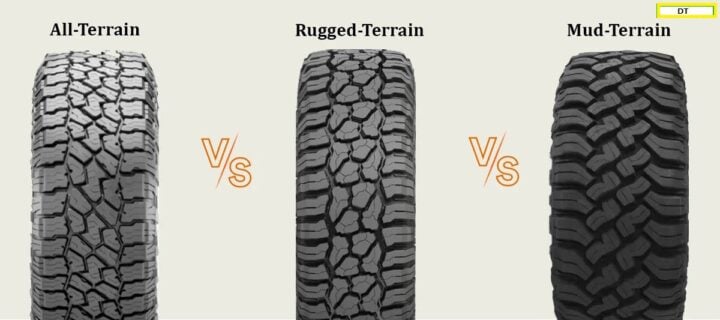
The primary categories of tyres suitable for rural work include highway terrain (HT), all-terrain (AT), and mud terrain (MT) options. Each is designed with specific performance characteristics that make them suitable for different conditions.
Highway terrain tyres feature a close tread pattern optimised for sealed roads. They provide excellent wet traction on tarmac, produce minimal road noise, and typically offer the longest wear life. However, their limited void ratio (the ratio between the tyre touching the road and the gaps between the tread blocks) means they quickly become clogged in muddy conditions, making them unsuitable for serious off-road work.
All-terrain tyres represent a practical compromise between on-road comfort and off-road capability. With moderate tread blocks and void ratios, these tyres perform adequately across various surfaces. They maintain reasonable road manners while providing sufficient grip in light to moderate off-road conditions. For rural technicians who split their time between sealed roads and farm tracks, all-terrain tyres often present the most versatile option.
Mud terrain tyres feature aggressive, open tread patterns with wide grooves designed for self-cleaning in challenging conditions. The larger lugs and increased void ratio provide superior traction in mud, loose soil, and over rough terrain. However, these benefits come with increased road noise, reduced on-road handling, and typically shorter tread life when used predominantly on sealed surfaces.
Tyre Construction Considerations
Most modern 4WD tyres utilise radial construction, which offers better road handling characteristics than the older cross-ply design. Radial tyres feature a ply construction laid in a radial pattern around the tyre carcass, providing a larger contact patch and improved heat dissipation.
While historically more susceptible to sidewall damage, modern radial tyres incorporate advanced materials like Kevlar to improve puncture resistance. Many designs now include sidewall lugs or protective patterns to deflect stakes and rocks, reducing the risk of sidewall ruptures in off-road environments.
Sizing and Load Ratings
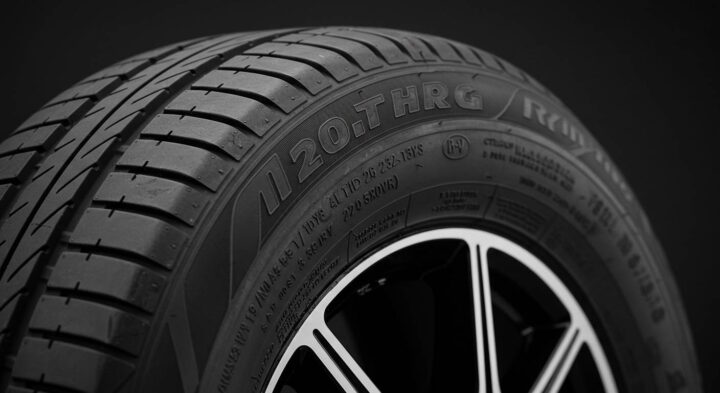
Correct tyre sizing is crucial for both safety and performance. The vehicle manufacturer’s recommended size serves as the baseline, though modest increases may be appropriate for specific applications. When considering larger tyres, be mindful that significant changes may require suspension modifications, affect speedometer accuracy, and potentially impact driveline components.
The load index indicates the maximum weight capacity of a tyre. For rural work vehicles that regularly carry equipment, supplies, or livestock, selecting tyres with an appropriate load rating is essential. Similarly, the speed rating must match the operational requirements of the vehicle.
Tread Pattern Selection Based on Environment

The predominant working environment should heavily influence tyre selection. For properties with well-maintained metal roads and minimal off-road requirements, highway terrain or mild all-terrain options may be sufficient. Properties with significant muddy areas, regularly flooded access roads, or challenging terrain will benefit from more aggressive tread patterns.
For winter operations in alpine regions or areas subject to snow and ice, tyres with the three-peak mountain snowflake symbol provide enhanced cold-weather performance. These tyres incorporate siping patterns and compound formulations specifically designed to maintain flexibility and traction in low temperatures.
Tyre Pressure Management
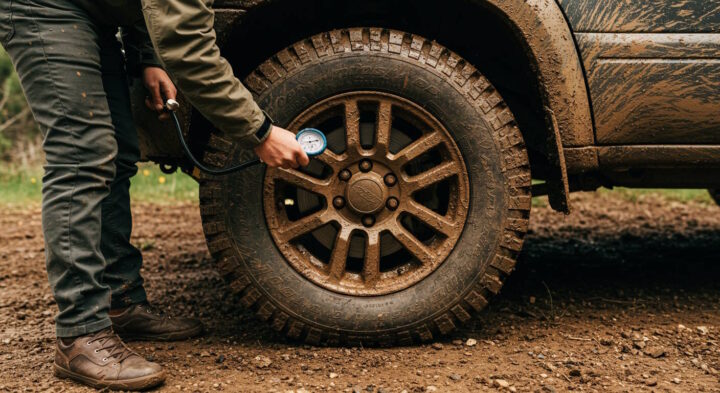
Regardless of the tyre type selected, proper inflation pressure is critical to performance and longevity. Rural technicians should be familiar with pressure adjustment techniques for different terrain types and understand how to properly reinflate tyres after off-road use.
Lowering tyre pressure increases the contact patch and often improves traction in challenging conditions. As a general rule, pressure can be reduced by 10-15% for gravel roads, 25% for muddy conditions, and up to 50% for sand driving. However, pressures should never be reduced below the manufacturer’s recommended minimum, typically around 0.8 bar (around 11 psi) for radial tyres.
After operating at reduced pressures, tyres must be reinflated to the manufacturer’s recommended on-road pressure before returning to highway speeds. Failure to do so can result in poor handling (it will feel like your vehicle is wandering all over the road and is not responsive in corners), excessive wear, and potential tyre failure as the increased contact patch causes the tyre to heat up quickly.
Maintenance Considerations
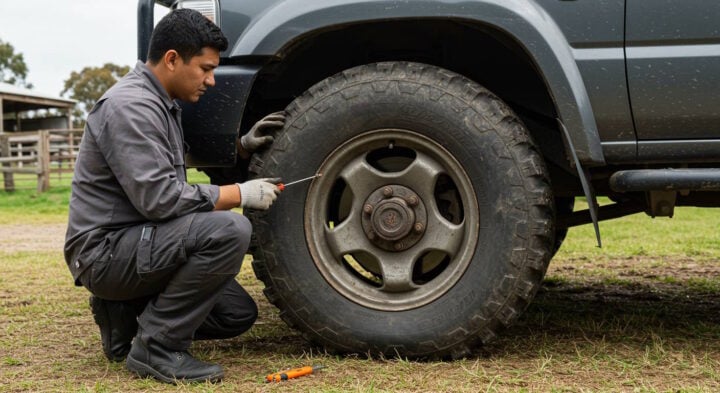
Regular inspection of tyres is essential for rural operations where vehicles encounter a variety of hazards. Technicians should check for cuts, punctures, bulges, and uneven wear patterns. Damage or excessive wear compromises safety and increases the risk of failure in challenging conditions.
Foreign objects trapped in the tread should be removed, and any significant damage should be professionally assessed. Tyre rotation according to the manufacturer’s recommended schedule helps ensure even wear and maximum service life.
Environmental Impact

Responsible tyre selection and use includes consideration of environmental impacts. Excessive wheel spin on sensitive surfaces can cause erosion and damage to paddocks, tracks, and waterways. Selecting tyres with appropriate traction characteristics and teaching operators proper driving techniques helps minimise environmental impact.
When tyres reach the end of their service life, proper disposal or recycling through approved channels ensures environmental responsibility. Many suppliers now offer take-back programmes for end-of-life tyres, reducing the burden on local waste facilities.
Conclusion
For rural technicians, selecting the right tyres represents a balance between performance requirements, operational conditions, and budget considerations. Understanding the different tyre types, their construction, appropriate sizing, and pressure management allows for informed decisions that enhance vehicle capability, safety, and efficiency.
Regular assessment of tyre condition and performance provides valuable feedback for future selection decisions. By taking a methodical approach to tyre selection based on specific operational needs rather than marketing claims or aesthetic preferences, rural technicians can optimise their vehicle fleet for New Zealand’s diverse rural environments.


Darren has written over 3000 articles about driving and vehicles, plus almost 500 vehicle reviews and numerous driving courses. Connect with him on LinkedIn by clicking the name above