
The suspension system of a light 4WD vehicle like a ute/pickup serves multiple functions beyond simply providing a comfortable ride. Different suspension designs affect your vehicle’s load-carrying capabilities, and being sensitive to this helps ensure both safety and vehicle longevity across various terrain types.
Primary Functions of Suspension Systems
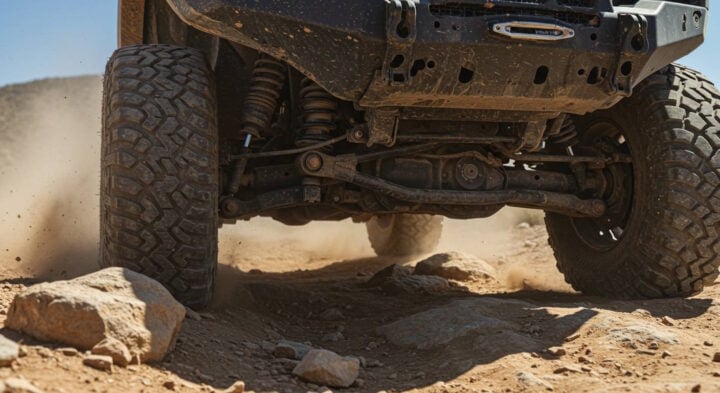
The suspension system acts as a buffer zone between vehicle occupants and the road, reducing noise and vibration transfer. More critically for off-road driving, it minimises the time wheels spend out of contact with the ground when traversing corrugations and bumps so that traction is maintained in challenging conditions.
When driving over undulating terrain, the suspension system provides axle articulation, ensuring optimal tyre contact with the ground within the limitations of the suspension travel capacity. This adaptability directly influences how effectively the vehicle can carry loads across uneven surfaces.
You can learn the correct techniques for off-road driving to take advantage of the suspension your vehicle has.
Common Suspension Designs
Three main types of suspension designs are commonly found in modern 4WD vehicles, each with distinct advantages and disadvantages that affect load-carrying capabilities.
Leaf Springs
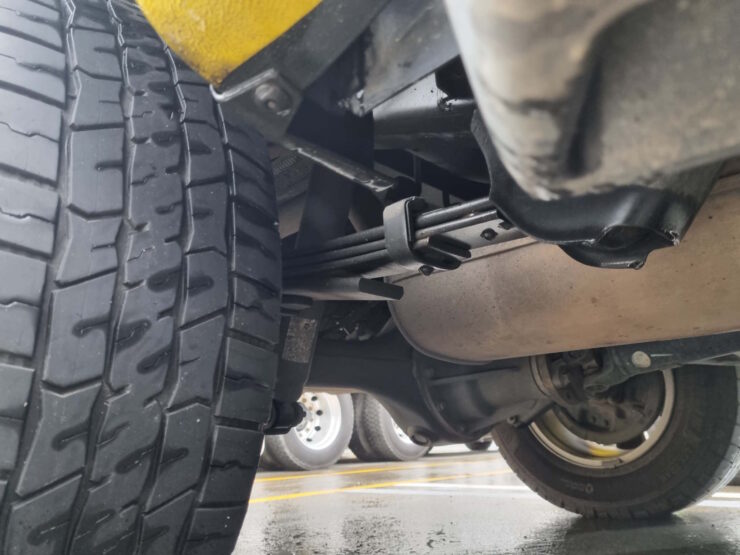
Leaf springs represent one of the oldest suspension technologies but remain prevalent in many utility vehicles. These are typically installed supporting the rear axle of utes due to their design simplicity, durability, and superior load-carrying capacity.
The basic structure of overlapping metal plates provides progressive resistance to compression, making leaf springs particularly well-suited for vehicles that regularly carry heavy payloads. Their relative simplicity also translates to lower maintenance costs and greater reliability in harsh conditions.
Coil Springs
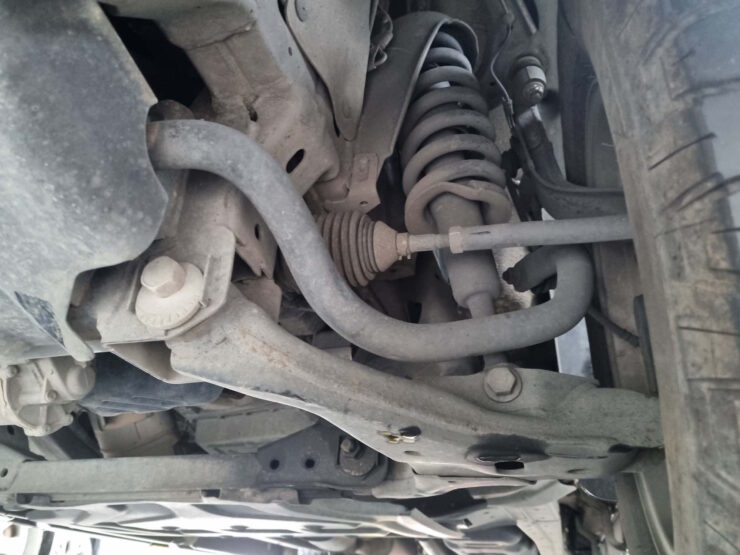
Coil springs deliver a more compliant ride and are thus more commonly utilised on the front axles of light 4WD utes and on both axles of SUVs and AWDs. While offering superior ride comfort and better articulation, coil springs are generally not regarded as high load-carrying suspension options without modification.
For vehicles primarily used for passenger transport with occasional load-carrying requirements, coil springs offer an excellent compromise between comfort and utility. However, when regularly carrying heavy loads, additional support may be necessary.
Air Suspension (Pneumatic/Airbags)
Air suspension systems, found in some high-end SUVs, use compressed air to support the vehicle’s weight. While not commonly fitted as standard in the light commercial sector in New Zealand, airbags can be retrofitted to supplement the load-carrying capability of leaf springs in utes and inside rear coils in SUVs.
The primary advantage of air suspension is its adjustability. Air pressure can be increased when carrying heavy loads and decreased when greater articulation and ride comfort are desired. This versatility makes it an excellent option for vehicles that must regularly transition between different loading conditions.
Axle Types and Their Influence on Load Capacity
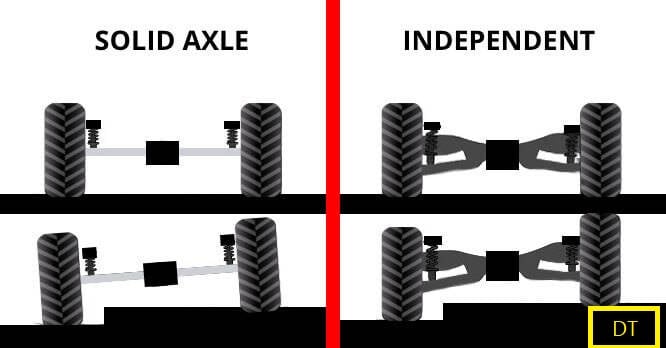
Beyond the springs themselves, axle design significantly impacts load-carrying capability. Two main types are found in 4WD vehicles.
Live (Solid/Beam) Axles
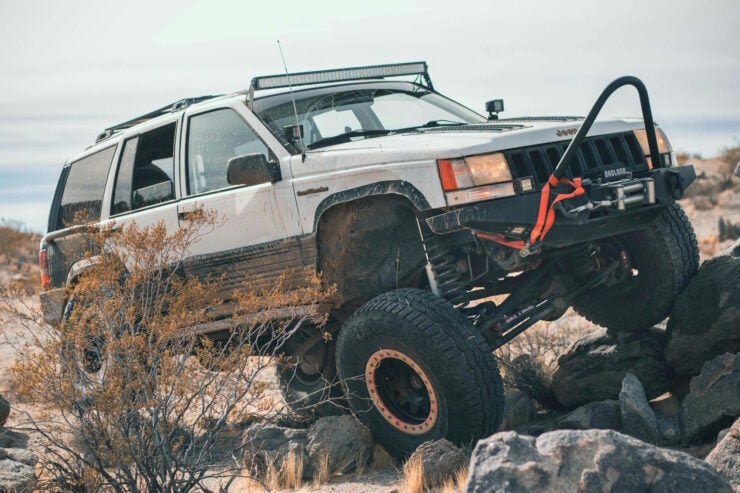
Live axles combine the differential and axles in a solid structure stretching between the left and right wheels. This design maintains consistent ground clearance regardless of suspension travel, which proves advantageous when carrying heavy loads over uneven terrain.
The primary advantages of live axles for load carrying include:
- Superior load-carrying capability due to stronger, simpler construction
- Minimised linkage requirements, reducing potential failure points
- Compatibility with various spring configurations including leaf, pneumatic, and coils
- Greater durability in extreme conditions and less susceptibility to alignment issues
These characteristics make live axles particularly well-suited for commercial applications where reliability under load is paramount.
Independent Suspension
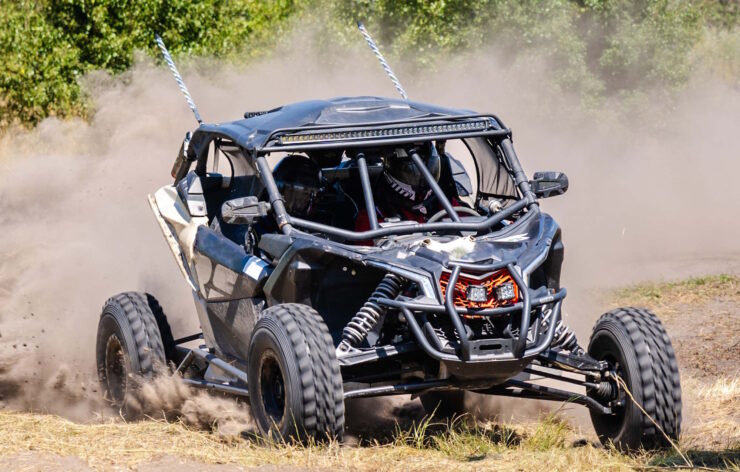
In independent suspension systems, wheels move independently of each other. While this provides better on-road handling and ride comfort, it typically offers reduced load-carrying capacity compared to live axles.
The ground clearance with independent suspension changes with suspension travel, which can result in the vehicle’s underbody making contact with the ground under heavy loads. This becomes particularly problematic in off-road situations where clearance is critical.
Independent suspension is generally preferred in vehicles where passenger comfort takes precedence over maximum load capacity, though modern designs continue to improve their load-handling capabilities.
Practical Considerations for Load Carrying
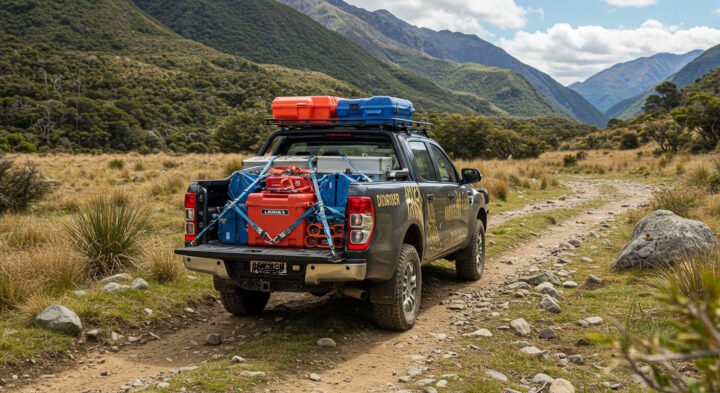
When planning to carry significant loads in a 4WD vehicle, several practical considerations should guide your approach:
Manufacturer Specifications
Always adhere to the manufacturer’s specified payload capacity. These limits are calculated based on the vehicle’s suspension design and overall structural integrity. Exceeding these limits can lead to premature component failure, handling issues, and safety concerns.
Load Distribution
Proper load distribution is crucial for maintaining vehicle stability. Position heavier items low down and as centrally as possible, considering both forward/backward and side-to-side balance. Progressive loading from heaviest items at the bottom to lightest at the top helps maintain a lower centre of gravity.
Suspension Upgrades
For vehicles regularly carrying loads near their rated capacity, consider appropriate suspension upgrades:
- Heavy-duty shock absorbers can improve control under load
- Airbag assisters can supplement existing leaf or coil springs
- Upgraded springs with higher load ratings may be appropriate for persistent heavy loads
Dynamic Effects Under Load
Be mindful that a loaded vehicle behaves differently than an unloaded one. The added mass affects acceleration, braking distance, and cornering capability. When driving a heavily loaded 4WD:
- Accelerate and decelerate more gently
- Begin braking earlier with progressive pressure
- Take corners at reduced speeds
- Maintain heightened awareness of surroundings
- Anticipate and respond early to potential hazards
- Avoid sudden speed and directional changes
Conclusion
The suspension system plays a critical role in determining a vehicle’s load-carrying capability. Understanding the strengths and limitations of different suspension designs (leaf springs, coil springs, and air suspension) helps ensure safe and efficient operation when carrying loads in a 4WD vehicle.
By selecting a vehicle with suspension appropriate to your typical carrying needs and properly managing load distribution, you can maximise both capability and longevity. Remember that while modifications can enhance load capacity, they often come with trade-offs in ride quality or off-road articulation. The key is finding the right balance for your specific requirements.


Darren has written over 3000 articles about driving and vehicles, plus almost 500 vehicle reviews and numerous driving courses. Connect with him on LinkedIn by clicking the name above