
Operating a truck loader crane involves various hazards that can be mitigated through proper PPE use. Here’s the essential protective equipment required for truck loader crane operations based on New Zealand health and safety regulations and industry best practices.
Mandatory Head Protection
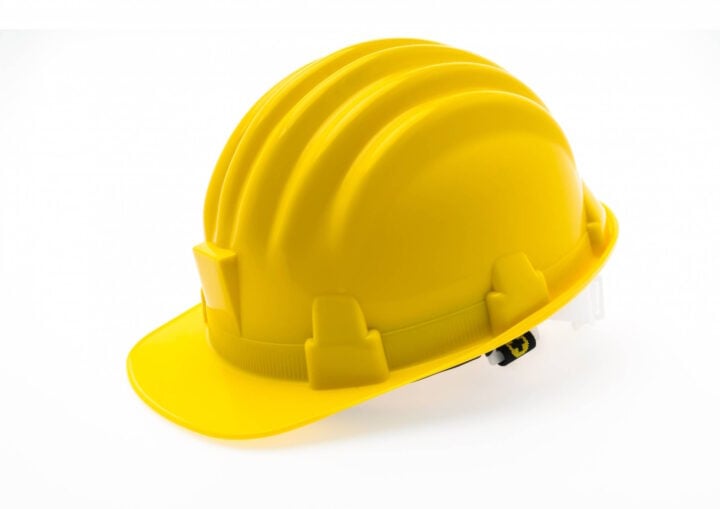
Hard hats conforming to AS/NZS 1801 or ANSI Z89.1 standards are mandatory for all personnel working with or around truck loader cranes. These provide essential protection against falling objects, which is a significant hazard during lifting operations. For personnel working at heights on the crane structure, hard hats should be fitted with chin straps to prevent them from falling off. The hard hat requirement applies to both the crane operator and ground crew unless they are inside an enclosed cab with overhead protection.
Appropriate Footwear
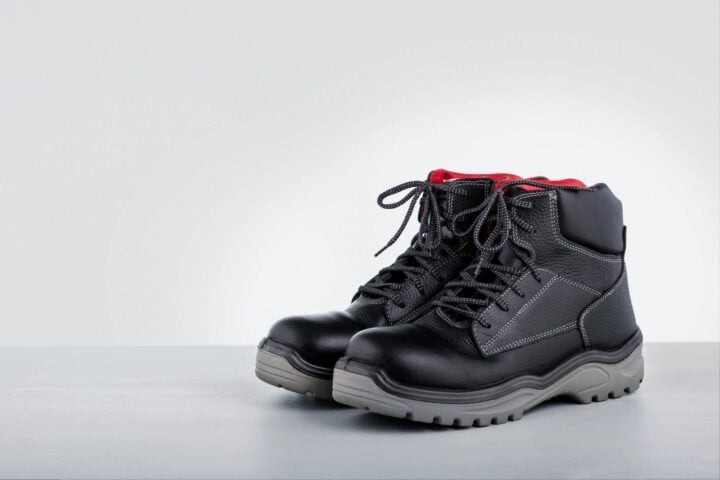
Safety footwear compliant with AS/NZS 2210 must be worn at all times when operating or working around truck loader cranes. Steel-capped boots protect against crushing injuries from dropped loads or equipment, which are among the most common injuries in crane operations. The boots should also have slip-resistant soles to prevent falls on potentially slippery surfaces around the work area, particularly in wet or oily conditions.
High-Visibility Clothing
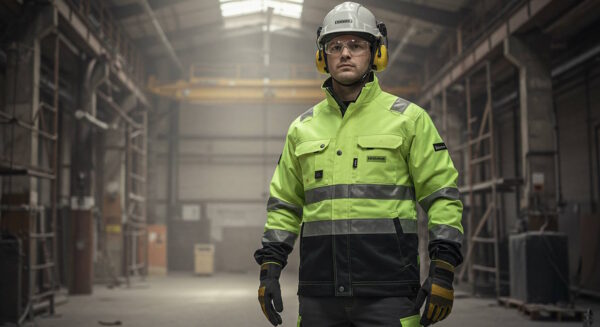
High-visibility clothing is essential for ground crew members who need to be easily identifiable to the crane operator. This clothing should comply with site safety plans or traffic management safety plans where applicable. The dogman, in particular, should wear distinctive high-visibility clothing that allows the crane operator to easily identify them from other workers, ensuring clear communication during lifting operations.
Hand Protection
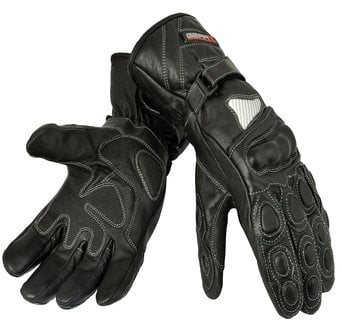
Gloves appropriate to the task are necessary for both operators and ground crew. When handling slings, chains, or wire ropes, heavy-duty gloves help prevent cuts, abrasions, and puncture wounds. For operators handling controls or performing maintenance, mechanic-style gloves offering dexterity while maintaining protection are more suitable. Gloves also provide insulation from hot surfaces in machinery areas and protection from hydraulic fluid or other chemicals.
Eye Protection
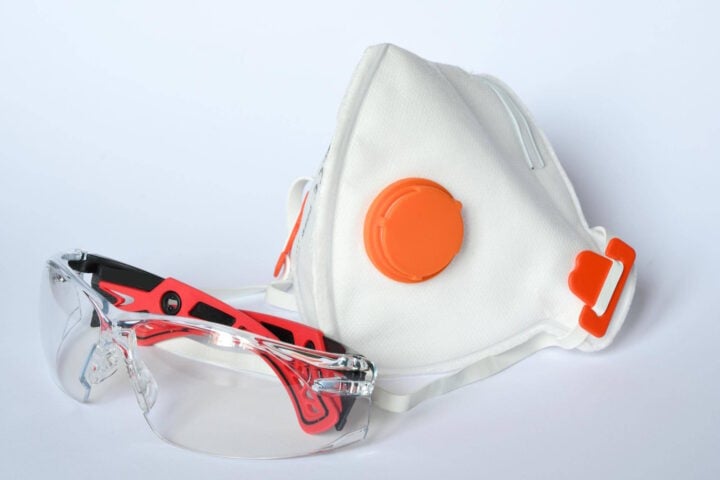
Safety glasses or goggles complying with appropriate New Zealand standards should be worn when there is a risk of eye injury from flying debris, dust, or hydraulic fluid. This is particularly important during maintenance activities or when working in windy conditions where particulates may become airborne. For operations involving intensive sunlight reflection, particularly on bright days or when working with metal components, sun-protective eyewear should be considered.
Fall Prevention Equipment
When working at heights on truck loader cranes, appropriate fall arrest equipment in accordance with AS/NZS 1891 is mandatory. This includes safety harnesses with energy absorbers and appropriate attachment points. Users must be properly trained in the use of this equipment, including rescue and recovery methods in the event of a fall. Rescue equipment and personnel trained in its use must be available on-site whenever fall arrest equipment is being used.
Hearing Protection
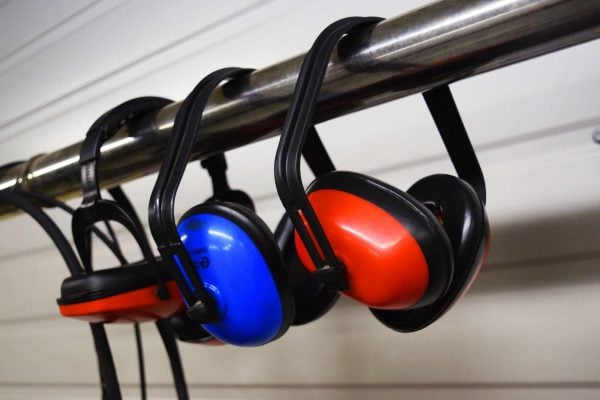
When operating truck loader cranes in noisy environments or performing activities such as gunning bolts or hammering pins, appropriate hearing protection should be worn. This may include earplugs or earmuffs, depending on the noise level and duration of exposure. Hearing protection should be readily available and its use enforced when noise levels exceed 85 dB(A).
Weather-Appropriate Clothing
Our variable weather conditions necessitate appropriate additional protective clothing. This includes waterproof gear for wet conditions, warm clothing for cold environments, and sun protection (including hats, long sleeves, and sunscreen) for work in direct sunlight. Proper clothing ensures operators remain comfortable and alert, preventing fatigue that could lead to accidents.
Communication Devices
While not traditional PPE, communication devices are essential safety equipment for crane operations. Radio headsets or similar devices should be used when the operator cannot maintain direct visual contact with the load or ground crew. These devices should be comfortable to wear for extended periods and compatible with other required PPE, such as hard hats.
What Should You Do?
The safety of truck loader crane operations depends significantly on proper PPE use by both operators and ground crew, plus appropriate truck loader crane training. Couple that with appropriate health and safety training (such as workplace first aid training), and your risk management looks better.
Regular inspection and maintenance of PPE items is just as important as their initial provision. Employers should establish clear PPE policies, provide appropriate training on correct use, and ensure compliance through regular monitoring. By adhering to these PPE requirements, the risks associated with truck loader crane operations can be substantially reduced, creating a safer work environment for all involved personnel.


Darren has written over 3000 articles about driving and vehicles, plus almost 500 vehicle reviews and numerous driving courses. Connect with him on LinkedIn by clicking the name above