
Ascending steep farm tracks in a light 4WD vehicle requires specific skills and techniques to ensure both safety and success. New Zealand’s farming landscape features numerous challenging inclines that can test even experienced drivers. From experience, you don’t want to be stranded and slipping sideways towards a fence that has a significant drop-off on the other side! (In that case, I let a lot of pressure out of the tyres to get out of the situation).
So, when approaching a steep ascent on a farm track, proper preparation and execution are essential to prevent vehicle damage and maintain control throughout the climb.
Pre-Ascent Assessment
Before attempting to climb any steep farm track, exit your vehicle and walk the track to identify potential hazards such as deep ruts, loose surfaces, protruding rocks, or other obstacles that could affect your ascent. In the example I mentioned before, it was a familiar track, but there had been light rain, there were lots of pine needles, and the surface was compacted clay, so grip was dramatically reduced.
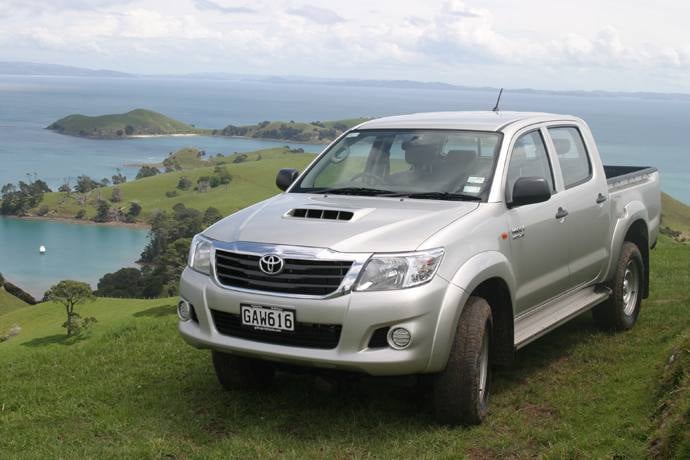
Pay close attention to the track surface and note areas where traction might be compromised. This reconnaissance will help you plan the optimal driving line and prepare mentally for the challenge ahead.
Vehicle Preparation
Proper vehicle setup is crucial for successful ascents. Engage your vehicle’s 4WD system and select low range before beginning the climb. Low range provides the torque multiplication necessary for steep climbs while allowing better vehicle control at slower speeds. If your vehicle is equipped with differential locks, engage them before encountering difficult sections rather than waiting until you’re already struggling for traction.
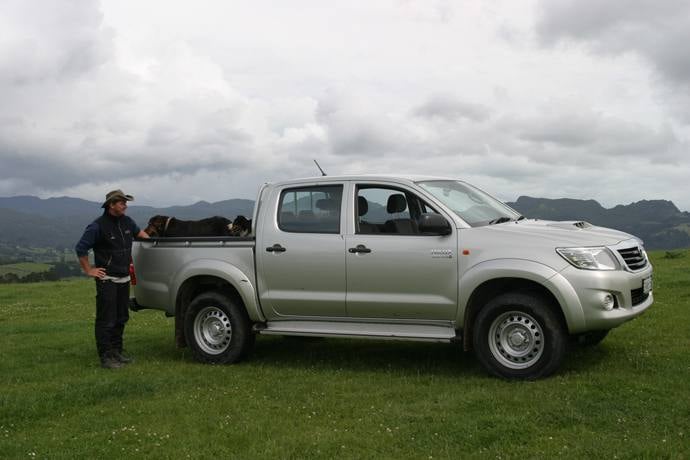
You may also want to let your dogs off if it’s going to be really bouncy.
Gear Selection
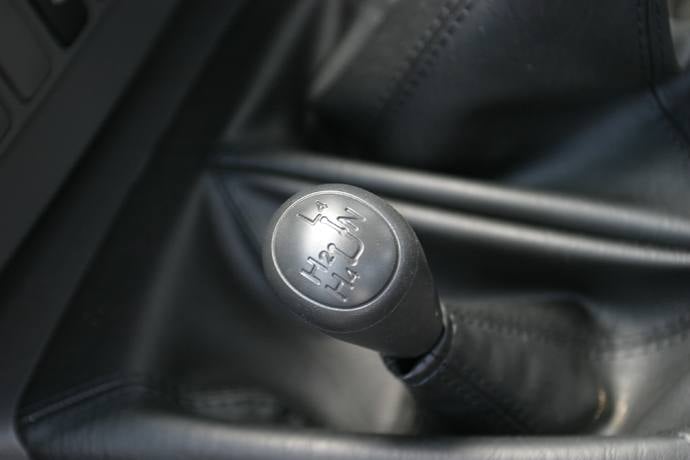
Choosing the appropriate gear is critical for successful hill climbs. For most steep farm tracks, second or third gear in low range will provide the ideal balance of torque and momentum. Starting in too low a gear can cause the engine to labour and potentially stall, while too high a gear may not provide sufficient power. The goal is to maintain steady engine revs between 1800-2200 RPM for optimal performance.
Approach and Momentum
When beginning your ascent, approach with sufficient momentum based on the track conditions, but watch out for smacking the front bumper if the gradient changes too quickly. On tracks with good traction, moderate momentum combined with steady throttle application will typically suffice. For looser surfaces, slightly more momentum may be necessary to carry you through sections with reduced traction. However, excessive speed can lead to loss of control, so balance is essential.
Throttle Control
Smooth, progressive throttle application is ideal during ascents. Apply enough throttle to maintain forward progress without causing wheel spin. If the wheels begin to spin, immediately reduce the throttle slightly to allow them to regain traction. Remember that once traction is lost, it’s much harder to regain it on an incline. Focus on maintaining a steady throttle position rather than making sudden adjustments. Most 4WDs will have traction control, but low-range might disable this.
Line Selection
Choosing the correct route up the track significantly impacts your success. Generally, aim to place your tyres on the firmest sections of the track and avoid deep ruts where possible so that you don’t beach your vehicle. On farm tracks, often the high points between wheel ruts provide better traction than following existing tracks. Be conscious of your vehicle’s ground clearance and break-over angle when making these decisions.
Managing Obstacles
When encountering obstacles such as rocks or ruts during your ascent, approach them deliberately. For larger obstacles, try to position your wheels to climb over them rather than straddling them, as this reduces the risk of high-centring your vehicle. Maintain steady throttle through obstacles to prevent losing momentum at critical points.
Failed Ascent Procedures
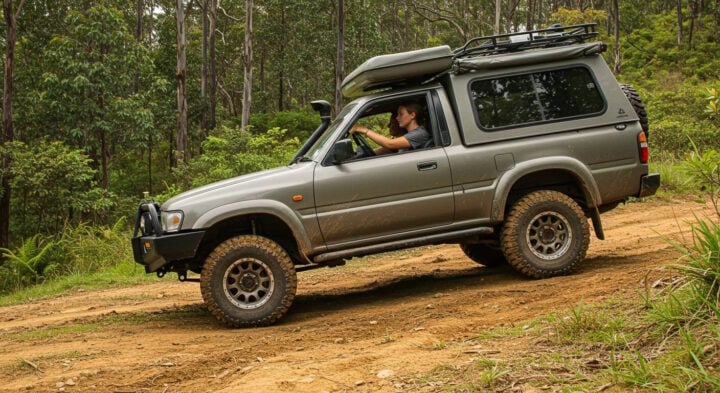
If your vehicle begins to lose traction and forward progress during an ascent, don’t panic. Quickly apply the brakes without depressing the clutch (if driving a manual). Allow the engine to stall while keeping the brakes applied firmly. This provides the safest position to reassess your options.
For vehicles with manual transmissions, once stopped securely, select reverse gear while keeping the brake applied. Release the brake gradually, allowing the engine compression to hold the vehicle. Start the engine if it has stalled, and carefully reverse down the track using engine braking to control your descent. Keep the steering wheel positioned to follow your ascent tracks.
For automatic transmissions, keep your foot on the brake while selecting reverse. Apply slight throttle while gradually releasing the brake to initiate a controlled reverse descent.
Safety Considerations
Always maintain awareness of your surroundings during steep ascents. Be particularly mindful of your vehicle’s roll angle and stability. If at any point you feel the vehicle becoming unstable or the angle excessive, abort the attempt and seek an alternative route. Remember that a failed attempt is always preferable to a rollover or vehicle damage.
Environmental Responsibility
When ascending farm tracks, be considerate of the environmental impact. Avoid creating new tracks or damaging vegetation alongside existing paths. Excessive wheel spin not only reduces your chances of a successful climb but also accelerates erosion and track deterioration. By using appropriate techniques, you can minimise your environmental footprint while successfully navigating challenging terrain.
Conclusion
Mastering the techniques for ascending steep farm tracks comes with experience and practice. Check out a complete 4WD training course. By thoroughly assessing each situation, preparing your vehicle appropriately, and employing controlled driving techniques, you can safely navigate even challenging inclines. Remember that successful off-road driving on farm tracks is about working with the terrain rather than fighting against it, using your vehicle’s capabilities intelligently rather than relying on power alone.


Darren has written over 3000 articles about driving and vehicles, plus almost 500 vehicle reviews and numerous driving courses. Connect with him on LinkedIn by clicking the name above