Elevating Work Platforms (EWPs) are essential equipment for accessing elevated work areas safely across various industries, including construction, maintenance, and arboriculture. Like any heavy machinery, EWPs present significant hazards if not operated correctly or maintained properly. One of the most critical aspects of EWP safety is conducting a thorough pre-operation inspection. You can learn how to do this in our scissor lift and boom lift course, where you can also download a checklist that consolidates what we explain below.
The Importance of Pre-Operation Inspections
These inspections help identify potential hazards or mechanical issues before they lead to accidents, injuries, or equipment failures during operation. Conducting regular pre-operation checks can also extend the lifespan of the equipment, reduce maintenance costs, and improve workplace productivity by preventing unplanned downtime.
Legal Requirements and Compliance
In New Zealand, EWP operators must comply with the Best Practice Guidelines for Mobile Elevating Work Platforms published by WorkSafe NZ. These guidelines emphasise the importance of pre-operation inspections and specify that all EWPs must have a current six-monthly inspection certificate issued by a competent person. The operator must give the EWP a visual inspection and functional test before using it, and this must be documented in the logbook that should be kept with the EWP at all times.
Types of EWPs
Understanding the type of EWP you are operating is essential, as different types have different inspection requirements. The main types of EWPs include:
- Scissor lifts (vertical movement only)
- Self-propelled boom lifts (articulated or telescopic)
- Truck-mounted platforms
- Trailer-mounted platforms
- Vertical personnel lifts (manual or self-propelled)
Each type has specific components and functions that need careful checking before operation.
Essential Pre-Operation Inspection Checklist
Documentation Checks
Begin your inspection by verifying that all necessary documentation is present and current. This includes:
The operator’s manual should be kept with the EWP in a weatherproof container. Review it to understand the specific operating procedures and safety features of the machine to reduce EWP accidents on worksites. Ensure the six-monthly inspection certificate is valid and displayed near the ground controls or platform entrance. Check that the logbook is present and up to date with maintenance records and previous pre-operation inspections.
Visual Inspection
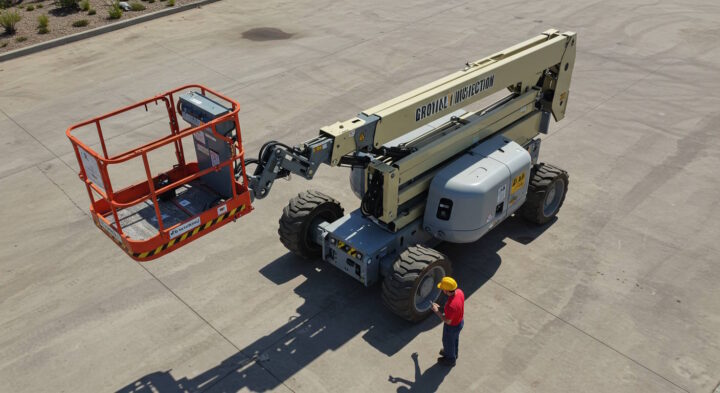
A comprehensive visual inspection should include examining the chassis, scissor or boom mechanism, and outriggers and stabiliser legs for cracks, damage, or signs of wear. Look for any loose or missing bolts, keeper plates, or pins. Inspect tyres for correct inflation, damage, and secure mounting. Check that wheels, wheel nuts, and steering linkages are intact and undamaged. Examine all hydraulic hoses, fittings, and the fuel system for leaks or damage, looking for puddles on the ground underneath the machine.
Fluid Levels and Power Systems
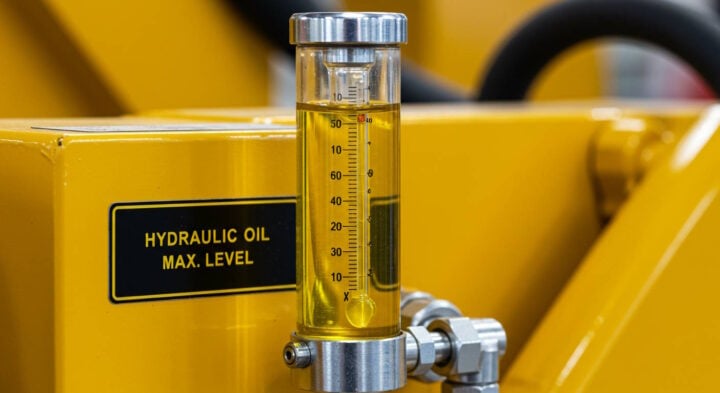
For both electric and diesel/petrol powered EWPs, check all fluid levels, including engine oil, hydraulic oil, coolant, and fuel. For electric machines, inspect the batteries for damage and ensure they are securely mounted. Check cables and wiring for damage or loose connections. Verify that battery chargers and electrical systems (if applicable) are functioning correctly and safety-certified.
Safety Features and Controls
Test all safety features to ensure they are functioning properly. Verify that all emergency stops (both on the platform and at ground level) are working correctly. Test the deadman controls to ensure they automatically return to neutral when released. Check that all warning lights, motion alarms, and horns are operational. Inspect guardrails and gates to ensure they are intact, securely attached, and that gates have a self-closing mechanism. Verify that the platform load-sense system is functioning correctly and that safe working load (SWL) decals are clearly visible.
Operational Checks
Once you’ve completed the visual inspection, conduct operational checks with the machine running.
Test all functions using the ground controls first, then the platform controls. Check that all movement functions (raise, lower, extend, retract, and slew) operate smoothly and stop when controls are released. Test brakes to ensure they engage properly with no excessive travel. Verify that the emergency lowering system and operator retrieval system work correctly. Check that outriggers (if fitted) deploy correctly and that interlocks prevent platform elevation until they are properly set.
Harness Systems and PPE
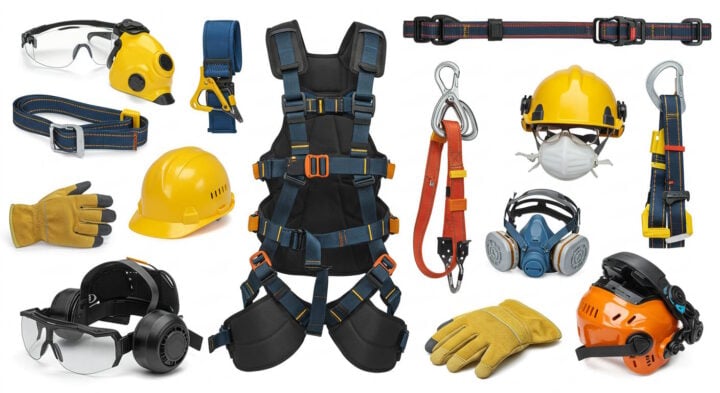
If the EWP requires the use of a harness system, inspect harnesses and lanyards for damage, wear, or defects. Check that anchor points in the platform are certified and secure. Verify that all necessary personal protective equipment (PPE) is available and in good condition.
Responding to Faults
If any issues are identified during the pre-operation inspection, tag the equipment with a “DO NOT USE” tag to warn others that the equipment is faulty. Report the issue to your supervisor immediately. Record the fault in the EWP’s logbook. Ensure the owner of the equipment is notified so repairs can be arranged. Never operate an EWP with known faults or defects.
Conclusion
A thorough pre-operation inspection is essential for the safe operation of any EWP. By systematically checking all components and functions before use, operators can significantly reduce the risk of accidents and ensure compliance with health and safety regulations.


Darren has written over 3000 articles about driving and vehicles, plus almost 500 vehicle reviews and numerous driving courses. Connect with him on LinkedIn by clicking the name above