
Refrigerated trailers enable temperature-sensitive freight to be moved by road. If you are purchasing a reefer, or if you are simply doing a pre-trip inspection, this article explains what you should be looking for to make sure the trailer is in good condition.
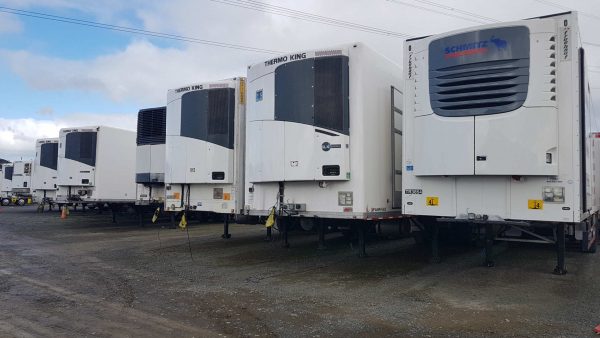
Doors
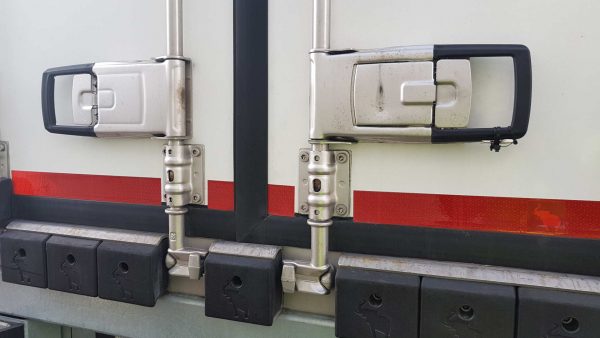
Whether it’s a truck or a trailer, check both the rear doors and the side doors (if it has them). You’re looking for a secure seal when they are closed – you shouldn’t be able to move the door once it’s latched. There should be not gaps around the door otherwise this pulls humid, warm air into the trailer from the outside and it makes the chiller unit work hard to maintain the temperature inside.
Look for damage to the hinges, latches and the door linings.
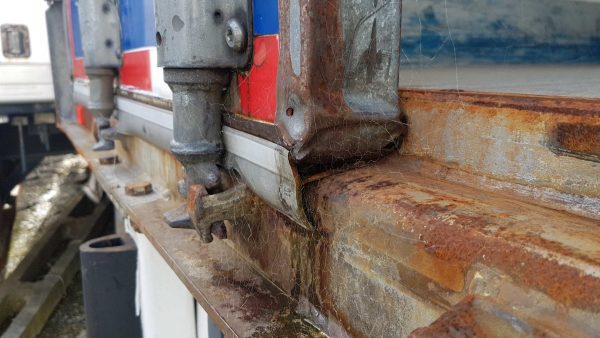
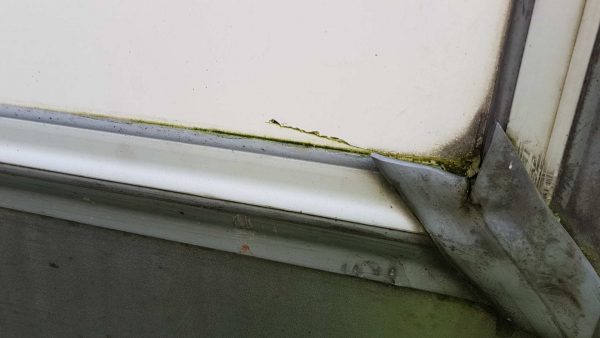
Rails
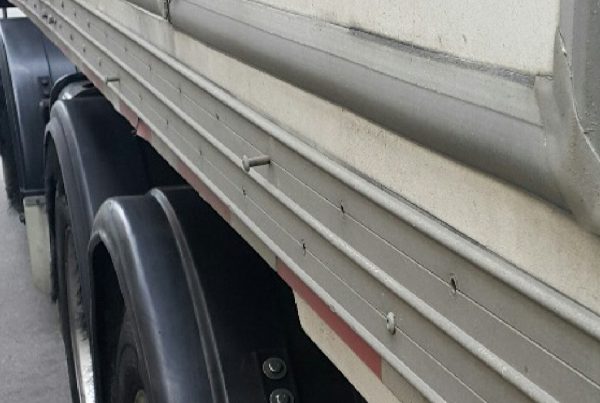
The huck rail is the aluminium plate that runs along the side of the trailer. It holds the body to the chassis.
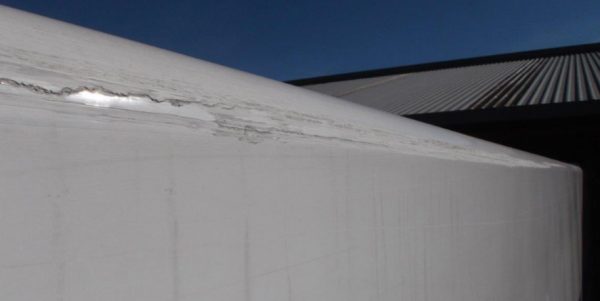
The cant rail runs along the top of the trailer. Damage here can let water in and can be expensive to repair.
Wheels
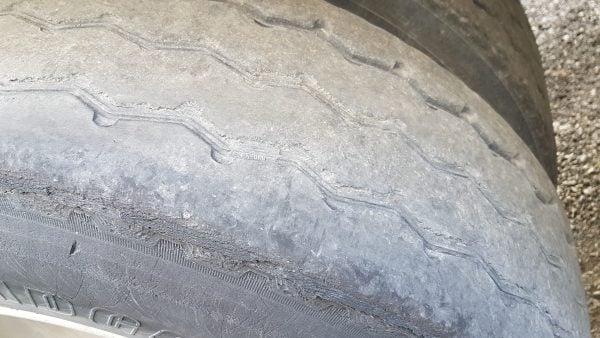
Check the tyres for inflation, cuts and bulges in the sidewall and tread depth. Check the bolts are present and tight on the wheels and that there are no cracks.
Chassis and landing legs
Look for bends and cracks in the chassis, particularly if there’s a gap above the chassis rail to the trailer as this would indicate that it’s bent. Look for missing bolts.
With the legs, look for bends in the legs and check that where the legs meet the chassis it isn’t bent – bends indicate the trailer might have been dropped on its legs and you might even see this on the floorboards inside the trailer.
Check the kingpin and skidplate. The kingpin shouldn’t be too worn and the skidplate should not be bent. A bent skidplate or bends in the chassis can mean that a driver has reversed too quickly into the kingpin, or the trailer has dropped at some point. Drivers can avoid these scenarios by coupling a trailer properly and doing a tug test.
Floorboards
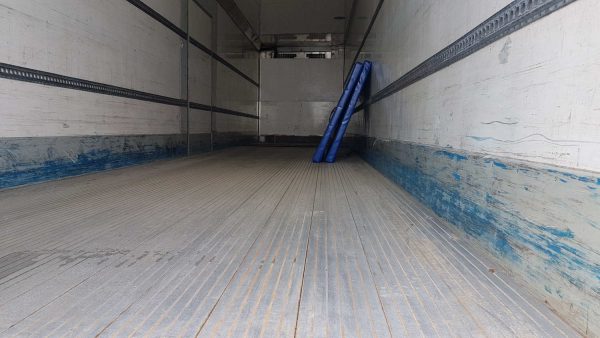
Check that they are all straight, no holes. The kickplates down the side will likely be scratched, but they should not be missing or have holes.
Internal walls and ceiling

Check that the load lock tracks are in good condition. Two sets of load lock tracks give more flexibility and security when blocking or restraining loads.
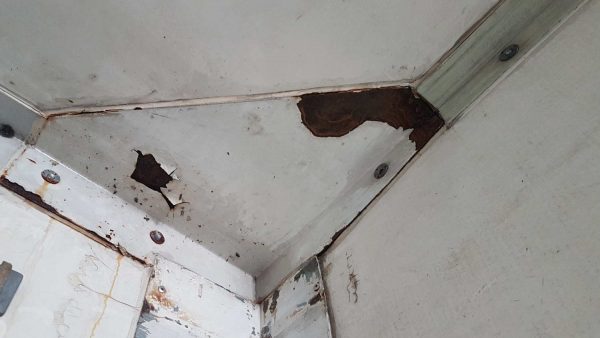
Check for dents and damage that expose the insulation material. Check for rust and flaking paint.
Chilly bungs
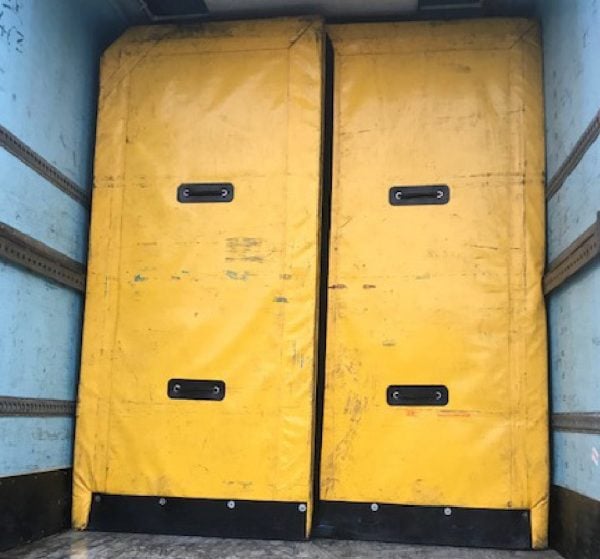
In order to control the volume of air that needs to be chilled, chilly bungs can be used. If they are included in the trailer or truck, make sure they are in good working order
Battery and control panel
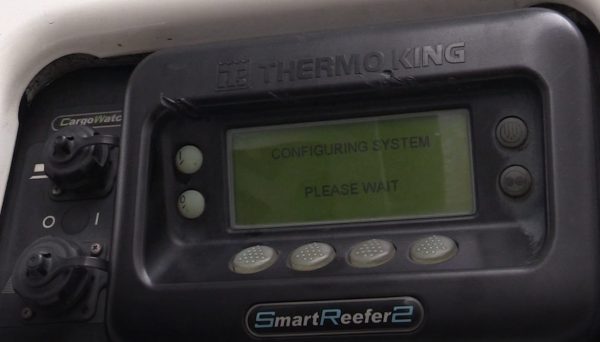
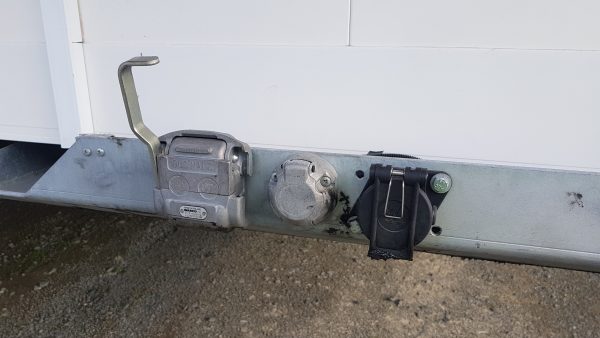
Check that the battery works. If it’s flat, jump start it and run it for 15-20 minutes. Shut it off and try again. If it still won’t start, the battery is dead and needs to be replaced. Find out more about looking after your battery in the previous article.
Temperature control
Single temperature
Check that the unit can maintain a temperature and that the thermostat is accurate. Check the manufacturer’s guidelines as to the characteristics of the temperature change within the trailer – you don’t want the chiller to have to be working for hours to bring down the trailer temperature.
Dual temperature
Some units support dual temperature zones. Check that each zone can maintain its own temperature.
Hard side vs curtainside (tautliner) trailers
Curtainside trailers will have insulated curtains rather than a hard body. These can be more convenient as they allow for loading and unloading down the entire length of the body, but bear in mind that the curtains are more difficult to operate than in regular curtainsiders because they are thicker. The curtains also need to be rated to hold the loads you intend to carry, otherwise your loads will need to be secured in other ways.
Chiller trucks
If you’re buying or renting a chiller truck, the same checks apply, but you will also need to do the mechanical checks on the truck itself. Chiller trucks often have a tail lift (a platform that folds down from the rear to help with unloading), whereas refrigerated semitrailers don’t. Tail lift training is advised.
Due to the differing nature of the cabs, check that the length of the deck is long enough. They will usually range between 7-8 metres.


Darren has written over 3000 articles about driving and vehicles, plus almost 500 vehicle reviews and numerous driving courses. Connect with him on LinkedIn by clicking the name above
 Disqus