
Working in rural areas often means navigating challenging terrain and encountering situations where your 4WD vehicle might become stuck or immobilised. Having the right recovery equipment on hand can mean the difference between a minor delay and being stranded for hours. This article outlines the essential recovery equipment that rural professionals should carry in their vehicles.
Basic Recovery Kit
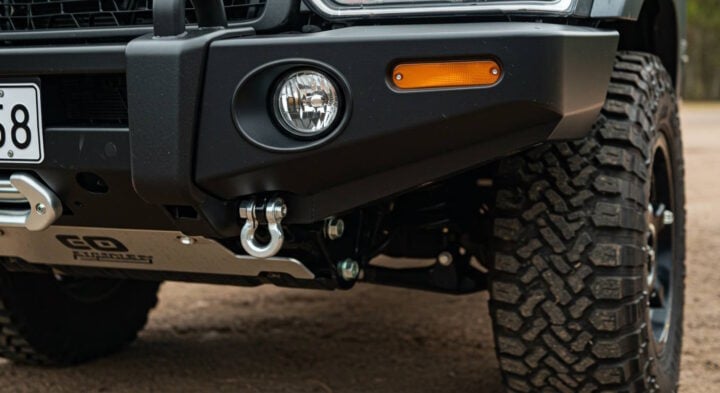
Every 4WD vehicle used in rural settings should be equipped with a basic recovery kit. This includes recovery straps, shackles, and gloves. Recovery straps (sometimes called “snatch straps”) are designed to stretch and use kinetic energy to recover a vehicle. They should be rated appropriately for your vehicle’s weight, typically with a minimum breaking strength of at least twice your vehicle’s weight.
D-shackles or bow shackles rated to at least 3.25 tonnes are essential for connecting recovery points safely. Heavy-duty leather gloves protect your hands during recovery operations and should be considered mandatory safety equipment.
Recovery Points
Proper recovery points on your vehicle are non-negotiable. Factory tie-down points are often not designed for recovery operations and can break under load, creating dangerous projectiles. Ensure your vehicle has properly rated recovery points front and rear. If your vehicle doesn’t have suitable factory recovery points, have proper ones installed by a qualified professional. Recovery points should be attached directly to the chassis and rated appropriately for your vehicle’s weight.
High-Lift Jack
A high-lift jack is a versatile tool that can be used for more than just changing tyres. It can lift a vehicle to free bogged wheels, assist with repairs in the field, and even function as a winch in emergency situations. The high-lift jack requires proper jacking points on your vehicle, and users must be trained in its safe operation, as improper use can be extremely dangerous. Dig out a space underneath the jacking point to fit the jack. Always use a base plate when operating on soft ground to prevent the jack from sinking.
Winch and Accessories
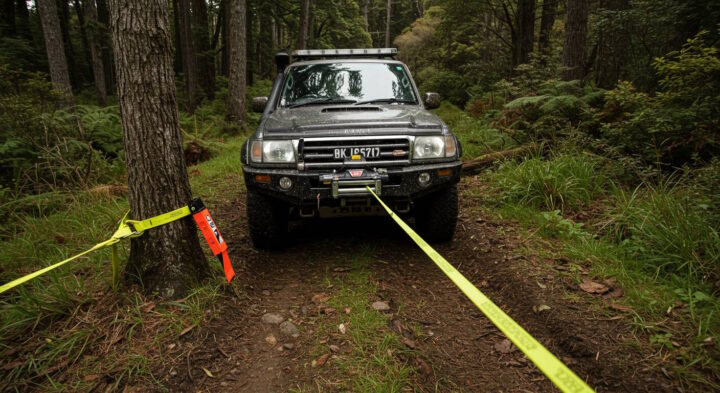
For rural professionals who regularly work in isolated or difficult terrain, a vehicle-mounted winch is a worthwhile investment. Modern electric winches are reliable and powerful enough to extract most vehicles from difficult situations. Essential winch accessories include a tree trunk protector strap, snatch blocks for changing direction or increasing pulling power, and recovery dampeners to reduce the risk of injury from cable recoil if something breaks. Synthetic rope winch lines are becoming increasingly popular as they are lighter, easier to handle, and don’t store energy like steel cables if they break.
Traction Aids
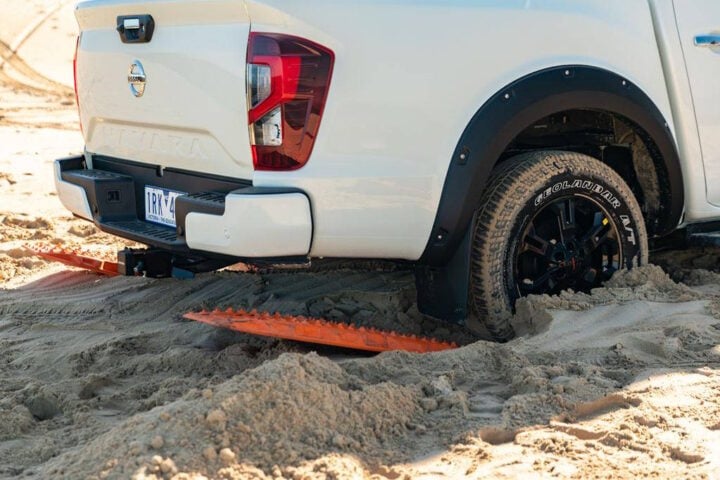
Traction aids can help you drive out of situations where wheels are spinning with no grip. Recovery tracks (sometimes called sand ladders) provide a solid surface for tyres to grip when placed under wheels stuck in mud, sand, or snow. These lightweight, durable plastic or metal tracks can be quickly deployed to help regain traction. For snowy or icy conditions, snow chains remain one of the most effective traction aids and should be carried during winter months in areas prone to snow.
Tools and Support Equipment
A comprehensive toolkit suited to your specific vehicle is essential. This should include basic spanners, sockets, screwdrivers, and pliers, as well as vehicle-specific tools for your make and model. A shovel is indispensable for clearing around stuck tyres or building up material under wheels. A good quality air compressor allows you to adjust tyre pressures for different terrain and to reinflate tyres once back on sealed roads. A tyre repair kit can be invaluable if you suffer a puncture when you are far from assistance.
Communication Equipment
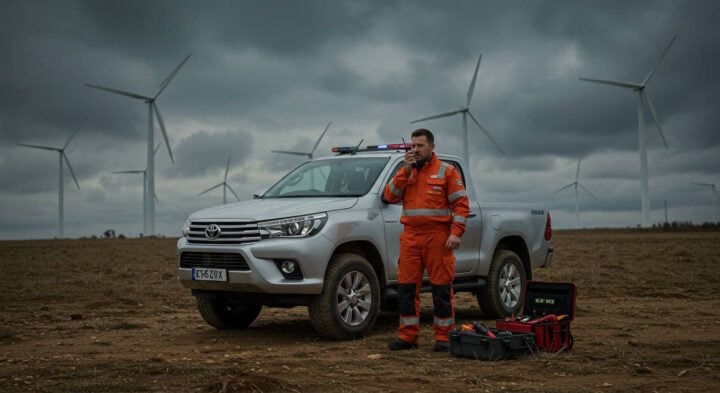
While mobile phones are useful where coverage exists, they can’t be relied upon in many rural areas. Consider carrying a UHF radio, personal locator beacon (PLB), or satellite phone depending on how remote your work takes you. Always let someone know your planned route and expected return time when working in isolated areas.
Environmental Protection Equipment
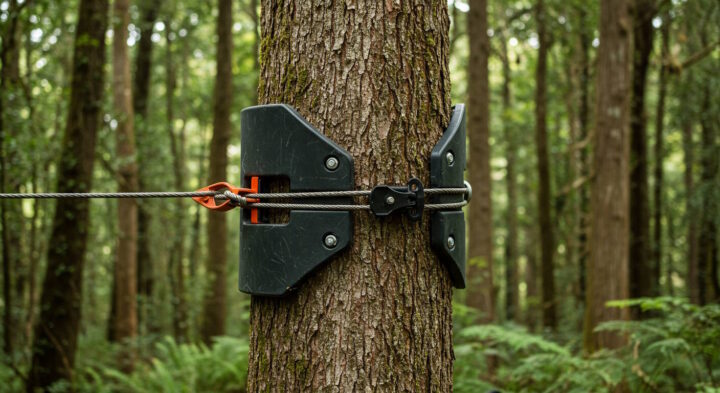
Responsible 4WD users always carry equipment to minimise their environmental impact. This includes a recovery track or mat to place under the high-lift jack or winch anchor points to prevent damage to vegetation or soil. Tree trunk protectors prevent damage to trees when used as anchor points. Always carry rubbish bags to remove all waste, including any debris from recovery operations.
First Aid and Survival Supplies
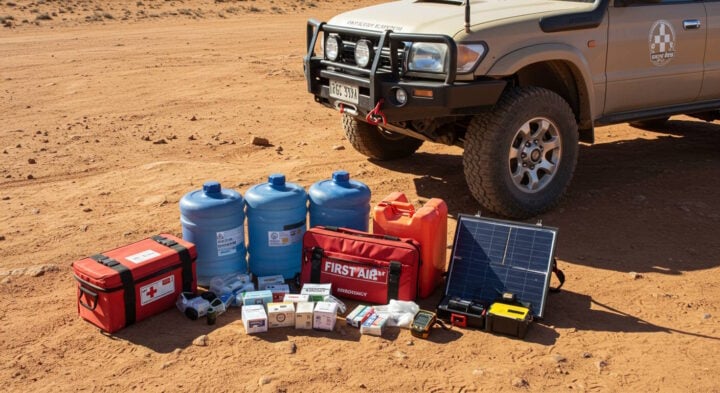
While not strictly recovery equipment, first aid kits and survival supplies are essential companions to recovery gear. A comprehensive first aid kit, basic survival equipment, and sufficient water and food should always be carried when working in rural areas. Recovery operations can sometimes lead to injury, and having appropriate first aid equipment on hand is crucial.
Training and Maintenance
Perhaps the most important aspect of recovery equipment is knowing how to use it safely and effectively. Attend an off-road training course that contains this information. Regularly inspect and maintain all recovery equipment, replacing any items showing signs of wear or damage. Damaged recovery equipment can fail catastrophically during use, potentially causing serious injury.
By ensuring you have appropriate recovery equipment and the knowledge to use it safely, rural professionals can work with confidence even in challenging conditions. Remember that the best recovery is the one you avoid through good driving technique and awareness of your vehicle’s capabilities and limitations.


Darren has written over 3000 articles about driving and vehicles, plus almost 500 vehicle reviews and numerous driving courses. Connect with him on LinkedIn by clicking the name above