
While most drivers cross bridges without a second thought, bridges present unique hazards that require extra awareness, especially in winter, during bad weather, or when driving larger vehicles.
Bridges Ice Up Faster in Winter
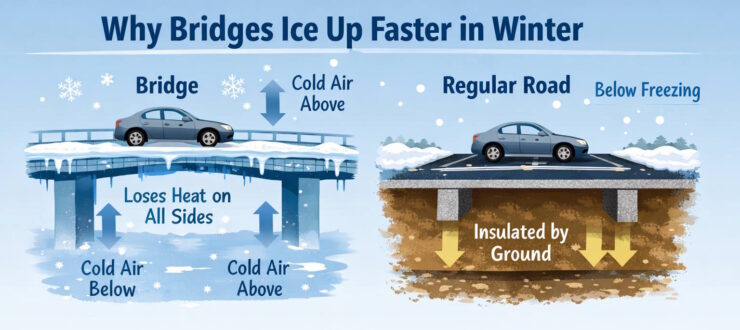
One of the most significant risks when driving over bridges is ice formation in cold conditions. Unlike normal road surfaces, bridges are exposed to cold air above and below, causing them to cool more quickly.
This means:
- Bridges can be icy even when nearby roads are not
- Ice may form overnight or early in the morning
- Shaded bridges may remain icy long after sunrise
Drivers may not realise the surface is slippery until braking or steering input causes a loss of grip. This is why warning signs such as “Bridge May Be Icy” are common throughout New Zealand.
Narrow and Single-Lane Bridges
Many bridges in New Zealand are narrower than the approach road, and some are single-lane only. These are particularly common on rural roads and older routes.
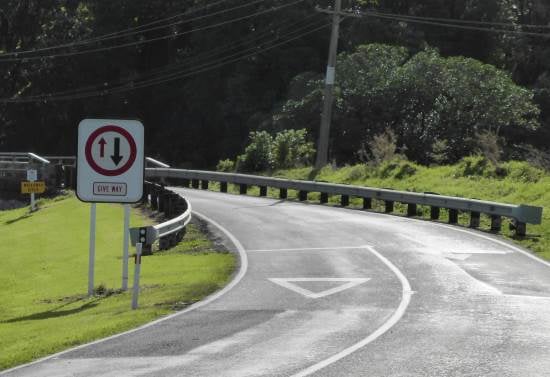
Risks associated with narrow and single-lane bridges include:
- Reduced room for error
- Misjudging vehicle width, especially in utes, vans, or trucks
- Oncoming traffic already committed to the bridge
- Pressure to proceed when it’s not safe
Drivers should always slow down, check for oncoming vehicles, and be prepared to give way where required.
Exposure to Side Winds
Bridges are often more exposed to wind than surrounding road sections. With fewer windbreaks such as trees or embankments, strong side winds can affect vehicle stability.
This risk is increased for:
- High-sided vehicles such as vans, trucks, and buses
- Vehicles towing trailers or caravans
- Light vehicles in strong crosswinds
Sudden gusts can push a vehicle sideways, particularly when exiting a sheltered area onto a bridge.
Bumps at Bridge Entrances and Exits
Many drivers notice a distinct bump when entering or leaving a bridge. These bumps are caused by expansion joints or settlement between the road and bridge structure.
If drivers are travelling too fast:
- Suspension may unload momentarily
- Steering control can be reduced
- Trailers may become unstable
This is particularly important for motorcyclists and drivers towing trailers.
Wet Surfaces and Reduced Drainage
Bridge surfaces can behave differently in wet weather. Water may not drain as effectively, and some bridges have smoother surfaces that provide less grip when wet.
This can lead to:
- Increased braking distances
- Greater risk of skidding
- Poor traction during acceleration
In heavy rain, bridges should be treated with the same caution as shaded corners or painted road markings.
Height, Weight, and Load Restrictions
Some bridges (particularly older or rural structures) have posted weight limits. These are critical for heavy vehicles and trucks.
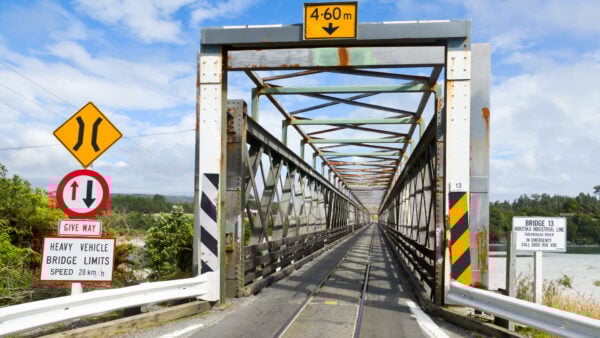
Ignoring restrictions can:
- Damage the bridge
- Lead to structural failure
- Result in fines or legal consequences
Truck drivers must always be aware of axle weights, gross vehicle mass, and any posted restrictions before crossing.
Limited Escape Options
Unlike normal road sections, bridges offer no shoulders or run-off areas. If something goes wrong, such as a breakdown, loss of traction, or sudden obstacle, drivers have very limited options to recover safely.
This makes:
- Maintaining safe speeds essential
- Following distances especially important
- Sudden manoeuvres more dangerous.
Practical Tips for Driving Over Bridges
Drivers can reduce bridge-related risks by:
- Slowing down before entering the bridge
- Avoiding sudden braking, acceleration, or steering inputs
- Being alert for ice in cold conditions
- Checking for oncoming traffic on narrow or single-lane bridges
- Allowing extra space in windy or wet weather
- Taking extra care when towing or driving heavy vehicles


Darren has written over 3000 articles about driving and vehicles, plus almost 500 vehicle reviews and numerous driving courses. Connect with him on LinkedIn by clicking the name above