
Being the victim of road rage can be a life-threatening event. It’s why we created this road rage awareness course to help drivers experiencing aggression on the road know how to de-escalate it or get away from it.
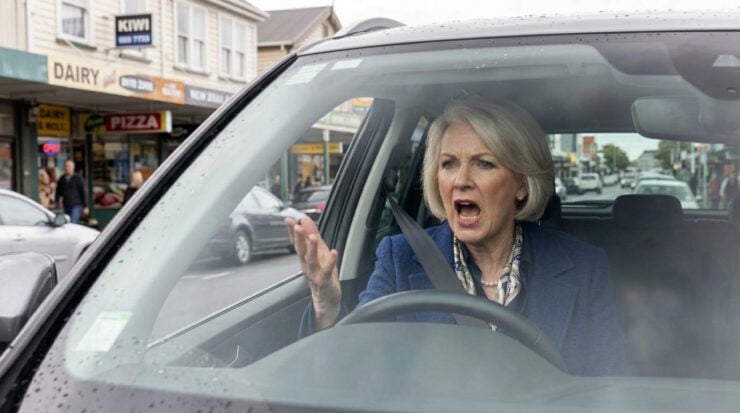
Part of reducing the risk of road rage is understanding how your driving might trigger someone, so here is a list of frustrating driver actions that put you at risk of a road rage attack if you do them inadvertently.
- Hogging the passing lane: move left if you’re not overtaking
- Speeding up in a passing lane only to slow back down again afterwards: use cruise control
- Not indicating correctly, either when turning into/out of an intersection, or when changing lanes: uncertainty kills happiness, so make sure you let people know what you’re doing
- Tailgating: intimidating driving can actually cause people to drive more slowly because they feel afraid
- Blocking an intersection: if you’re stopping other traffic from moving, you’re blocking their goal
- Resting your left foot on the brake pedal: this activates the brake lights even if you’re barely touching it, which means people behind don’t know whether you’re braking or not
- Parking so close to an intersection that people can’t see to get out
- Parking inconsiderately in a car park
- Not going when the light turns green: being distracted by your phone or something else means that someone behind you won’t get through the light before it turns red again
- Pulling out in front of someone then driving away slowly: do them the courtesy of getting up to speed quickly
- Trying to merge on the motorway more slowly than other traffic is driving (it causes everyone to brake)
- Weaving between lanes in rush hour traffic: this doesn’t usually get you much further up the road
- Talking on a hand-held phone: we’ve all agreed this is a bad idea, so now’s the time to switch to hands-free
- Intentionally not letting another driver into the lane
- Failing to give way
- Stealing someone’s parking spot: if someone’s already waiting, it’s their spot.
You might occasionally accidentally do one of these things. If so, a friendly wave or a mouthed ‘sorry’ can go a long way to de-escalate a situation. Remember that the primary goal is your survival, not to prove you’re right.

Darren has written over 3000 articles about driving and vehicles, plus almost 500 vehicle reviews and numerous driving courses. Connect with him on LinkedIn by clicking the name above