
Some pallet jacks are capable of carrying 2000kg and this weight creates a risk of injury. The majority of pallet jacks, electric or manual, require the operator to walk along with them, and many operators will be lifting goods on and off the forks. The types of injuries operators receive most commonly are:
- Amputated or fractured/broken toe, foot, leg, finger or hand
- Trapped limb between pallet and wall
- Crushing by falling goods or falling pallet jack
- Fell off pallet jack while riding on it
- Injured tripping over forks
- Injured back when lifting boxes on and off the pallet jack
In fact, you can read about 90 such cases that happened in America here (these are just ones that are reported, and don’t include manual handling injuries).
Given the number and risk, it’s easy to see the importance of first aid training for your team.
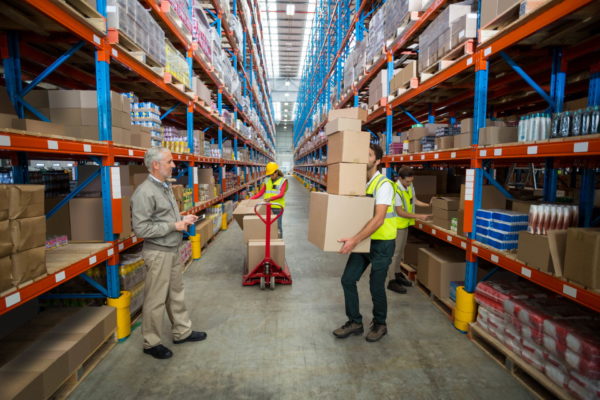
Impact with the pallet jack
With non-powered pallet jacks, complete control over the movement must be supplied by the operator. The forks are at ankle height and can create serious foot or ankle injuries, therefore appropriate footwear is important.
The operator must keep control of the pallet jack at all times and be especially cautious on ramps and slopes. The operator must never ride on the pallet jack unless it has a specific platform.
The operator can brake the pallet jack by dropping the load so the pallet makes contact with the ground. When travelling down a slope, the operator must not put themselves in the way of the pallet jack.
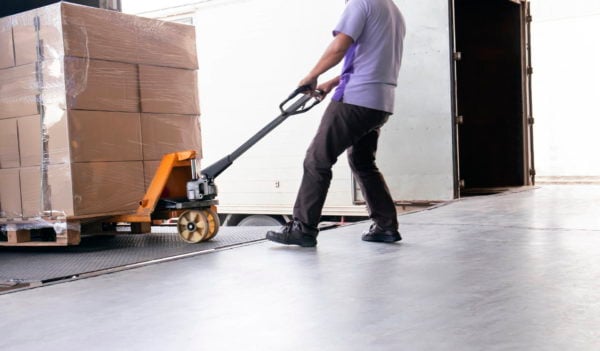
Trip and slip hazards
With manual pallet jacks, getting them moving and stopping them moving can sometimes be an effort. This creates a slip hazard whereby operators can land on their coccyx or tailbone.
To mitigate this risk, wear appropriate footwear and ensure any spills are mopped up. Take extra care if using in wet areas.
Maintain the floor by fixing potholes and cracks, and creating bridging plates or ramps for joins in surfaces or changes in elevation.
When pallet jacks aren’t in use, store them in a designated place or put the forks into a pallet so that they don’t create a trip hazard.
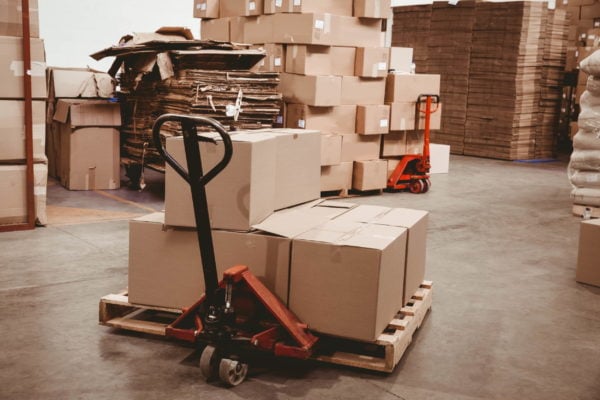
Manual handling injuries
It’s common for an operator to pick up a pallet of goods then break down that pallet when it reaches its destination by lifting individual packages from the pallet. This can lead to manual handling injuries caused by poor lifting technique, including back and shoulder strains. Manual handling training is available online.
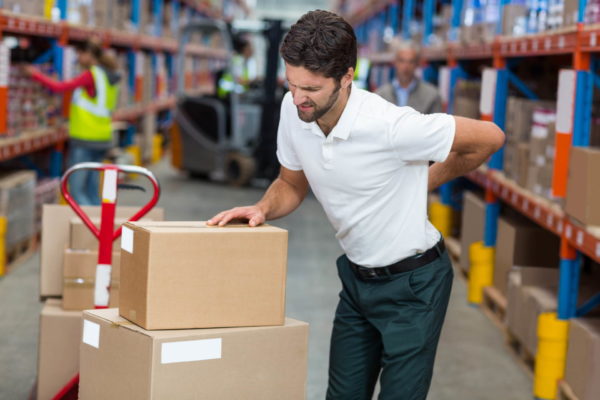
Operators can reduce the chance of injury by warming up muscles and joints before the shift, taking short brakes, stretching and keeping themselves fits and strong.
Operators should avoid loose clothing or long hair that may get caught in any mechanisms of electric pallet jacks.
Falling goods
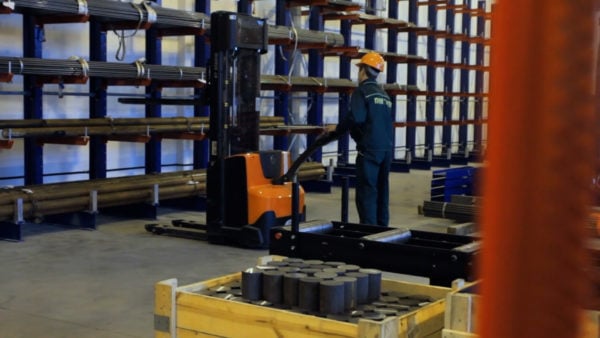
For electric pallet jack operators with a mast, operators must be careful that the pallet is securely on the forks so that goods don’t fall from height. When lifting at height, the load rating chart will explain the maximum load. Operators should never walk underneath forks that are carrying a load.
Falling pallet jack
Many operators have been seriously injured or killed when a pallet jack on a dock or the back of a truck has rolled off, pulling or pushing them with it and landing on them.
Ensure that your operators have a current electric pallet jack certificate.


Darren has written over 3000 articles about driving and vehicles, plus almost 500 vehicle reviews and numerous driving courses. Connect with him on LinkedIn by clicking the name above
 Disqus