Gantry crane operations present significant workplace hazards that require thorough risk assessment to ensure the safety of workers, equipment and materials. The Health and Safety at Work Act 2015 places obligations on businesses to manage risks by eliminating health and safety risks so far as is reasonably practicable, or if elimination is not reasonably practicable, by minimising those risks. A systematic approach to risk assessment of gantry crane operations helps meet these obligations and creates a safer work environment.
Hazard Identification
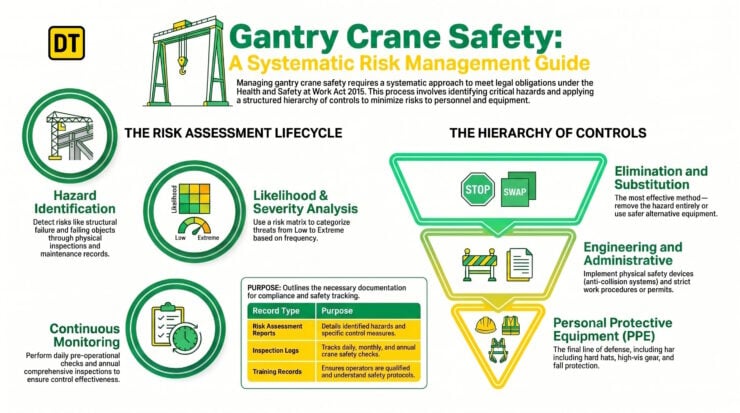
The first step in risk assessment for gantry crane operations is identifying potential hazards. Common hazards associated with gantry cranes include structural failure, tipping or overturning, falling objects, crushing or striking hazards, environmental factors, mechanical failures, and collisions with other vehicles or structures.
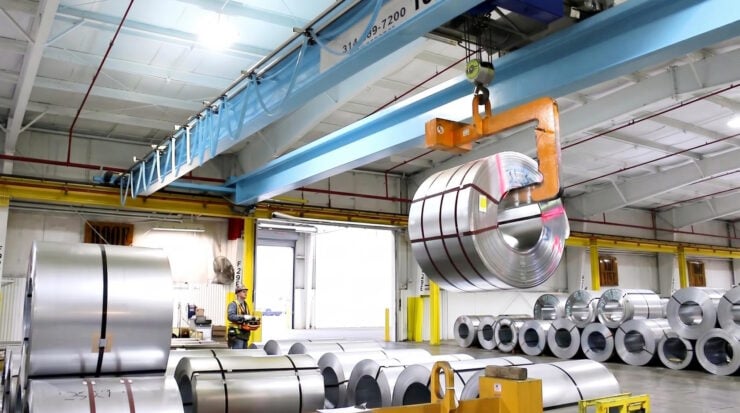
Structural failure can occur due to overloading, poor setup or existing damage to the crane. Tipping or overturning might happen because of sideways forces from wind or a swinging load. Falling objects present significant risks when loads are improperly secured or when rigging equipment fails. Crushing or striking hazards exist when loads swing or rotate unexpectedly, or when personnel are positioned in blind spots or crush zones.
Environmental hazards such as high winds, lightning and extreme temperatures can affect crane operations and operator performance. Mechanical failures like hydraulic leaks and brake malfunctions can lead to serious incidents. Additionally, the risk of other vehicles hitting a suspended load or the crane itself must be considered in busy workplaces.
Poor choice of rigging equipment, incorrectly slinging the load, and damaged rigging equipment can contribute to the load falling. You can learn how to avoid these scenarios in our slinging regular loads online course.
Thorough hazard identification should involve examining maintenance records, accident reports, near-miss incidents, and conducting physical inspections of the crane, its components, and the operating environment. Input from crane operators, maintenance personnel, and safety representatives provides valuable insights into potential hazards that might otherwise be overlooked.
Risk Analysis
Once hazards have been identified, the next step is to analyse the level of risk associated with each hazard. Risk analysis involves determining the likelihood of an incident occurring and the potential severity of the consequences.
The likelihood assessment considers factors such as frequency of exposure to the hazard, probability of failure, and effectiveness of existing controls. The severity assessment evaluates the potential consequences of an incident, ranging from minor injuries to fatalities and significant property damage.
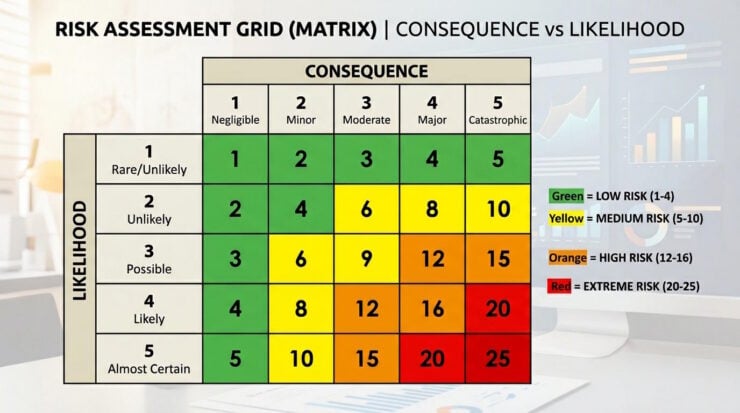
A risk matrix can be a useful tool in this process, helping to categorise risks based on their likelihood and the severity of the consequences. Risks can typically be categorised as low, medium, high, or extreme. This prioritisation helps ensure that resources are directed towards addressing the most significant risks first.
Risk Evaluation
Risk evaluation involves comparing the level of risk found during the analysis process with established risk criteria to determine whether the risk is acceptable or requires further control measures. This evaluation needs to take into account legal requirements, industry standards, and organisational policies.
For gantry crane operations in New Zealand, the Approved Code of Practice for Cranes and the Load-Lifting Rigging provide valuable guidance for evaluating risks. The codes offer specific requirements for different types of cranes, including gantry cranes, and outline the expected standards for safe operation.
Risk evaluation should also consider the hierarchy of controls, which provides a structured approach to determining the most effective control measures. The hierarchy ranges from elimination, which is the most effective control, through to personal protective equipment, which is the least effective.
Risk Treatment
After evaluating the risks, appropriate control measures need to be implemented. The hierarchy of controls provides a framework for selecting the most effective control measures:
Elimination is the optimal choice and involves removing the hazard entirely, such as using alternative lifting methods where possible.
If elimination is not practicable, substitution involves replacing the hazard with a less dangerous alternative, such as using a different type of crane that is better suited to the specific task.
Engineering controls involve implementing physical changes to reduce risk, such as installing proximity warning devices, anti-collision systems, or upgrading limit switches and safety devices.
Administrative controls change work procedures to reduce risk and may include implementing a permit-to-work system, establishing clear communication protocols, or developing comprehensive lift plans for complex operations.
Personal protective equipment should be used as a last resort or in conjunction with other controls. Appropriate PPE for gantry crane operations might include hard hats, safety footwear, high-visibility clothing, and fall protection equipment where necessary.
For each identified risk, a combination of control measures may be required to effectively reduce the risk to an acceptable level.
Implementation and Monitoring
Clear procedures and appropriate gantry crane training must accompany the implementation of control measures. Workers need to understand why controls are necessary and how to properly implement them.
Regular monitoring is essential to ensure that control measures remain effective. This includes routine inspections, maintenance checks, and testing of safety devices. The frequency of monitoring activities should be determined based on the level of risk and the specific requirements outlined in relevant codes of practice and manufacturers’ instructions.
For gantry cranes in New Zealand, the Approved Code of Practice for Cranes recommends daily pre-operational checks, frequent inspections (weekly or monthly), annual comprehensive inspections, and special inspections after significant events such as overloads or impacts.
Documentation of all monitoring activities is crucial for demonstrating compliance with legal requirements and for identifying trends or recurring issues that may require additional controls.
Review and Improvement
Risk assessment is not a one-time activity but an ongoing process. Regular reviews should be conducted to ensure that risk assessments remain current and effective. Reviews are particularly important when there are changes to work processes, equipment, or the work environment.
Incidents, near misses, and feedback from workers provide valuable information for improving risk assessments and control measures. A system for reporting and investigating incidents should be established, with findings incorporated into revised risk assessments as appropriate.
Continuous improvement involves staying informed about industry best practices, technological advancements in crane safety, and updates to relevant codes and standards. Regular safety audits, consultation with workers, and review of industry publications can help identify opportunities for enhancing safety measures.
Documentation
Comprehensive documentation is essential for effective risk management of gantry crane operations. Documentation should include:
- Risk assessment reports detailing identified hazards, risk levels, and control measures
- Inspection and maintenance records for the crane and associated equipment
- Training records for crane operators and other relevant personnel
- Incident reports and investigation findings
- Records of reviews and updates to risk assessments
Documentation provides evidence of compliance with legal requirements and serves as a reference for future risk assessments. It also facilitates communication of risks and control measures to all relevant stakeholders.


Darren has written over 3000 articles about driving and vehicles, plus almost 500 vehicle reviews and numerous driving courses. Connect with him on LinkedIn by clicking the name above