There’s a category of height work equipment that sits in an awkward middle ground: too small to feel like “real” scaffolding, but absolutely capable of causing serious injuries when things go wrong. Trestles, podiums, hop-ups, and folding platforms are the workhorses of low-level access, used every day for painting, plastering, fit-out work, and dozens of other tasks. And because they’re small and familiar, they’re often treated with far less respect than they deserve.
The reality is that a fall from a trestle can break bones just as effectively as a fall from a scaffold. The height might be lower, but the injuries are real. Getting these platforms right isn’t complicated, but it does require understanding what each type is designed for and where the limits are.
What counts as a temporary work platform?
Temporary work platforms provide a place to work when you need to be at height. They’re most commonly used for work under five metres and come in two main varieties: proprietary platforms that are engineered and come with manufacturer’s instructions, and constructed platforms built on site using construction materials. We use them at TR Group while working on trucks, for example.
The proprietary options include scaffolding (the most common type), trestles, podium platforms, folding platforms, step platforms, and hop-ups. There are also constructed temporary work platforms—but building your own should only happen when no suitable proprietary option is available.
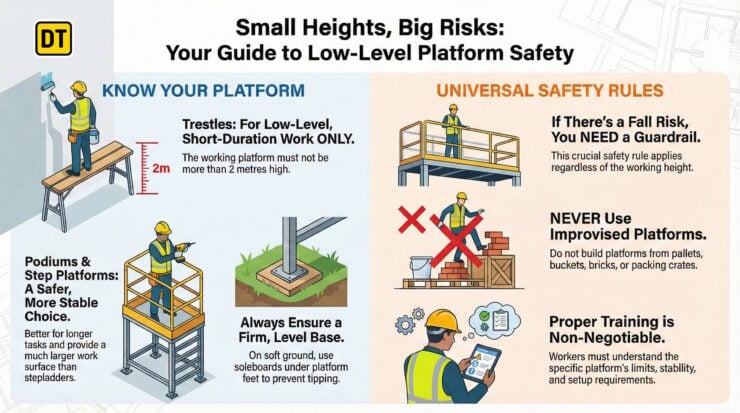
The key rule that applies across all of them is straightforward: all platforms must have a guardrail in place where there’s a risk of a fall that could cause harm. That’s regardless of height.
Trestles: low-level only
Trestle scaffolds are metal stands on which a working platform is laid, usually scaffold boards or staging. They come in folding or telescopic varieties and are a common sight on sites where workers need quick access for painting, plastering, or general finishing work.
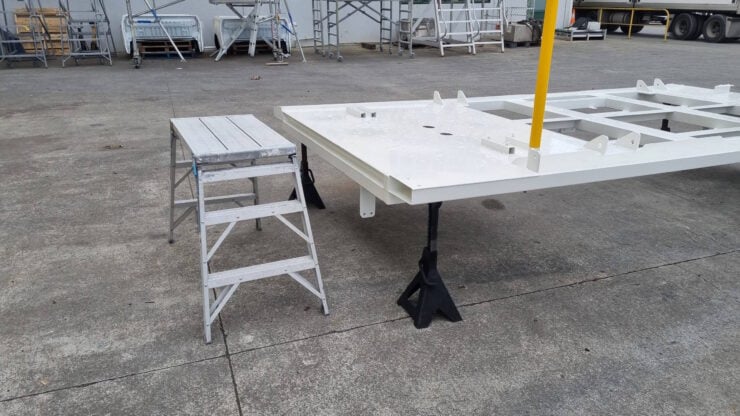
But trestles have significant limitations. They’re only suitable for low-level work because it’s difficult to incorporate a proper guardrail system. The working platform must not be more than two metres above the supporting surface, and trestles must not be erected where a person or object could fall more than two metres—so don’t set them up near the edge of an open floor.
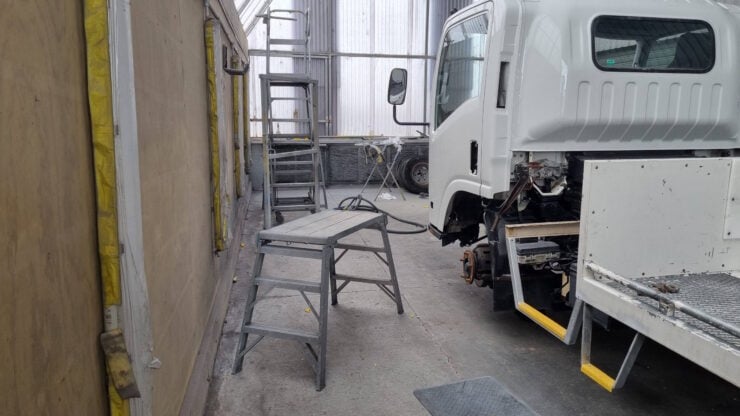
Guardrail systems are available for trestles, and you should use them wherever possible. A trestle without a guardrail should only be used when your hazard assessment shows that the likelihood of someone falling and injuring themselves is low, the work is short duration, and you’ve demonstrated that other controls offering better protection aren’t practicable.
Short duration, in this context, means work completed in minutes rather than hours—things like quick inspections or replacing a few tiles. Trestles are also appropriate for light-duty work such as plastering, painting, and general fit-out.
One critical rule: never piggy-back trestles to create additional height. If you need to go higher, you need different equipment.
Podiums and folding platforms
Podium platforms and folding platforms offer a step up from trestles in terms of stability and protection. They come in various configurations—some with full guardrails on all sides, some with handrails only, and some with no edge protection at all. The level of protection you need depends on the work and the environment.
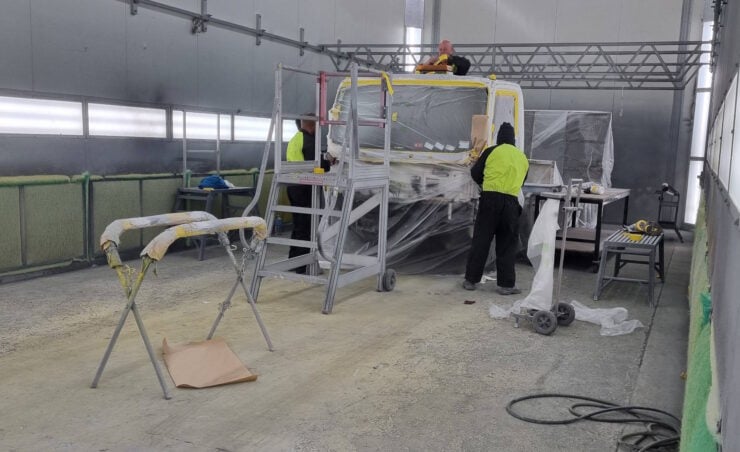
These platforms are generally intended for short-term interior work. They should be set up on firm, level ground. If you’re using them outside on soft ground, you’ll need soleboards underneath to keep the platform stable—without them, the platform can sink unevenly and become a tipping hazard.
Step platforms deserve special mention because they’re significantly safer than stepladders for many tasks. They’re more stable and provide a much larger work surface, which makes them particularly valuable where the task involves working at height for extended periods or where vision is restricted—welding is a good example. If your workers are currently balancing on stepladders for tasks that take more than a few minutes, a step platform is worth considering.
What you can’t build platforms from
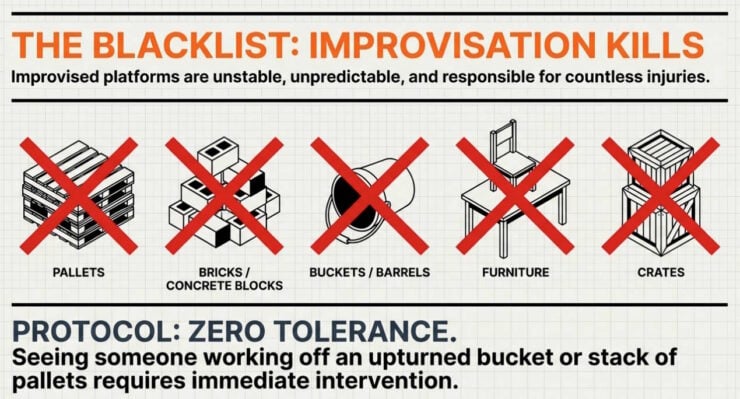
If you’re constructing a temporary work platform on site because no proprietary option is available, there’s a clear list of materials that are never acceptable. Don’t build working platforms from pallets, bricks, concrete blocks, buckets or barrels, furniture, nail boxes, or packing crates.
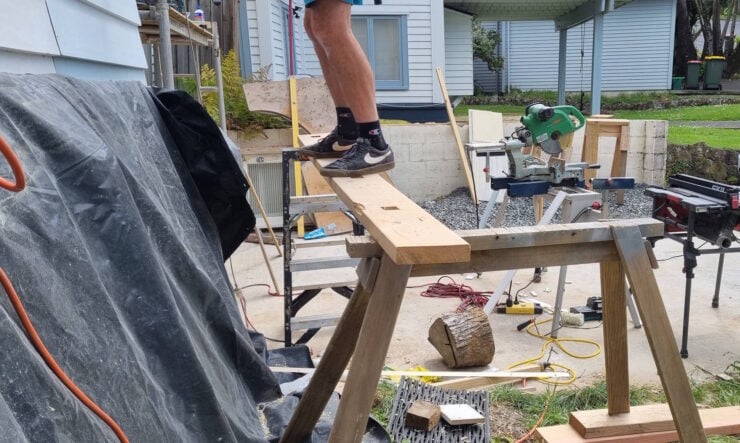
This might seem obvious, but these improvised platforms appear on sites regularly. They’re unstable, they’re unpredictable, and they’ve been responsible for countless injuries. If you catch someone working off an upturned bucket or a stack of pallets, that’s a conversation that needs to happen immediately.
Constructed platforms need to be built or supervised by competent and skilled tradespeople. They need guardrails, toe boards, and midrails in place. They need to be able to safely support workers, materials, and any plant necessary to complete the work. And the minimum width of the working platform needs to be 675mm, maintaining unobstructed access of 450mm.
Choosing the right platform
The decision about which temporary work platform to use should come from a proper hazard assessment, not from whatever happens to be lying around on site. Consider the duration of the work: trestles and platforms without guardrails are for short-duration tasks only. Consider the height: anything where a fall of more than two metres is possible needs better protection than a basic trestle can provide. Consider the environment: outdoor work on uneven ground needs different thinking than indoor work on a concrete slab.
And always apply the hierarchy of controls. The preference is for platforms that isolate workers from the fall hazard with full guardrails (preferably on all sides). Moving down the hierarchy, platforms with partial protection are acceptable for lower-risk situations. Platforms with no edge protection should be restricted to low-level use where the risk assessment supports it.
Training matters
Workers need to be trained and have suitable experience with the types of temporary work platforms they’re using. This isn’t the same as the formal certification required for scaffolding over five metres, but it’s still essential. Someone who’s never used a particular type of platform shouldn’t be learning on the job without supervision. Our working at heights course covers the different types of platforms, but a person will still need an induction on specific equipment they use.
Make sure your people understand the weight limits, the stability requirements, the importance of firm, level ground, and the circumstances under which guardrails are required. These aren’t complicated pieces of equipment, but using them safely requires more than just common sense.
The bottom line
Temporary work platforms are everyday equipment on most sites, and that familiarity can breed complacency. A trestle or a hop-up might not look as serious as a full scaffold, but it’s still a piece of equipment that puts workers at height. Treat it accordingly.
Get the hazard assessment right. Use guardrails wherever possible. Don’t improvise with unsuitable materials. And remember that small platforms still need big thinking when it comes to keeping people safe.


Darren has written over 3000 articles about driving and vehicles, plus almost 500 vehicle reviews and numerous driving courses. Connect with him on LinkedIn by clicking the name above